


Home
Radical Whigs and Conspiratorial Politics in Late Stuart England
Barnes and Noble
Loading Inventory...
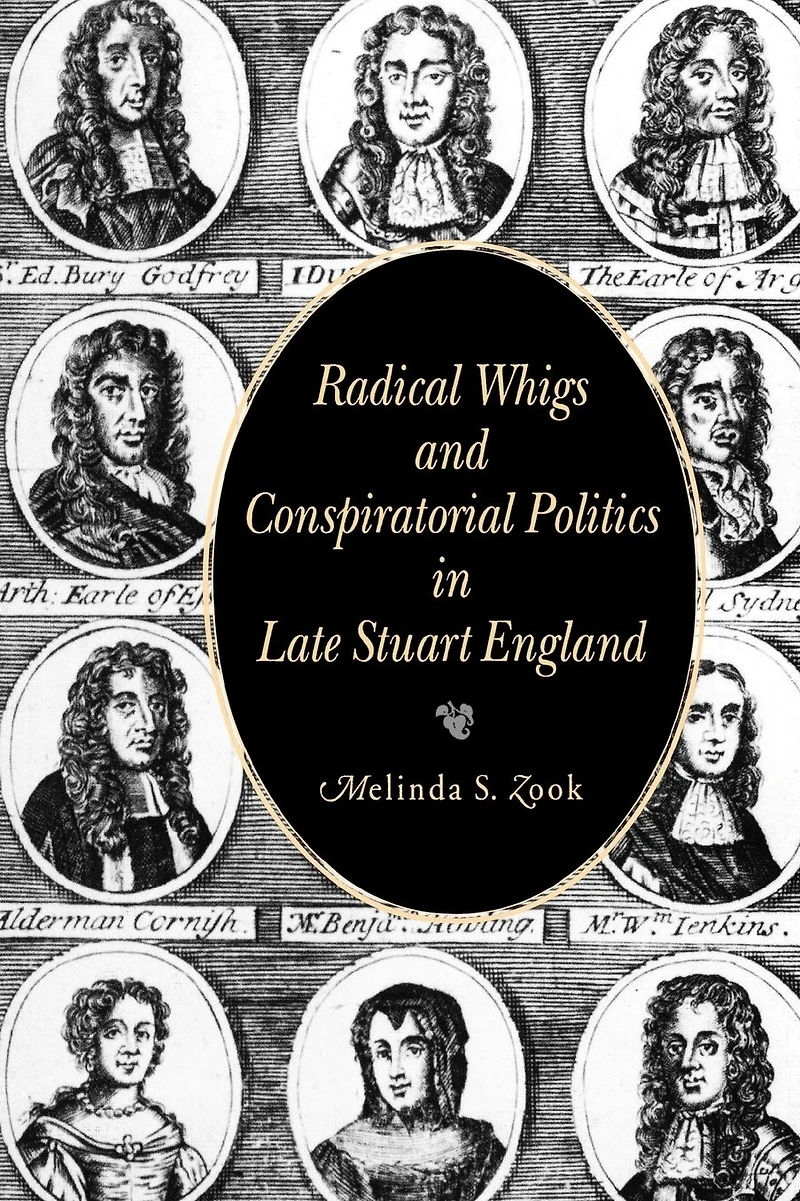
Radical Whigs and Conspiratorial Politics in Late Stuart England in Bloomington, MN
By Barnes & Noble
Current price: $17.47

Radical Whigs and Conspiratorial Politics in Late Stuart England in Bloomington, MN
Current price: $17.47
Loading Inventory...
Size: Paperback
In this book Melinda Zook examines the political culture of England during the 1670s and 1680s. She singles out an underground network of radical conspirators and propagandists who have been virtually ignored by historians. These men, and some women, were working to ensure a Protestant succession of the monarchy. In the course of their struggles with the government, their ideas became ever more radical and their tactics all the more violent. Their ideas reached an increasingly sympathetic and receptive audience, preparing the way for the Glorious Revolution of 1688. Scholars of political history have traditionally associated the creation of liberal political thought with the elite genesis of John Locke and the triumphant, bloodless, glorious Revolution of 1688. Radical Whigs and Conspiratorial Politics in Late Stuart England brings to life the true creators and disseminators of a liberal ideology based on contract and consent. Zook offers convincing biographical sketches of five popular polemicists whose ideas and actions influenced the goals of the Rye House conspirators in 1683, the Monmouth rebels in 1685, and Revolutionaries in 1688–89. She argues that liberalism was not forged in the philosopher's study in the peaceful country manor, but in noisy London taverns and coffeehouses, street corners and rented rooms, to be defended on the scaffold and battlefield.
In this book Melinda Zook examines the political culture of England during the 1670s and 1680s. She singles out an underground network of radical conspirators and propagandists who have been virtually ignored by historians. These men, and some women, were working to ensure a Protestant succession of the monarchy. In the course of their struggles with the government, their ideas became ever more radical and their tactics all the more violent. Their ideas reached an increasingly sympathetic and receptive audience, preparing the way for the Glorious Revolution of 1688. Scholars of political history have traditionally associated the creation of liberal political thought with the elite genesis of John Locke and the triumphant, bloodless, glorious Revolution of 1688. Radical Whigs and Conspiratorial Politics in Late Stuart England brings to life the true creators and disseminators of a liberal ideology based on contract and consent. Zook offers convincing biographical sketches of five popular polemicists whose ideas and actions influenced the goals of the Rye House conspirators in 1683, the Monmouth rebels in 1685, and Revolutionaries in 1688–89. She argues that liberalism was not forged in the philosopher's study in the peaceful country manor, but in noisy London taverns and coffeehouses, street corners and rented rooms, to be defended on the scaffold and battlefield.
Shop Similar Products








Find at Mall of America® in Bloomington, MN
Visit at Mall of America® in Bloomington, MN