


Home
Quest for Democracy: Liberalism the Modern Arab World
Barnes and Noble
Loading Inventory...
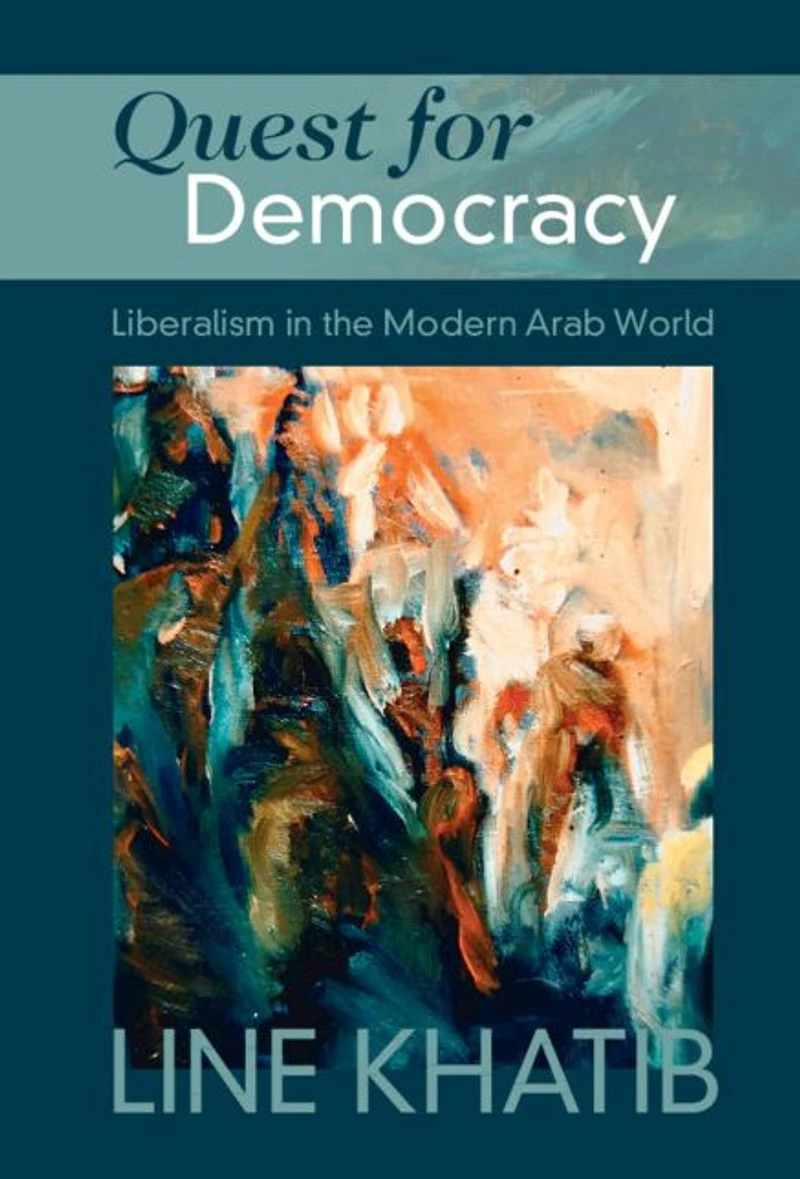

Quest for Democracy: Liberalism the Modern Arab World in Bloomington, MN
By Barnes & Noble
Current price: $39.00

Quest for Democracy: Liberalism the Modern Arab World in Bloomington, MN
Current price: $39.00
Loading Inventory...
Size: EBook
Since the uprisings of 2010 and 2011, it has often been assumed that the politics of the Arab-speaking world is dominated, and will continue to be dominated, by orthodox Islamic thought and authoritarian politics. Challenging these assumptions, Line Khatib explores the current liberal movement in the region, examining its activists and intellectuals, their work, and the strengths and weaknesses of the movement as a whole. By investigating the underground and overlooked actors and activists of liberal activism, Khatib problematizes the ways in which Arab liberalism has been dismissed as an insignificant sociopolitical force, or a mere reaction to Western formulations of liberal politics. Instead, she demonstrates how Arab liberalism is a homegrown phenomenon that has influenced the politics of the region since the nineteenth century. Shedding new light on an understudied movement, Khatib provokes a re-evaluation of the existing literature and offers new ways of conceptualizing the future of liberalism and democracy in the modern Arab world.
Since the uprisings of 2010 and 2011, it has often been assumed that the politics of the Arab-speaking world is dominated, and will continue to be dominated, by orthodox Islamic thought and authoritarian politics. Challenging these assumptions, Line Khatib explores the current liberal movement in the region, examining its activists and intellectuals, their work, and the strengths and weaknesses of the movement as a whole. By investigating the underground and overlooked actors and activists of liberal activism, Khatib problematizes the ways in which Arab liberalism has been dismissed as an insignificant sociopolitical force, or a mere reaction to Western formulations of liberal politics. Instead, she demonstrates how Arab liberalism is a homegrown phenomenon that has influenced the politics of the region since the nineteenth century. Shedding new light on an understudied movement, Khatib provokes a re-evaluation of the existing literature and offers new ways of conceptualizing the future of liberalism and democracy in the modern Arab world.
Shop Similar Products









Find at Mall of America® in Bloomington, MN
Visit at Mall of America® in Bloomington, MN