


Home
Protein Misfolding and Disease
Barnes and Noble
Loading Inventory...
Protein Misfolding and Disease in Bloomington, MN
By Barnes & Noble
Current price: $169.99

Protein Misfolding and Disease in Bloomington, MN
Current price: $169.99
Loading Inventory...
Size: Hardcover
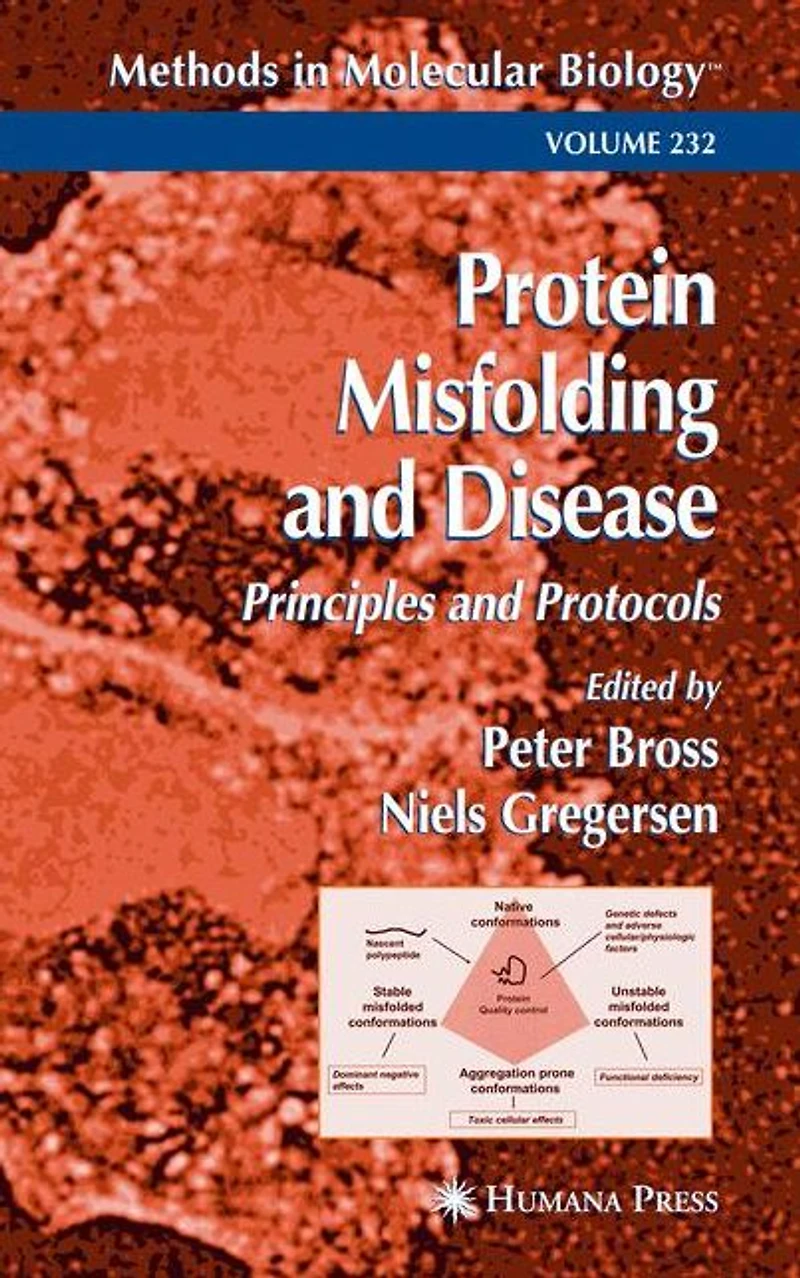
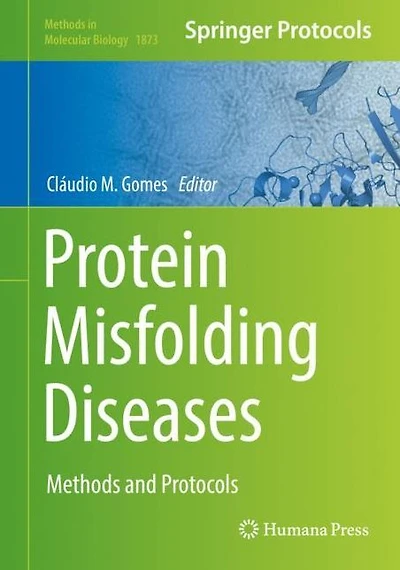
For decades it has been known that structured conformations are important for the proper functioning of most cellular proteins. However, appreciation that protein folding to the functional conformations as well as the structural maintenance of protein molecules are very complex processes has only emerged during the last ten years. The intimate interplay uncovered by this scientific development led us to realize that perturbations of the protein folding process and disturbances of conformational maintenance are major disease mechanisms. This development has given rise to the concept of conformational diseases and the broader signature of protein folding diseases, comprising diseases in which mutations or environmental stresses may result in a partial misfolding that leads then to alternative conformations capable of disturbing cellular processes. This may happen by self-association (aggregation), as in prion and Alzheimer’s diseases, or by incorporation of alternatively folded subunits into structural entities, as in collagen diseases. Another possibility is that folding to the native structure is impaired or abolished, resulting in decreased stea- state levels of the correctly folded protein, as is observed in cystic fibrosis and 1-antitrypsin deficiency, as well as in many enzyme deficiencies. In addition, deficiencies of proteins that are engaged in assisting and supervising protein folding (protein quality control) may impair the folding of many other proteins, resulting in pathological phenotypes. Examples of this are the spastic paraplegia attributable to mutations in mihondrial protease/chaperone complexes.
For decades it has been known that structured conformations are important for the proper functioning of most cellular proteins. However, appreciation that protein folding to the functional conformations as well as the structural maintenance of protein molecules are very complex processes has only emerged during the last ten years. The intimate interplay uncovered by this scientific development led us to realize that perturbations of the protein folding process and disturbances of conformational maintenance are major disease mechanisms. This development has given rise to the concept of conformational diseases and the broader signature of protein folding diseases, comprising diseases in which mutations or environmental stresses may result in a partial misfolding that leads then to alternative conformations capable of disturbing cellular processes. This may happen by self-association (aggregation), as in prion and Alzheimer’s diseases, or by incorporation of alternatively folded subunits into structural entities, as in collagen diseases. Another possibility is that folding to the native structure is impaired or abolished, resulting in decreased stea- state levels of the correctly folded protein, as is observed in cystic fibrosis and 1-antitrypsin deficiency, as well as in many enzyme deficiencies. In addition, deficiencies of proteins that are engaged in assisting and supervising protein folding (protein quality control) may impair the folding of many other proteins, resulting in pathological phenotypes. Examples of this are the spastic paraplegia attributable to mutations in mihondrial protease/chaperone complexes.
Shop Similar Products












Find at Mall of America® in Bloomington, MN
Visit at Mall of America® in Bloomington, MN