


Home
Prayer as Transgression?: The Social Relations of Healthcare Settings
Barnes and Noble
Loading Inventory...
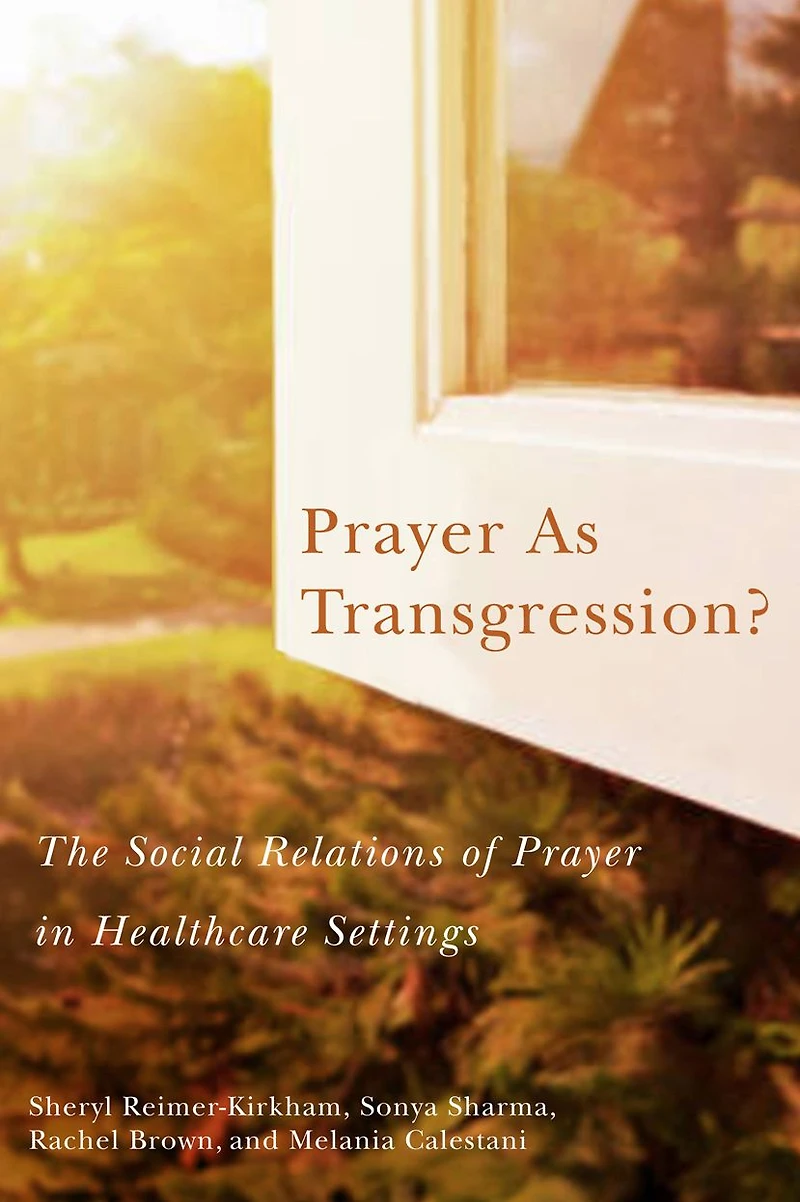
Prayer as Transgression?: The Social Relations of Healthcare Settings in Bloomington, MN
By Barnes & Noble
Current price: $40.95

Prayer as Transgression?: The Social Relations of Healthcare Settings in Bloomington, MN
Current price: $40.95
Loading Inventory...
Size: EBook
Healthcare settings are notoriously complex places where life and death co-exist, and where suffering is an everyday occurrence, giving rise to existential questions. The full range of society's diversity is reflected in patients and staff. Increasing religious and ethnic plurality, alongside decades of secularizing trends, is bringing new attention to how religion and nonreligion are expressed in public spaces. Through critical ethnographic research in Vancouver and London, Prayer as Transgression? reveals how prayer occurs in hospitals, long-term care facilities, and community-based clinics in a variety of forms and circumstances. Prayer occurs quietly on the edges of day-to-day healthcare provision and in designated sacred spaces. Some requests for prayer, however, interrupt and transgress the clinical machinery of a hospital, such as when a patient asks for prayer from the chaplain while the operating room waits. With contributions by researchers, healthcare practitioners, and chaplains, the authors consider how prayer transgresses the clinical priorities that mark healthcare, opening up ways to think differently about institutional norms and social structures. They show how prayer highlights trends of secularization and sacralization in healthcare settings. They also consider the ambivalences about prayer arising from staff and patients' varied views on religion and spirituality, and their associated ethical concerns amidst clinical and workload demands. A window onto religion in the public sphere, Prayer as Transgression? tells much about how people live well together, even in the face of personal crises and fragilities, suffering, diversity, and social change.
Healthcare settings are notoriously complex places where life and death co-exist, and where suffering is an everyday occurrence, giving rise to existential questions. The full range of society's diversity is reflected in patients and staff. Increasing religious and ethnic plurality, alongside decades of secularizing trends, is bringing new attention to how religion and nonreligion are expressed in public spaces. Through critical ethnographic research in Vancouver and London, Prayer as Transgression? reveals how prayer occurs in hospitals, long-term care facilities, and community-based clinics in a variety of forms and circumstances. Prayer occurs quietly on the edges of day-to-day healthcare provision and in designated sacred spaces. Some requests for prayer, however, interrupt and transgress the clinical machinery of a hospital, such as when a patient asks for prayer from the chaplain while the operating room waits. With contributions by researchers, healthcare practitioners, and chaplains, the authors consider how prayer transgresses the clinical priorities that mark healthcare, opening up ways to think differently about institutional norms and social structures. They show how prayer highlights trends of secularization and sacralization in healthcare settings. They also consider the ambivalences about prayer arising from staff and patients' varied views on religion and spirituality, and their associated ethical concerns amidst clinical and workload demands. A window onto religion in the public sphere, Prayer as Transgression? tells much about how people live well together, even in the face of personal crises and fragilities, suffering, diversity, and social change.
Shop Similar Products









Find at Mall of America® in Bloomington, MN
Visit at Mall of America® in Bloomington, MN