


Home
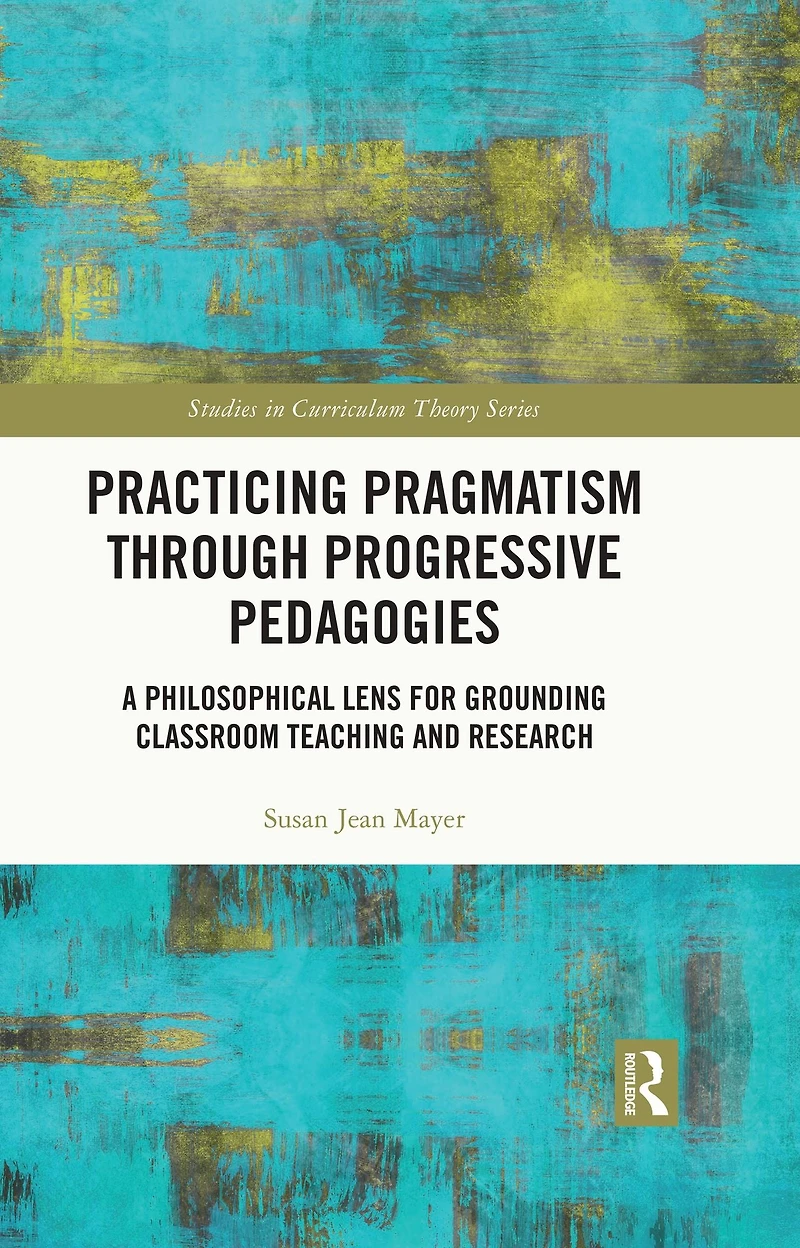
Practicing Pragmatism through Progressive Pedagogies: A Philosophical Lens for Grounding Classroom Teaching and Research
Barnes and Noble
Loading Inventory...
Practicing Pragmatism through Progressive Pedagogies: A Philosophical Lens for Grounding Classroom Teaching and Research in Bloomington, MN
By Barnes & Noble
Current price: $62.99

Practicing Pragmatism through Progressive Pedagogies: A Philosophical Lens for Grounding Classroom Teaching and Research in Bloomington, MN
Current price: $62.99
Loading Inventory...
Size: EBook
This book contributes to the contemporary revival of pragmatism as a practical and ultimately, as Mayer argues, necessary philosophical stance within democratic schools. Given that pragmatism addresses the question of how people can move forward in the absence of transcendent Truth, the author shows how pragmatism also—and not incidentally—provides grounds for pluralistic democratic societies to move forward in the absence of shared belief systems.Weaving together philosophical analysis and classroom discourse research, Mayer explores the relationships among pragmatism, progressive educational theory, and democratic knowledge construction processes and their implications for enacting progressive educational practices in schools. Several original, research-based heuristics that can serve in reliably identifying, studying, and orchestrating distinctively democratic knowledge construction processes are presented. The importance of granting all students a share of interpretive authority is also emphasized. For in learning to observe and reflect on one’s own terms, attend closely to the observations and interpretations of one’s peers, and reason collaboratively in a transparent and principled manner, young people are enculturated into essential democratic values, commitments, and practices.This book is written for a general audience and is intended for all those concerned with strengthening the democratic character of schools and societies. It is likely to appeal to scholars, researchers, and practitioners with interests in philosophy and classroom discourse and curriculum studies, as well as philosophers of education and the social sciences more broadly.
This book contributes to the contemporary revival of pragmatism as a practical and ultimately, as Mayer argues, necessary philosophical stance within democratic schools. Given that pragmatism addresses the question of how people can move forward in the absence of transcendent Truth, the author shows how pragmatism also—and not incidentally—provides grounds for pluralistic democratic societies to move forward in the absence of shared belief systems.Weaving together philosophical analysis and classroom discourse research, Mayer explores the relationships among pragmatism, progressive educational theory, and democratic knowledge construction processes and their implications for enacting progressive educational practices in schools. Several original, research-based heuristics that can serve in reliably identifying, studying, and orchestrating distinctively democratic knowledge construction processes are presented. The importance of granting all students a share of interpretive authority is also emphasized. For in learning to observe and reflect on one’s own terms, attend closely to the observations and interpretations of one’s peers, and reason collaboratively in a transparent and principled manner, young people are enculturated into essential democratic values, commitments, and practices.This book is written for a general audience and is intended for all those concerned with strengthening the democratic character of schools and societies. It is likely to appeal to scholars, researchers, and practitioners with interests in philosophy and classroom discourse and curriculum studies, as well as philosophers of education and the social sciences more broadly.
Shop Similar Products









Find at Mall of America® in Bloomington, MN
Visit at Mall of America® in Bloomington, MN