


Home
Poverty Reduction of the Disabled: Livelihood persons with disabilities Philippines
Barnes and Noble
Loading Inventory...
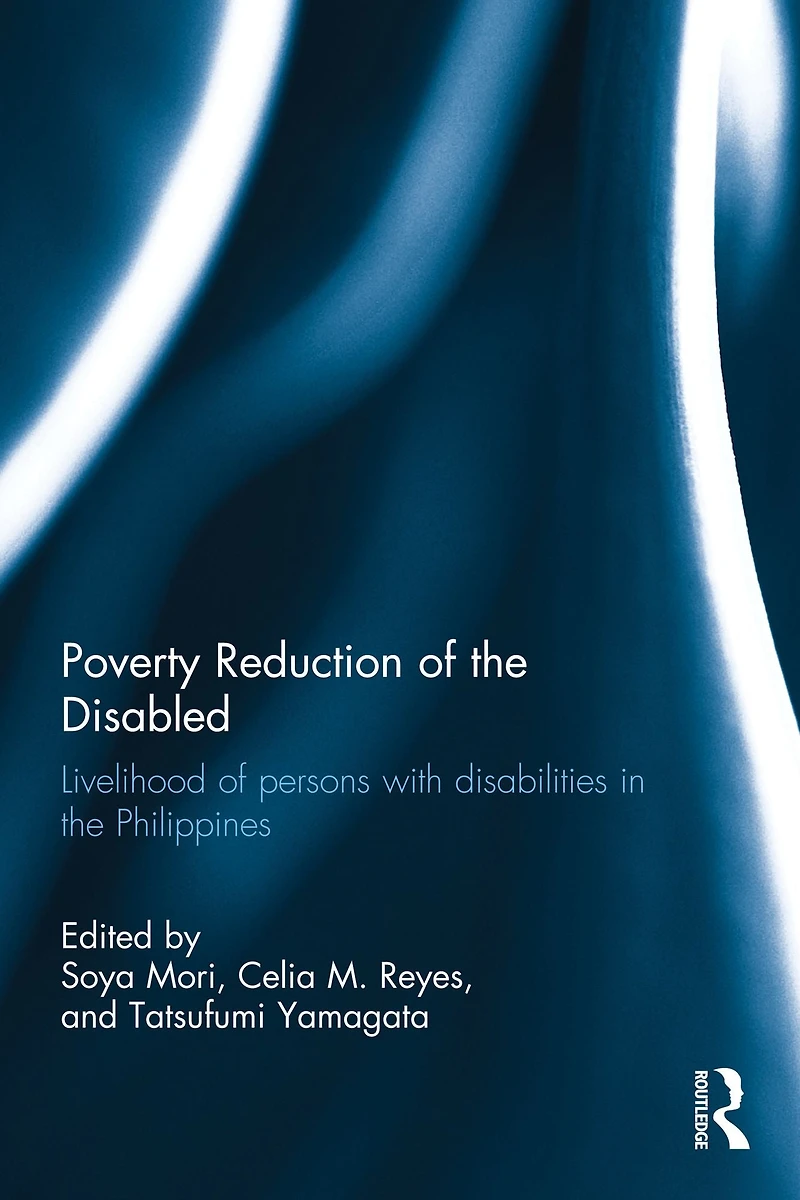
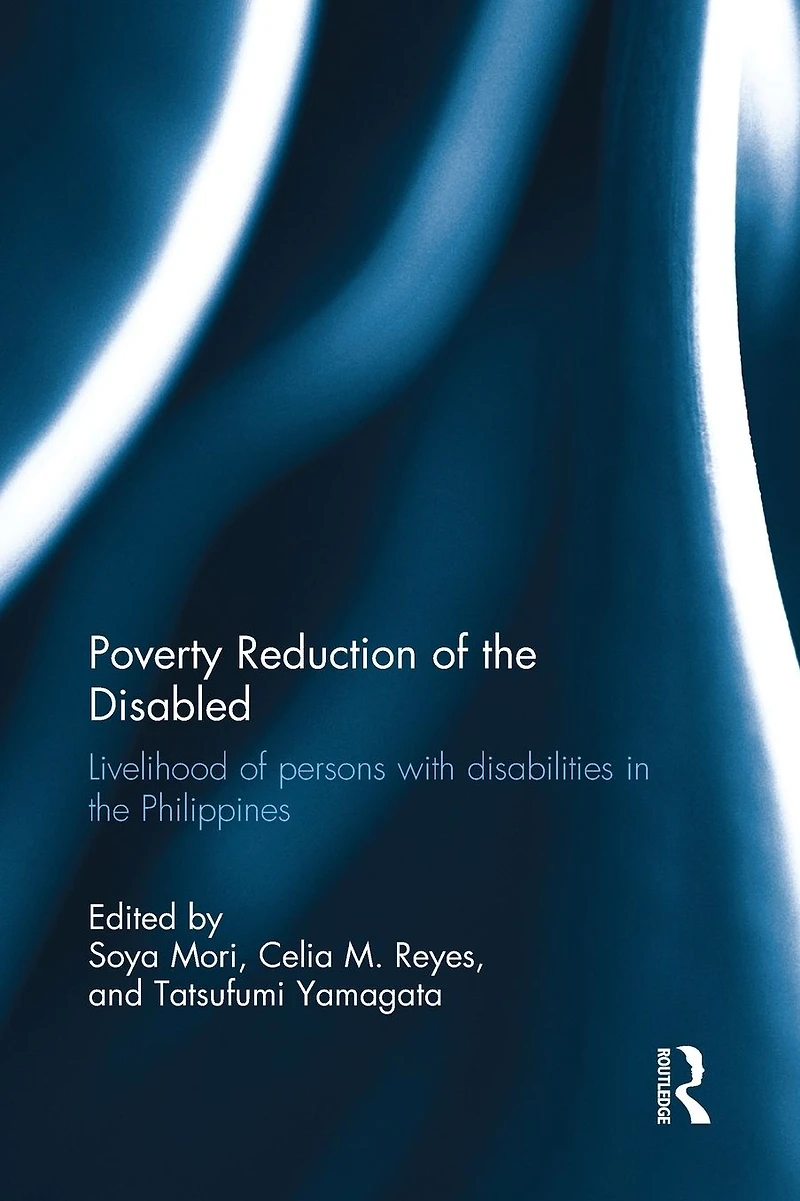
Poverty Reduction of the Disabled: Livelihood persons with disabilities Philippines in Bloomington, MN
By Barnes & Noble
Current price: $62.99

Poverty Reduction of the Disabled: Livelihood persons with disabilities Philippines in Bloomington, MN
Current price: $62.99
Loading Inventory...
Size: EBook
A third of poor people are disabled in the developing world. How much do we know about their livelihood with hard data? Are they entirely powerless and dependent on family members? How do they earn income? These questions have become more important than ever, now that persons with disabilities (PWDs) in developing countries have awakened to rights and entitlements and that the international community started considering the incorporation of disability into the context of poverty reduction. This book highlights opportunities and challenges faced by PWDs in the developing countries. This book also illustrates the analyses with a case study which was conducted in the Philippines and this case study has made a good progress in legislation for PWDs. A field survey was jointly conducted by the Institute of Developing Economies, Japan, and the Philippine Institute for Development Studies in Metro Manila, the capital city of the Philippines, in 2008. Around 400 PWDs were interviewed, and the data was investigated with econometrics. The book highlights a remarkable disparity in earnings and education among PWDs. The book also examines the positive role of organizations such as Disabled People’s Organizations and how empowerment of PWDs is made through dissemination of useful information such as programs given by the central and local governments.The book concludes that all measures, i.e. education, training, DPOs and institutional preferences, must be mobilized harmoniously to boost the livelihood of PWDs sinking in the bottom stratum in income.
A third of poor people are disabled in the developing world. How much do we know about their livelihood with hard data? Are they entirely powerless and dependent on family members? How do they earn income? These questions have become more important than ever, now that persons with disabilities (PWDs) in developing countries have awakened to rights and entitlements and that the international community started considering the incorporation of disability into the context of poverty reduction. This book highlights opportunities and challenges faced by PWDs in the developing countries. This book also illustrates the analyses with a case study which was conducted in the Philippines and this case study has made a good progress in legislation for PWDs. A field survey was jointly conducted by the Institute of Developing Economies, Japan, and the Philippine Institute for Development Studies in Metro Manila, the capital city of the Philippines, in 2008. Around 400 PWDs were interviewed, and the data was investigated with econometrics. The book highlights a remarkable disparity in earnings and education among PWDs. The book also examines the positive role of organizations such as Disabled People’s Organizations and how empowerment of PWDs is made through dissemination of useful information such as programs given by the central and local governments.The book concludes that all measures, i.e. education, training, DPOs and institutional preferences, must be mobilized harmoniously to boost the livelihood of PWDs sinking in the bottom stratum in income.
Shop Similar Products







Find at Mall of America® in Bloomington, MN
Visit at Mall of America® in Bloomington, MN