


Home
Politics of Literature
Barnes and Noble
Loading Inventory...
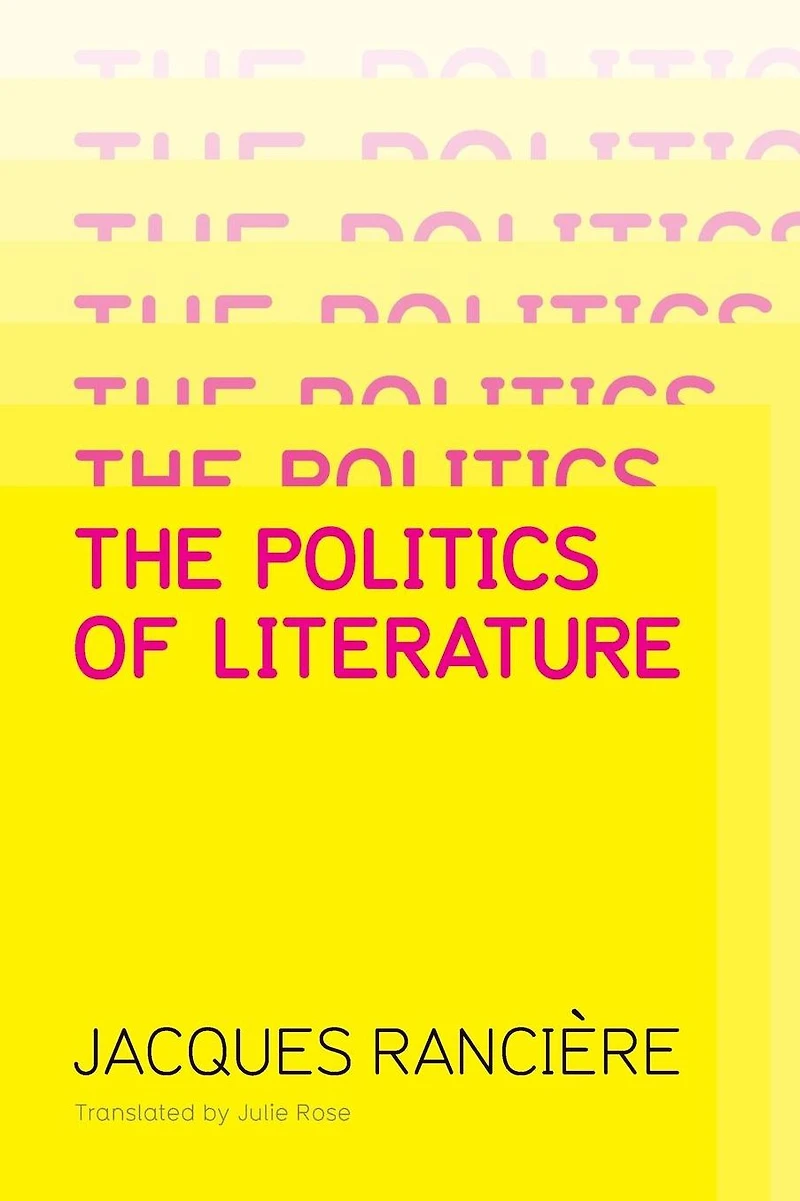
Politics of Literature in Bloomington, MN
By Barnes & Noble
Current price: $12.47

Politics of Literature in Bloomington, MN
Current price: $12.47
Loading Inventory...
Size: Paperback
The politics of literature is not the same as the politics of writers and their commitments, nor does it concern the way writers represent social structures or political struggles. The expression 'politics of literature' assumes that there is a specific connection between politics as a form of collective practice and literature as a historically determined regime of the art of writing. It implies that literature intervenes in the parceling out of space and time, place and identity, speech and noise, the visible and the invisible, that is the arena of the political. This book seeks to show how the literary revolution shatters the perceptible order that underpinned traditional hierarchies, but also why literary equality foils any bid to place literature in the service of politics or in its place. It tests its hypotheses on certain writers: Flaubert, Tolstoy, Hugo, Mallarmé, Brecht and Borges, to name a few. It also shows the consequences of this for psychoanalytical intepretation, historical narration and philosophical conceptualization.
The politics of literature is not the same as the politics of writers and their commitments, nor does it concern the way writers represent social structures or political struggles. The expression 'politics of literature' assumes that there is a specific connection between politics as a form of collective practice and literature as a historically determined regime of the art of writing. It implies that literature intervenes in the parceling out of space and time, place and identity, speech and noise, the visible and the invisible, that is the arena of the political. This book seeks to show how the literary revolution shatters the perceptible order that underpinned traditional hierarchies, but also why literary equality foils any bid to place literature in the service of politics or in its place. It tests its hypotheses on certain writers: Flaubert, Tolstoy, Hugo, Mallarmé, Brecht and Borges, to name a few. It also shows the consequences of this for psychoanalytical intepretation, historical narration and philosophical conceptualization.
Shop Similar Products











Find at Mall of America® in Bloomington, MN
Visit at Mall of America® in Bloomington, MN