


Home
Politics of Culture Iran
Barnes and Noble
Loading Inventory...

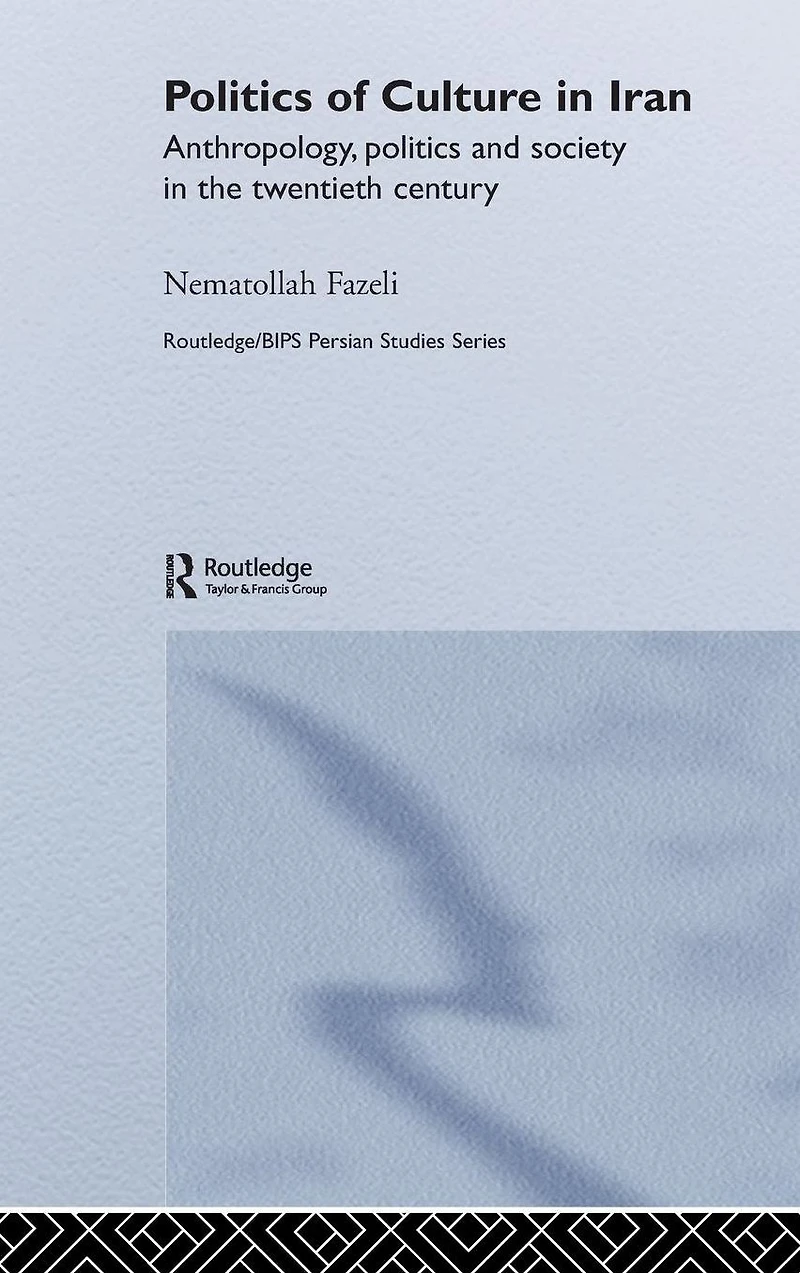
Politics of Culture Iran in Bloomington, MN
By Barnes & Noble
Current price: $68.99

Politics of Culture Iran in Bloomington, MN
Current price: $68.99
Loading Inventory...
Size: EBook
This first full-length study of the history of Iranian anthropology charts the formation and development of anthropology in Iran in the twentieth century. The text examines how and why anthropology and culture became part of wider socio-political discourses in Iran, and how they were appropriated, and rejected, by the pre- and post-revolutionary regimes. The author highlights the three main phases of Iranian anthropology, corresponding broadly to three periods in the social and political development of Iran:*the period of nationalism: lasting approximately from the constitutional revolution (1906-11) and the end of the Qajar dynasty until the end of Reza Shah’s reign (1941) *the period of Nativism: from the 1950s until the Islamic revolution (1979) *the post-revolutionary period. In addition, the book places Iranian anthropology in an international context by demonstrating how Western anthropological concepts, theories and methodologies affected epistemological and political discourses on Iranian anthropology.
This first full-length study of the history of Iranian anthropology charts the formation and development of anthropology in Iran in the twentieth century. The text examines how and why anthropology and culture became part of wider socio-political discourses in Iran, and how they were appropriated, and rejected, by the pre- and post-revolutionary regimes. The author highlights the three main phases of Iranian anthropology, corresponding broadly to three periods in the social and political development of Iran:*the period of nationalism: lasting approximately from the constitutional revolution (1906-11) and the end of the Qajar dynasty until the end of Reza Shah’s reign (1941) *the period of Nativism: from the 1950s until the Islamic revolution (1979) *the post-revolutionary period. In addition, the book places Iranian anthropology in an international context by demonstrating how Western anthropological concepts, theories and methodologies affected epistemological and political discourses on Iranian anthropology.
Shop Similar Products








Find at Mall of America® in Bloomington, MN
Visit at Mall of America® in Bloomington, MN