


Home
Plutarch's Cities
Barnes and Noble
Loading Inventory...
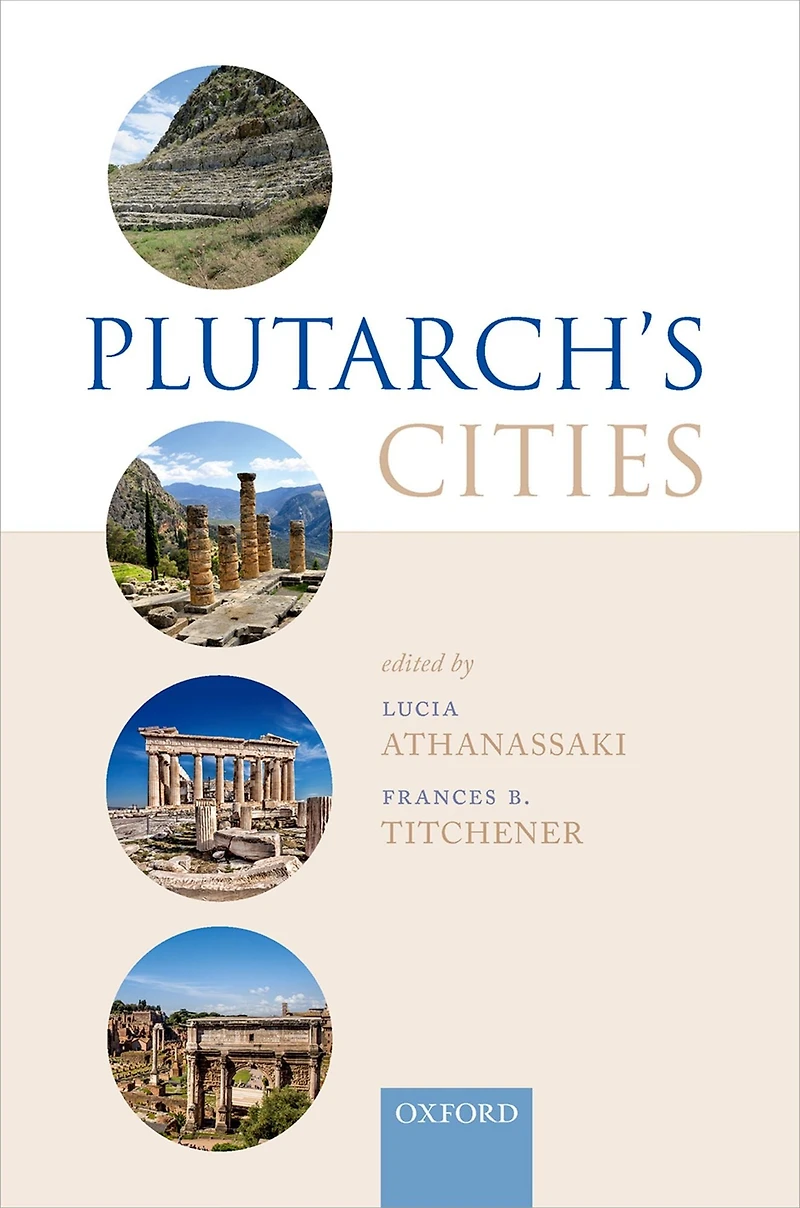
Plutarch's Cities in Bloomington, MN
By Barnes & Noble
Current price: $122.99

Plutarch's Cities in Bloomington, MN
Current price: $122.99
Loading Inventory...
Size: EBook
Plutarch's Cities is the first comprehensive attempt to assess the significance of the polis in Plutarch's works from several perspectives, namely the polis as a physical entity, a lived experience, and a source of inspiration, the polis as a historical and sociopolitical unit, the polis as a theoretical construct and paradigm to think with. The book's multifocal and multi-perspectival examination of Plutarch's cities - past and present, real and ideal-yields some remarkable corrections of his conventional image. Plutarch was neither an antiquarian nor a philosopher of the desk. He was not oblivious to his surroundings but had a keen interest in painting, sculpture, monuments, and inscriptions, about which he acquired impressive knowledge in order to help him understand and reconstruct the past. Cult and ritual proved equally fertile for Plutarch's visual imagination. Whereas historiography was the backbone of his reconstruction of the past and evaluation of the present, material culture, cult, and ritual were also sources of inspiration to enliven past and present alike. Plato's descriptions of Athenian houses and the Attic landscape were also a source of inspiration, but Plutarch clearly did his own research, based on autopsy and on oral and written sources. Plutarch, Plato's disciple and Apollo's priest, was on balance a pragmatist. He did not resist the temptation to contemplate the ideal city, but he wrote much more about real cities, as he experienced or imagined them.
Plutarch's Cities is the first comprehensive attempt to assess the significance of the polis in Plutarch's works from several perspectives, namely the polis as a physical entity, a lived experience, and a source of inspiration, the polis as a historical and sociopolitical unit, the polis as a theoretical construct and paradigm to think with. The book's multifocal and multi-perspectival examination of Plutarch's cities - past and present, real and ideal-yields some remarkable corrections of his conventional image. Plutarch was neither an antiquarian nor a philosopher of the desk. He was not oblivious to his surroundings but had a keen interest in painting, sculpture, monuments, and inscriptions, about which he acquired impressive knowledge in order to help him understand and reconstruct the past. Cult and ritual proved equally fertile for Plutarch's visual imagination. Whereas historiography was the backbone of his reconstruction of the past and evaluation of the present, material culture, cult, and ritual were also sources of inspiration to enliven past and present alike. Plato's descriptions of Athenian houses and the Attic landscape were also a source of inspiration, but Plutarch clearly did his own research, based on autopsy and on oral and written sources. Plutarch, Plato's disciple and Apollo's priest, was on balance a pragmatist. He did not resist the temptation to contemplate the ideal city, but he wrote much more about real cities, as he experienced or imagined them.
Shop Similar Products












Find at Mall of America® in Bloomington, MN
Visit at Mall of America® in Bloomington, MN