


Home
Playing House the American West: Western Women's Life Narratives, 1839-1987
Barnes and Noble
Loading Inventory...
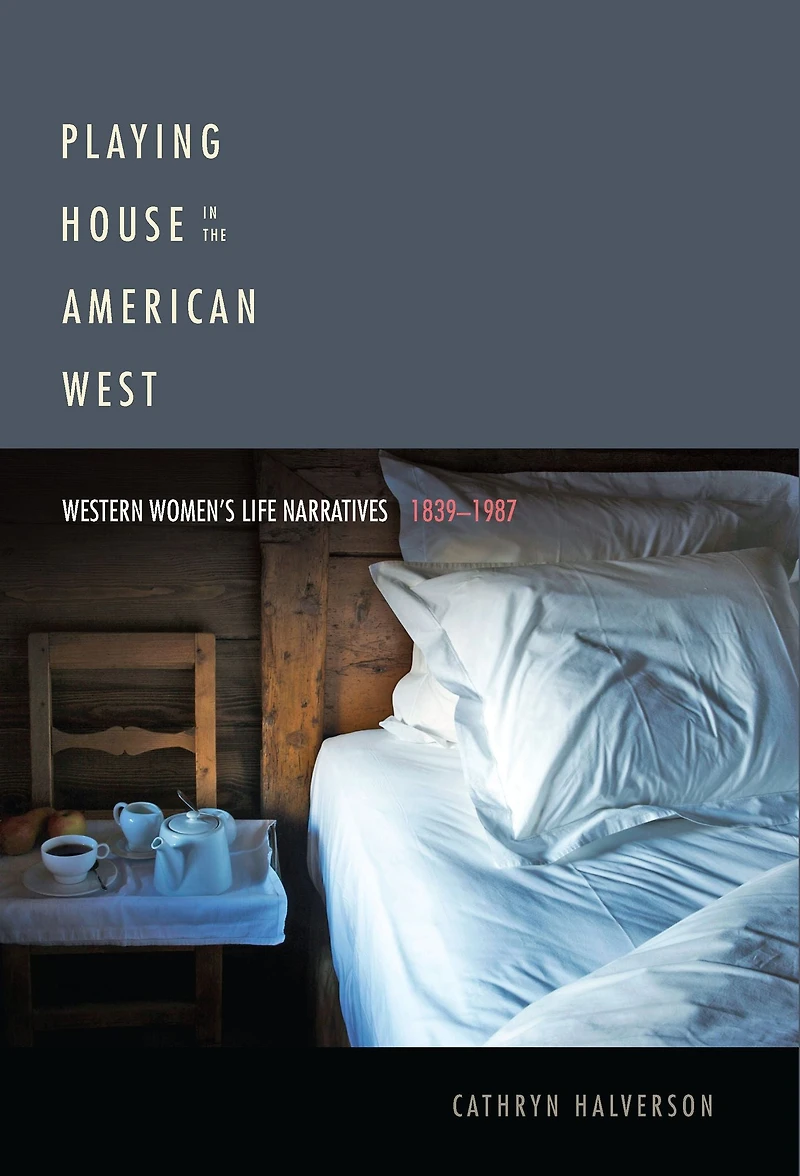
Playing House the American West: Western Women's Life Narratives, 1839-1987 in Bloomington, MN
By Barnes & Noble
Current price: $34.95

Playing House the American West: Western Women's Life Narratives, 1839-1987 in Bloomington, MN
Current price: $34.95
Loading Inventory...
Size: EBook
How domestic life shaped identity, gender, and power in the American WestThe controlling metaphor Cathryn Halverson uses in her engrossing study is “playing house.” From Caroline Kirkland and Laura Ingalls Wilder to Willa Cather and Marilynne Robinson, from the mid-nineteenth to the late-twentieth centuries, western authors have persistently embraced wayward or eccentric housekeeping to prove a woman’s difference from western neighbors and eastern readers alike.The readings in Playing House investigate the surprising textual ends to which westerners turn the familiar terrain of the home: evaluating community; arguing for different conceptions of race and class; and perhaps most especially, resisting traditional gender roles. Western women writers, Halverson argues, render the home as a stage for autonomy, resistance, and imagination rather than as a site of sacrifice and obligation.The western women examined in Playing House in the American West are promoted and read as representatives of a region, as insiders offering views of distant and intriguing ways of life, even as they conceive of themselves as outsiders. By playing with domestic conventions, they recast the region they describe, portraying the West as a place that fosters female agency, individuality, and subjectivity.
How domestic life shaped identity, gender, and power in the American WestThe controlling metaphor Cathryn Halverson uses in her engrossing study is “playing house.” From Caroline Kirkland and Laura Ingalls Wilder to Willa Cather and Marilynne Robinson, from the mid-nineteenth to the late-twentieth centuries, western authors have persistently embraced wayward or eccentric housekeeping to prove a woman’s difference from western neighbors and eastern readers alike.The readings in Playing House investigate the surprising textual ends to which westerners turn the familiar terrain of the home: evaluating community; arguing for different conceptions of race and class; and perhaps most especially, resisting traditional gender roles. Western women writers, Halverson argues, render the home as a stage for autonomy, resistance, and imagination rather than as a site of sacrifice and obligation.The western women examined in Playing House in the American West are promoted and read as representatives of a region, as insiders offering views of distant and intriguing ways of life, even as they conceive of themselves as outsiders. By playing with domestic conventions, they recast the region they describe, portraying the West as a place that fosters female agency, individuality, and subjectivity.








Find at Mall of America® in Bloomington, MN
Visit at Mall of America® in Bloomington, MN