


Home
Plato's Laughter: Socrates as Satyr and Comical Hero
Barnes and Noble
Loading Inventory...
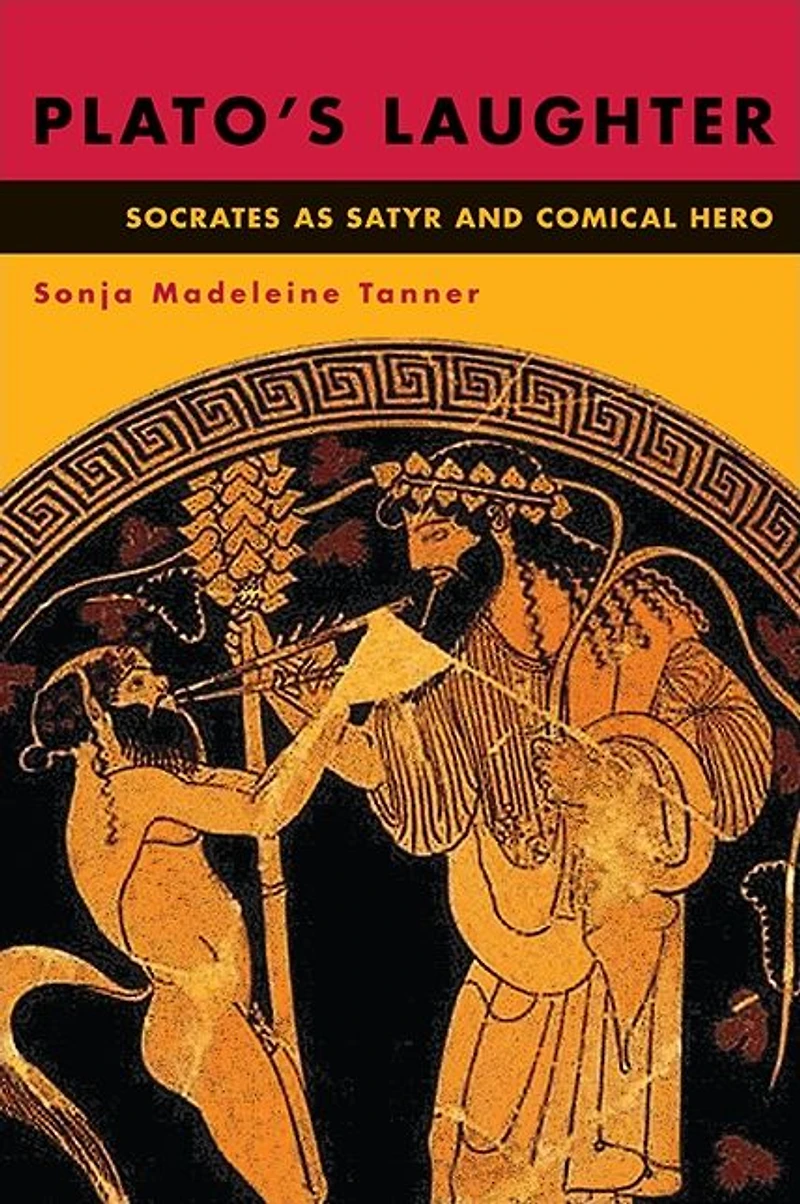
Plato's Laughter: Socrates as Satyr and Comical Hero in Bloomington, MN
By Barnes & Noble
Current price: $36.95

Plato's Laughter: Socrates as Satyr and Comical Hero in Bloomington, MN
Current price: $36.95
Loading Inventory...
Size: EBook
Counters the long-standing, solemn interpretation of Plato's dialogues with one centered on the philosophical and pedagogical significance of Socrates as a comic figure.Plato was described as a boor and it was said that he never laughed out loud. Yet his dialogues abound with puns, jokes, and humor. Sonja Madeleine Tanner argues that in Plato's dialogues Socrates plays a comical hero who draws heavily from the tradition of comedy in ancient Greece, but also reforms laughter to be applicable to all persons and truly shaming to none. Socrates introduces a form of self-reflective laughter that encourages, rather than stifles, philosophical inquiry. Laughter in the dialogues-both explicit and implied-suggests a view of human nature as incongruous with ourselves, simultaneously falling short of, and superseding, our own capacities. What emerges is a picture of human nature that bears a striking resemblance to Socrates' own, laughable depiction, one inspired by Dionysus, but one that remains ultimately intractable. The book analyzes specific instances of laughter and the comical from the Apology, Laches, Charmides, Cratylus, Euthydemus, and the Symposium to support this, and to further elucidate the philosophical consequences of recognizing Plato's laughter.
Counters the long-standing, solemn interpretation of Plato's dialogues with one centered on the philosophical and pedagogical significance of Socrates as a comic figure.Plato was described as a boor and it was said that he never laughed out loud. Yet his dialogues abound with puns, jokes, and humor. Sonja Madeleine Tanner argues that in Plato's dialogues Socrates plays a comical hero who draws heavily from the tradition of comedy in ancient Greece, but also reforms laughter to be applicable to all persons and truly shaming to none. Socrates introduces a form of self-reflective laughter that encourages, rather than stifles, philosophical inquiry. Laughter in the dialogues-both explicit and implied-suggests a view of human nature as incongruous with ourselves, simultaneously falling short of, and superseding, our own capacities. What emerges is a picture of human nature that bears a striking resemblance to Socrates' own, laughable depiction, one inspired by Dionysus, but one that remains ultimately intractable. The book analyzes specific instances of laughter and the comical from the Apology, Laches, Charmides, Cratylus, Euthydemus, and the Symposium to support this, and to further elucidate the philosophical consequences of recognizing Plato's laughter.
Shop Similar Products









Find at Mall of America® in Bloomington, MN
Visit at Mall of America® in Bloomington, MN