


Home
Phylogenetic Analysis of Morphological Data: Two Volume Set
Barnes and Noble
Loading Inventory...
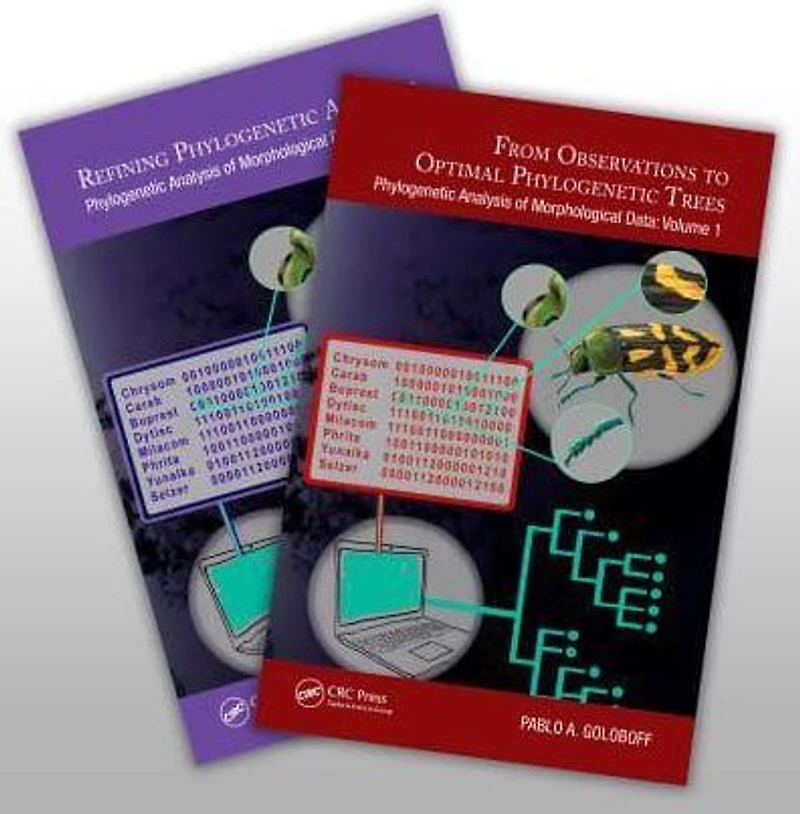
Phylogenetic Analysis of Morphological Data: Two Volume Set in Bloomington, MN
By Barnes & Noble
Current price: $131.98

Phylogenetic Analysis of Morphological Data: Two Volume Set in Bloomington, MN
Current price: $131.98
Loading Inventory...
Size: Paperback
This two-volume book is an up-to-date revision of methods and principles of phylogenetic analysis of morphological data. It is also a general guide for using the computer program TNT in the analysis of such data. The book covers the main aspects of phylogenetic analysis, and general methods to compare classifications derived from molecules and morphology. Practical application of all principles discussed is illustrated by reference to TNT, a freely available software package that can perform all the steps needed in a phylogenetic analysis. Key Features Provides in depth discussion of the connections between hypotheses of homology and the parsimony criterion Helps understand the basis for designing different aspects of a morphological study, from hints on delimiting the problem and data collecting, to character definitions and analysis Discusses the applicability of statistical models coopted from sequence analysis to the analysis of morphological data Gives detailed descriptions of the principles behind algorithms for evaluating and searching phylogenetic trees Presents extensive information on commands and options of the TNT computer program
This two-volume book is an up-to-date revision of methods and principles of phylogenetic analysis of morphological data. It is also a general guide for using the computer program TNT in the analysis of such data. The book covers the main aspects of phylogenetic analysis, and general methods to compare classifications derived from molecules and morphology. Practical application of all principles discussed is illustrated by reference to TNT, a freely available software package that can perform all the steps needed in a phylogenetic analysis. Key Features Provides in depth discussion of the connections between hypotheses of homology and the parsimony criterion Helps understand the basis for designing different aspects of a morphological study, from hints on delimiting the problem and data collecting, to character definitions and analysis Discusses the applicability of statistical models coopted from sequence analysis to the analysis of morphological data Gives detailed descriptions of the principles behind algorithms for evaluating and searching phylogenetic trees Presents extensive information on commands and options of the TNT computer program
Shop Similar Products















Find at Mall of America® in Bloomington, MN
Visit at Mall of America® in Bloomington, MN