


Home
People and piety: Protestant devotional identities early modern England
Barnes and Noble
Loading Inventory...
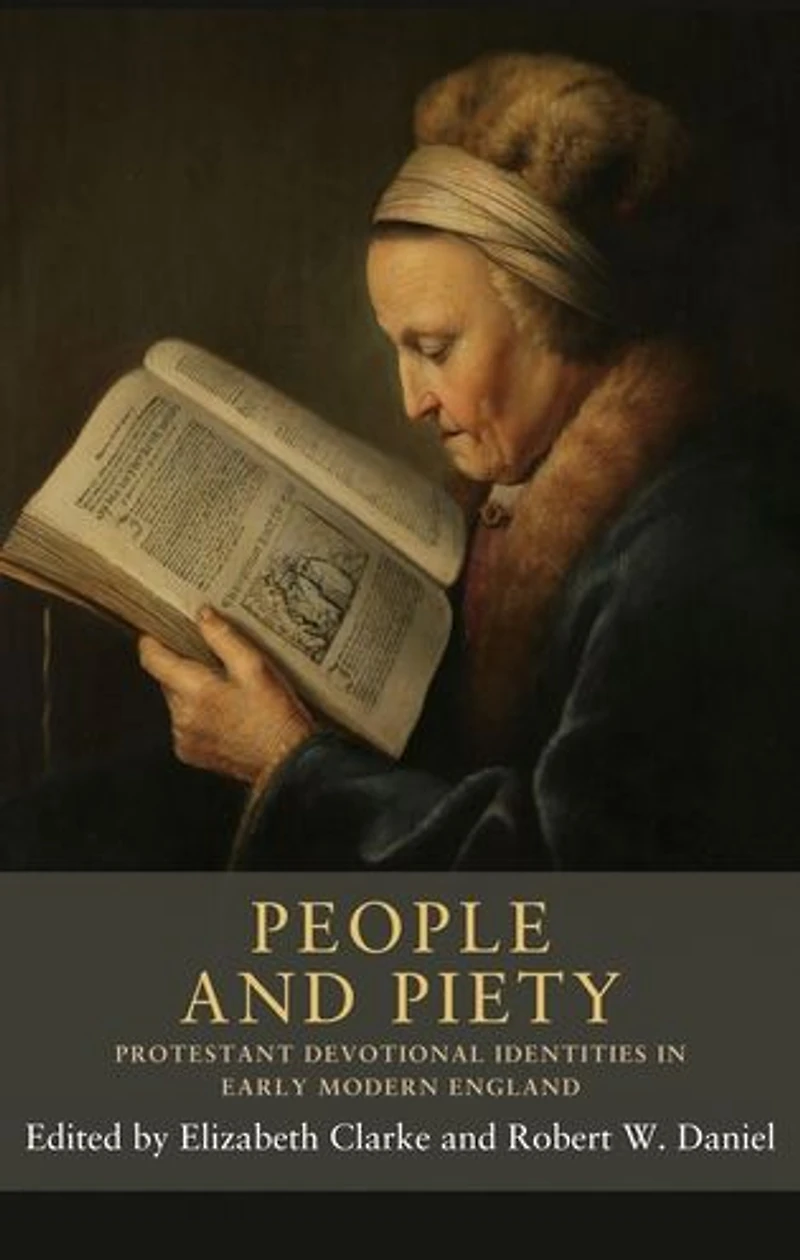
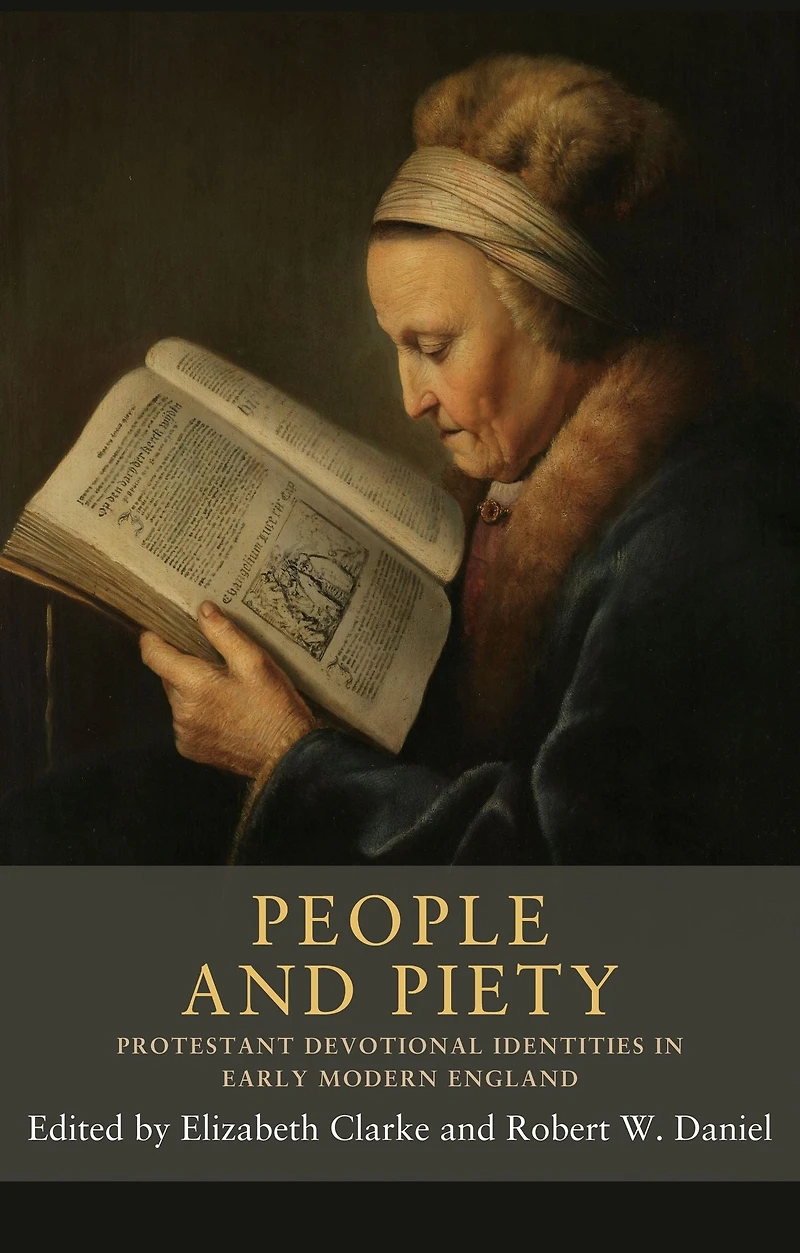

People and piety: Protestant devotional identities early modern England in Bloomington, MN
By Barnes & Noble
Current price: $130.00

People and piety: Protestant devotional identities early modern England in Bloomington, MN
Current price: $130.00
Loading Inventory...
Size: EBook
This international and interdisciplinary volume investigates Protestant devotional identities in sixteenth- and seventeenth-century England. Divided into two sections, the book examines the ‘sites’ where these identities were forged – the academy, printing house, household, theatre and prison – and the ‘types’ of texts that expressed them – spiritual autobiographies, religious poetry and writings tied to the ars moriendi – providing a broad analysis of social, material and literary forms of devotion during England’s Long Reformation. Through archival and cutting-edge research, a detailed picture of ‘lived religion’ emerges, which re-evaluates the pietistic acts and attitudes of well-known and recently discovered figures. To those studying and teaching religion and identity in early modern England, and anyone interested in the history of religious self-expression, these chapters offer a rich and rewarding read.
This international and interdisciplinary volume investigates Protestant devotional identities in sixteenth- and seventeenth-century England. Divided into two sections, the book examines the ‘sites’ where these identities were forged – the academy, printing house, household, theatre and prison – and the ‘types’ of texts that expressed them – spiritual autobiographies, religious poetry and writings tied to the ars moriendi – providing a broad analysis of social, material and literary forms of devotion during England’s Long Reformation. Through archival and cutting-edge research, a detailed picture of ‘lived religion’ emerges, which re-evaluates the pietistic acts and attitudes of well-known and recently discovered figures. To those studying and teaching religion and identity in early modern England, and anyone interested in the history of religious self-expression, these chapters offer a rich and rewarding read.
Shop Similar Products








Find at Mall of America® in Bloomington, MN
Visit at Mall of America® in Bloomington, MN