


Home
Payment for Environmental Services in Agricultural Landscapes: Economic Policies and Poverty Reduction in Developing Countries
Barnes and Noble
Loading Inventory...
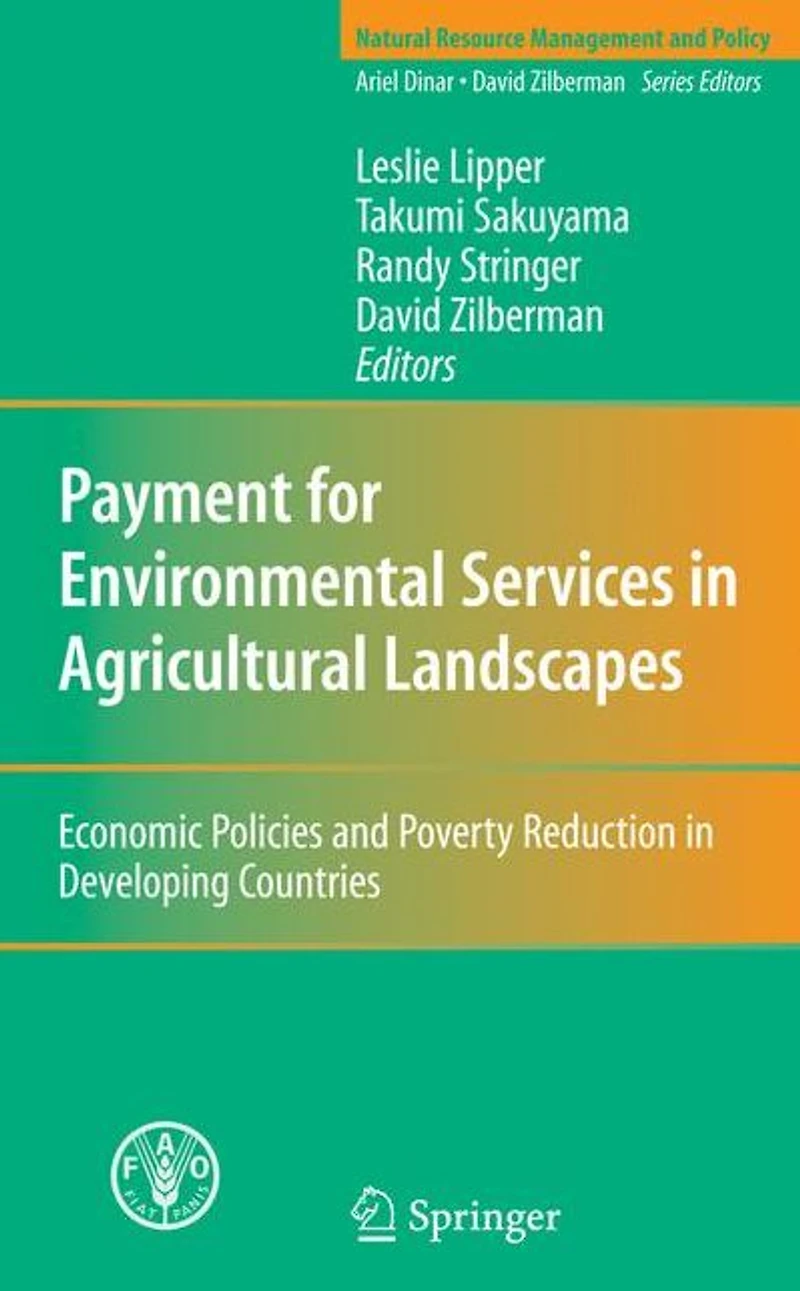
Payment for Environmental Services in Agricultural Landscapes: Economic Policies and Poverty Reduction in Developing Countries in Bloomington, MN
By Barnes & Noble
Current price: $219.99

Payment for Environmental Services in Agricultural Landscapes: Economic Policies and Poverty Reduction in Developing Countries in Bloomington, MN
Current price: $219.99
Loading Inventory...
Size: Hardcover
In recent years, development policy has responded to an increasing concern about natural resource degradation by setting up innovative payment for environmental services (PES) programs in developing countries. PES programs use market and institutional incentives in order to meet both environmental and poverty alleviation objectives. However, their optimal design, implications for the rural poor, and how these initiatives integrate into international treaties on global warming and biodiversity loss are still being discussed. This book addresses these issues by scrutinizing analytical tools, providing policy insights and stimulating debate on linkages between poverty alleviation and environmental protection. In particular, it turns attention towards the role of environmental services in agricultural landscapes as they provide a living for many poor in developing countries. It serves as a valuable reference for academics and students in various disciplines, as well as for policy makers and advisors. This book is a co-publication between Springer and the Food and Agriculture Organization of the United Nations.
In recent years, development policy has responded to an increasing concern about natural resource degradation by setting up innovative payment for environmental services (PES) programs in developing countries. PES programs use market and institutional incentives in order to meet both environmental and poverty alleviation objectives. However, their optimal design, implications for the rural poor, and how these initiatives integrate into international treaties on global warming and biodiversity loss are still being discussed. This book addresses these issues by scrutinizing analytical tools, providing policy insights and stimulating debate on linkages between poverty alleviation and environmental protection. In particular, it turns attention towards the role of environmental services in agricultural landscapes as they provide a living for many poor in developing countries. It serves as a valuable reference for academics and students in various disciplines, as well as for policy makers and advisors. This book is a co-publication between Springer and the Food and Agriculture Organization of the United Nations.
Shop Similar Products











Find at Mall of America® in Bloomington, MN
Visit at Mall of America® in Bloomington, MN