


Home
Parameters of Disavowal: Colonial Representation South Korean Cinema
Barnes and Noble
Loading Inventory...
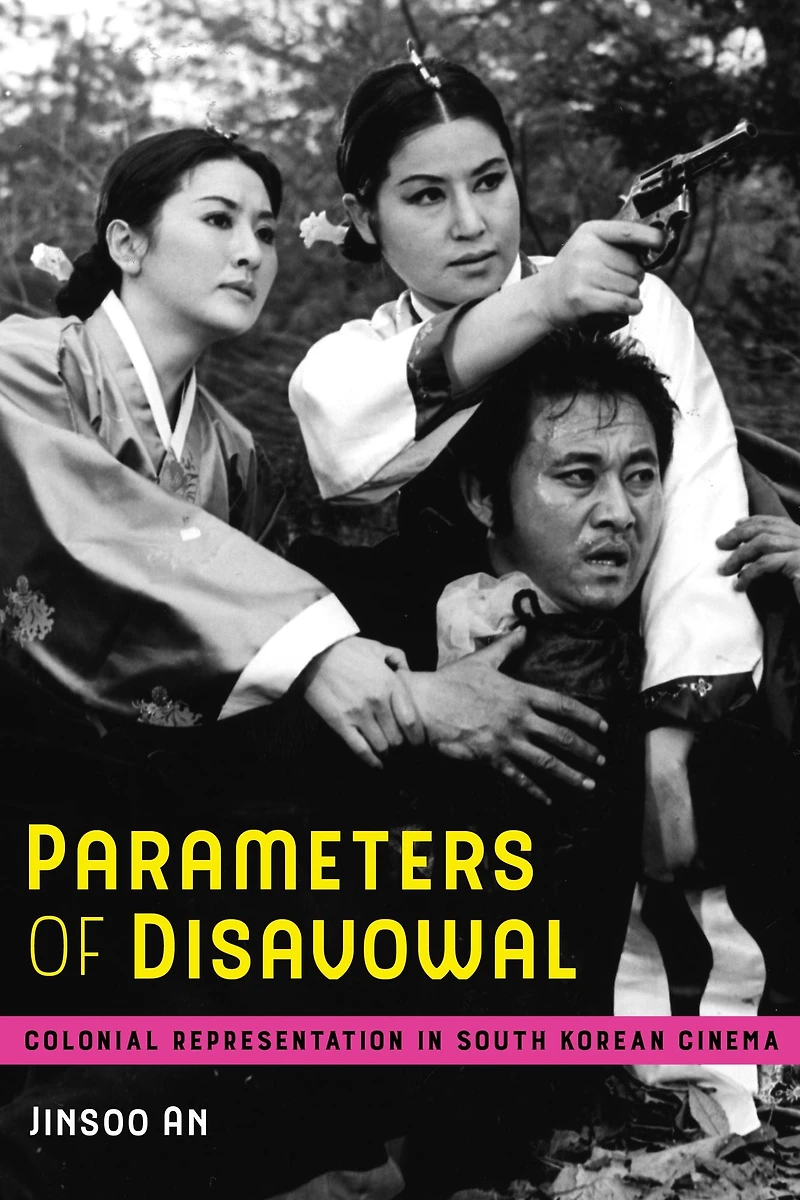
Parameters of Disavowal: Colonial Representation South Korean Cinema in Bloomington, MN
By Barnes & Noble
Current price: $12.99

Parameters of Disavowal: Colonial Representation South Korean Cinema in Bloomington, MN
Current price: $12.99
Loading Inventory...
Size: EBook
A free ebook version of this title is available through Luminos, University of California Press’s Open Access publishing program. Visit www.luminosoa.org to learn more. The colonial experience of the early twentieth century shaped Korea’s culture and identity, leaving a troubling past that was subtly reconstructed in South Korean postcolonial cinema. Relating postcolonial discourses to a reading of Manchurian action films, kisaeng and gangster films, and revenge horror films, Parameters of Disavowal shows how filmmakers reworked, recontextualized, and erased ideas and symbols of colonial power. In particular, Jinsoo An examines how South Korean films privileged certain sites, such as the kisaeng house and the Manchurian frontier, generating unique meanings that challenged the domination of the colonial power, and how horror films indirectly explored both the continuing trauma of colonial violence and lingering emotional ties to the colonial order. Espousing the ideology of nationalism while responding to a new Cold War order that positioned Japan and South Korea as political and economic allies, postcolonial cinema formulated distinctive ways of seeing and imagining the colonial past.
A free ebook version of this title is available through Luminos, University of California Press’s Open Access publishing program. Visit www.luminosoa.org to learn more. The colonial experience of the early twentieth century shaped Korea’s culture and identity, leaving a troubling past that was subtly reconstructed in South Korean postcolonial cinema. Relating postcolonial discourses to a reading of Manchurian action films, kisaeng and gangster films, and revenge horror films, Parameters of Disavowal shows how filmmakers reworked, recontextualized, and erased ideas and symbols of colonial power. In particular, Jinsoo An examines how South Korean films privileged certain sites, such as the kisaeng house and the Manchurian frontier, generating unique meanings that challenged the domination of the colonial power, and how horror films indirectly explored both the continuing trauma of colonial violence and lingering emotional ties to the colonial order. Espousing the ideology of nationalism while responding to a new Cold War order that positioned Japan and South Korea as political and economic allies, postcolonial cinema formulated distinctive ways of seeing and imagining the colonial past.
Shop Similar Products








Find at Mall of America® in Bloomington, MN
Visit at Mall of America® in Bloomington, MN