


Home
Ovid in Sondershausen: Das Schloss und die Bilder
Barnes and Noble
Loading Inventory...
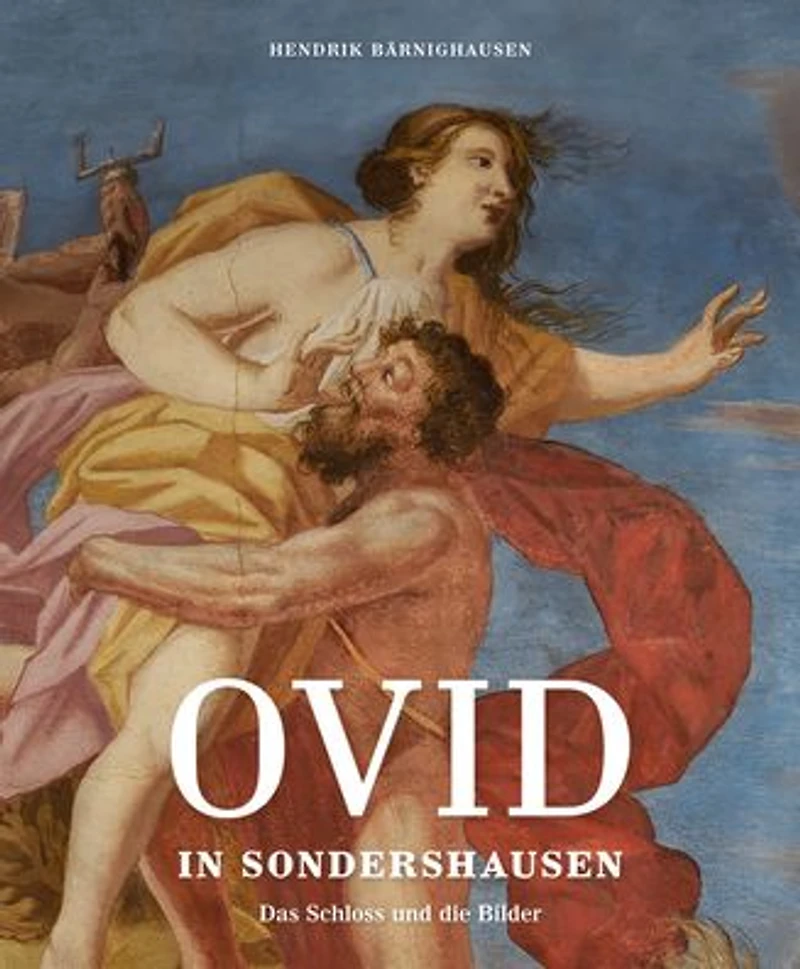
Ovid in Sondershausen: Das Schloss und die Bilder in Bloomington, MN
By Barnes & Noble
Current price: $35.00

Ovid in Sondershausen: Das Schloss und die Bilder in Bloomington, MN
Current price: $35.00
Loading Inventory...
Size: Hardcover
The Roman poet Ovid died around 2,000 years ago (17/18 C.E.). No other author of antiquity exerted such a comprehensive and profound impact on the art of posterity. His "Metamorphoses", an epochal literary work of art, also became a standard work of ancient mythology, from which artists for centuries derived narratives and motifs for paintings and graphic sheets, sculptures, stucco work, and handicrafts. Schloss Sondershausen in Thuringia, the former residential palace of the Counts and Princes of SchwarzburgSondershausen, is a very special place in the history of Ovid's reception. Motifs from Ovid's works can be found here on 16thcentury murals, on stucco work from the early 17th century, in the interior decoration with a variety of ceiling paintings from the late 17th century, in largescale ceiling paintings from the 18th century, as well as a fountain figure of the most spectacular hero of antiquity, Hercules, in the middle of the palace courtyard.
The Roman poet Ovid died around 2,000 years ago (17/18 C.E.). No other author of antiquity exerted such a comprehensive and profound impact on the art of posterity. His "Metamorphoses", an epochal literary work of art, also became a standard work of ancient mythology, from which artists for centuries derived narratives and motifs for paintings and graphic sheets, sculptures, stucco work, and handicrafts. Schloss Sondershausen in Thuringia, the former residential palace of the Counts and Princes of SchwarzburgSondershausen, is a very special place in the history of Ovid's reception. Motifs from Ovid's works can be found here on 16thcentury murals, on stucco work from the early 17th century, in the interior decoration with a variety of ceiling paintings from the late 17th century, in largescale ceiling paintings from the 18th century, as well as a fountain figure of the most spectacular hero of antiquity, Hercules, in the middle of the palace courtyard.
Shop Similar Products

















Find at Mall of America® in Bloomington, MN
Visit at Mall of America® in Bloomington, MN