


Home
Order at the Bazaar: Power and Trade in Central Asia
Barnes and Noble
Loading Inventory...
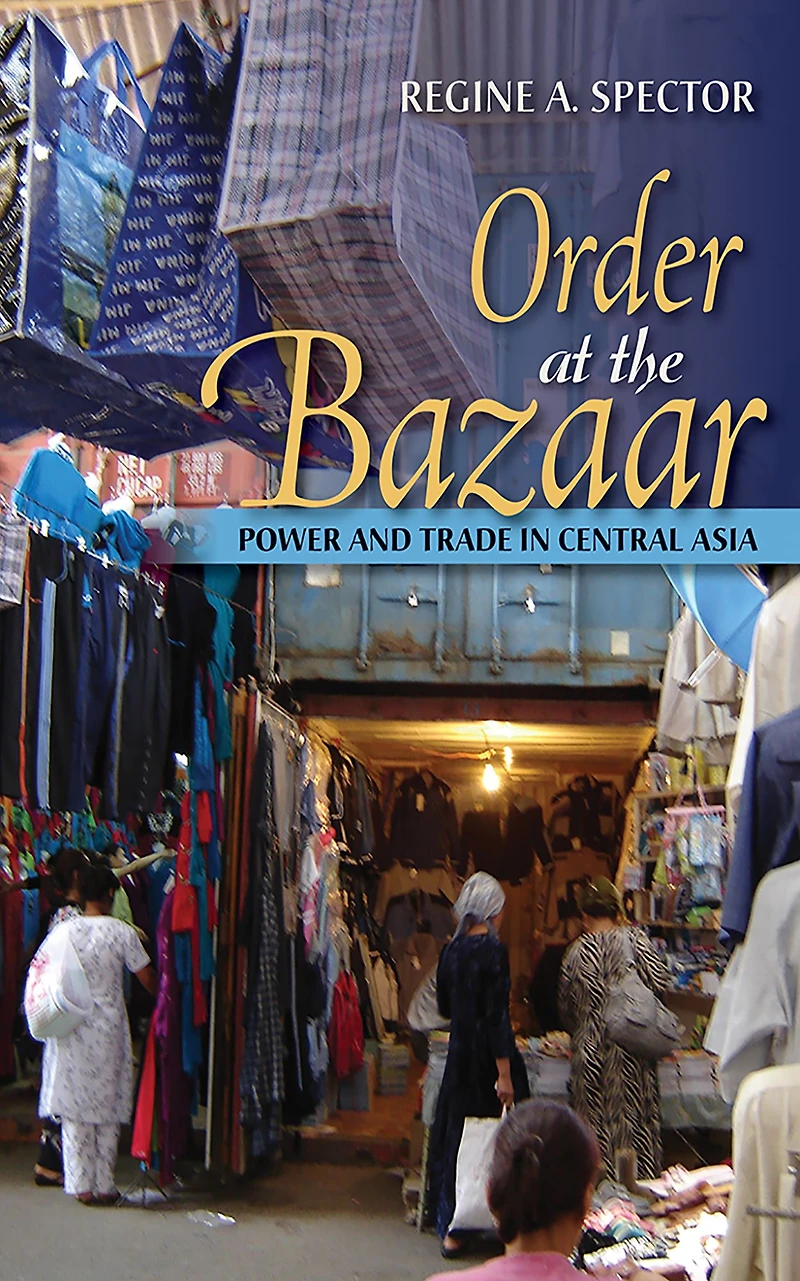
Order at the Bazaar: Power and Trade in Central Asia in Bloomington, MN
By Barnes & Noble
Current price: $42.99

Order at the Bazaar: Power and Trade in Central Asia in Bloomington, MN
Current price: $42.99
Loading Inventory...
Size: EBook
Order at the Bazaar delves into the role of bazaars in the political economy and development of Central Asia. Bazaars are the economic bedrock for many throughout the region—they are the entrepreneurial hubs of Central Asia. However, they are often regarded as mafia-governed environments that are largely populated by the dispossessed. By immersing herself in the bazaars of Kyrgyzstan, Regine A. Spector learned that some are rather best characterized as islands of order in a chaotic national context. Spector draws on interviews, archival sources, and participant observation to show how traders, landowners, and municipal officials create order in the absence of a coherent government apparatus and bureaucratic state. Merchants have adapted Soviet institutions, including trade unions, and pre-Soviet practices, such as using village elders as the arbiters of disputes, to the urban bazaar by building and asserting their own authority. Spector's findings have relevance beyond the bazaars and borders of one small country; they teach us how economic development operates when the rule of law is weak.
Order at the Bazaar delves into the role of bazaars in the political economy and development of Central Asia. Bazaars are the economic bedrock for many throughout the region—they are the entrepreneurial hubs of Central Asia. However, they are often regarded as mafia-governed environments that are largely populated by the dispossessed. By immersing herself in the bazaars of Kyrgyzstan, Regine A. Spector learned that some are rather best characterized as islands of order in a chaotic national context. Spector draws on interviews, archival sources, and participant observation to show how traders, landowners, and municipal officials create order in the absence of a coherent government apparatus and bureaucratic state. Merchants have adapted Soviet institutions, including trade unions, and pre-Soviet practices, such as using village elders as the arbiters of disputes, to the urban bazaar by building and asserting their own authority. Spector's findings have relevance beyond the bazaars and borders of one small country; they teach us how economic development operates when the rule of law is weak.
Shop Similar Products








Find at Mall of America® in Bloomington, MN
Visit at Mall of America® in Bloomington, MN