


Home
On Sacrifice
Barnes and Noble
Loading Inventory...

On Sacrifice in Bloomington, MN
By Barnes & Noble
Current price: $14.99

On Sacrifice in Bloomington, MN
Current price: $14.99
Loading Inventory...
Size: EBook
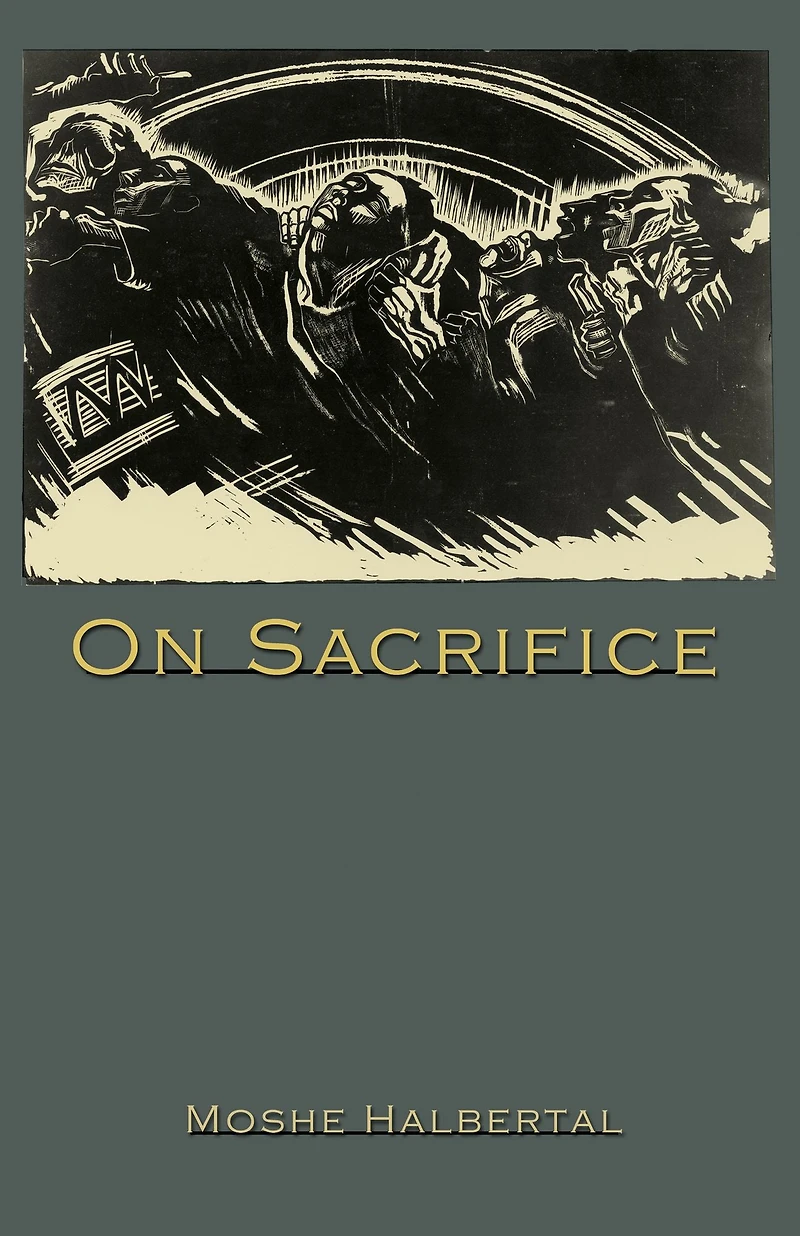
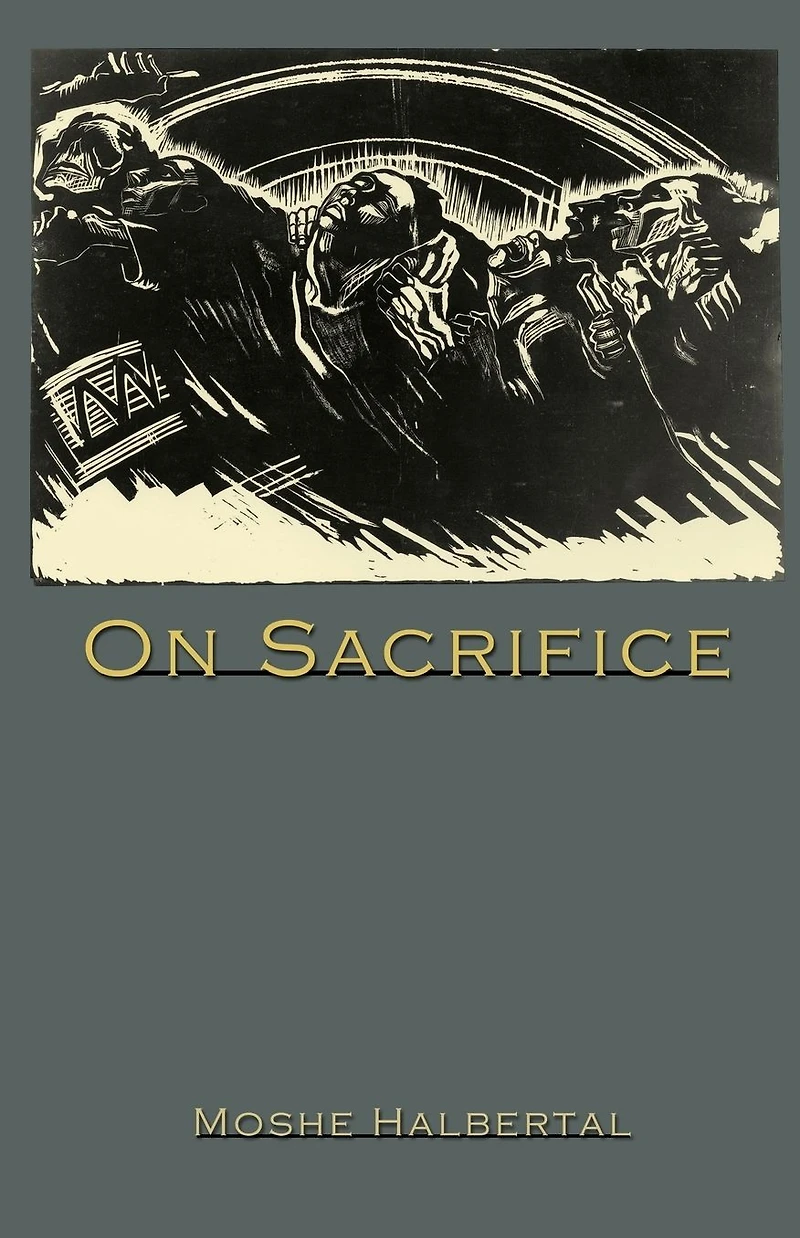
The idea and practice of sacrifice play a profound role in religion, ethics, and politics. In this brief book, philosopher Moshe Halbertal explores the meaning and implications of sacrifice, developing a theory of sacrifice as an offering and examining the relationship between sacrifice, ritual, violence, and love. On Sacrifice also looks at the place of self-sacrifice within ethical life and at the complex role of sacrifice as both a noble and destructive political ideal. In the religious domain, Halbertal argues, sacrifice is an offering, a gift given in the context of a hierarchical relationship. As such it is vulnerable to rejection, a trauma at the root of both ritual and violence. An offering is also an ambiguous gesture torn between a genuine expression of gratitude and love and an instrument of exchange, a tension that haunts the practice of sacrifice. In the moral and political domains, sacrifice is tied to the idea of self-transcendence, in which an individual sacrifices his or her self-interest for the sake of higher values and commitments. While self-sacrifice has great potential moral value, it can also be used to justify the most brutal acts. Halbertal attempts to unravel the relationship between self-sacrifice and violence, arguing that misguided self-sacrifice is far more problematic than exaggerated self-love. In his exploration of the positive and negative dimensions of self-sacrifice, Halbertal also addresses the role of past sacrifice in obligating future generations and in creating a bond for political associations, and considers the function of the modern state as a sacrificial community.
The idea and practice of sacrifice play a profound role in religion, ethics, and politics. In this brief book, philosopher Moshe Halbertal explores the meaning and implications of sacrifice, developing a theory of sacrifice as an offering and examining the relationship between sacrifice, ritual, violence, and love. On Sacrifice also looks at the place of self-sacrifice within ethical life and at the complex role of sacrifice as both a noble and destructive political ideal. In the religious domain, Halbertal argues, sacrifice is an offering, a gift given in the context of a hierarchical relationship. As such it is vulnerable to rejection, a trauma at the root of both ritual and violence. An offering is also an ambiguous gesture torn between a genuine expression of gratitude and love and an instrument of exchange, a tension that haunts the practice of sacrifice. In the moral and political domains, sacrifice is tied to the idea of self-transcendence, in which an individual sacrifices his or her self-interest for the sake of higher values and commitments. While self-sacrifice has great potential moral value, it can also be used to justify the most brutal acts. Halbertal attempts to unravel the relationship between self-sacrifice and violence, arguing that misguided self-sacrifice is far more problematic than exaggerated self-love. In his exploration of the positive and negative dimensions of self-sacrifice, Halbertal also addresses the role of past sacrifice in obligating future generations and in creating a bond for political associations, and considers the function of the modern state as a sacrificial community.
Shop Similar Products













Find at Mall of America® in Bloomington, MN
Visit at Mall of America® in Bloomington, MN