


Home
Oldham Through Time
Barnes and Noble
Loading Inventory...
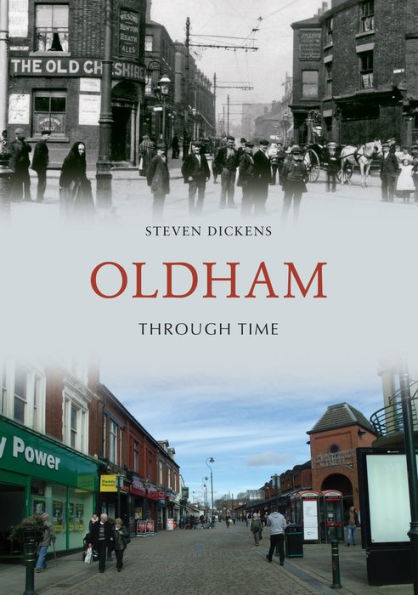
Oldham Through Time in Bloomington, MN
Current price: $24.95

Oldham Through Time in Bloomington, MN
Current price: $24.95
Loading Inventory...
Size: Paperback
The Lancashire town of Oldham was a boom town of the Industrial Revolution and among the first ever industrialised towns in England. At its peak it was the most productive cotton-spinning mill town in the world, producing more cotton than France and Germany combined. It was not until the last quarter of the eighteenth century that Oldham changed from being a cottage industry township producing woollen garments via domestic manual labour to a sprawling industrial metropolis of textile factories.The town’s population was greatly increased by the mass migration of workers from outlying villages, resulting in an explosion from just over 12,000 in 1801 to 137,000 in 1901.At its peak, in 1928, there were more than 360 mills operating night and day, but Oldham’s textile industry fell into decline in the mid-twentieth century and the town’s last mill closed in 1998. Today, Oldham is a predominantly residential town and a centre for further education and the performing arts. Oldham Through Timecharts these remarkable changes through a fascinating series of images of the town over the last century and a half.
The Lancashire town of Oldham was a boom town of the Industrial Revolution and among the first ever industrialised towns in England. At its peak it was the most productive cotton-spinning mill town in the world, producing more cotton than France and Germany combined. It was not until the last quarter of the eighteenth century that Oldham changed from being a cottage industry township producing woollen garments via domestic manual labour to a sprawling industrial metropolis of textile factories.The town’s population was greatly increased by the mass migration of workers from outlying villages, resulting in an explosion from just over 12,000 in 1801 to 137,000 in 1901.At its peak, in 1928, there were more than 360 mills operating night and day, but Oldham’s textile industry fell into decline in the mid-twentieth century and the town’s last mill closed in 1998. Today, Oldham is a predominantly residential town and a centre for further education and the performing arts. Oldham Through Timecharts these remarkable changes through a fascinating series of images of the town over the last century and a half.
Shop Similar Products










Find at Mall of America® in Bloomington, MN
Visit at Mall of America® in Bloomington, MN