


Home
Ocean Acidification: A National Strategy to Meet the Challenges of a Changing Ocean
Barnes and Noble
Loading Inventory...
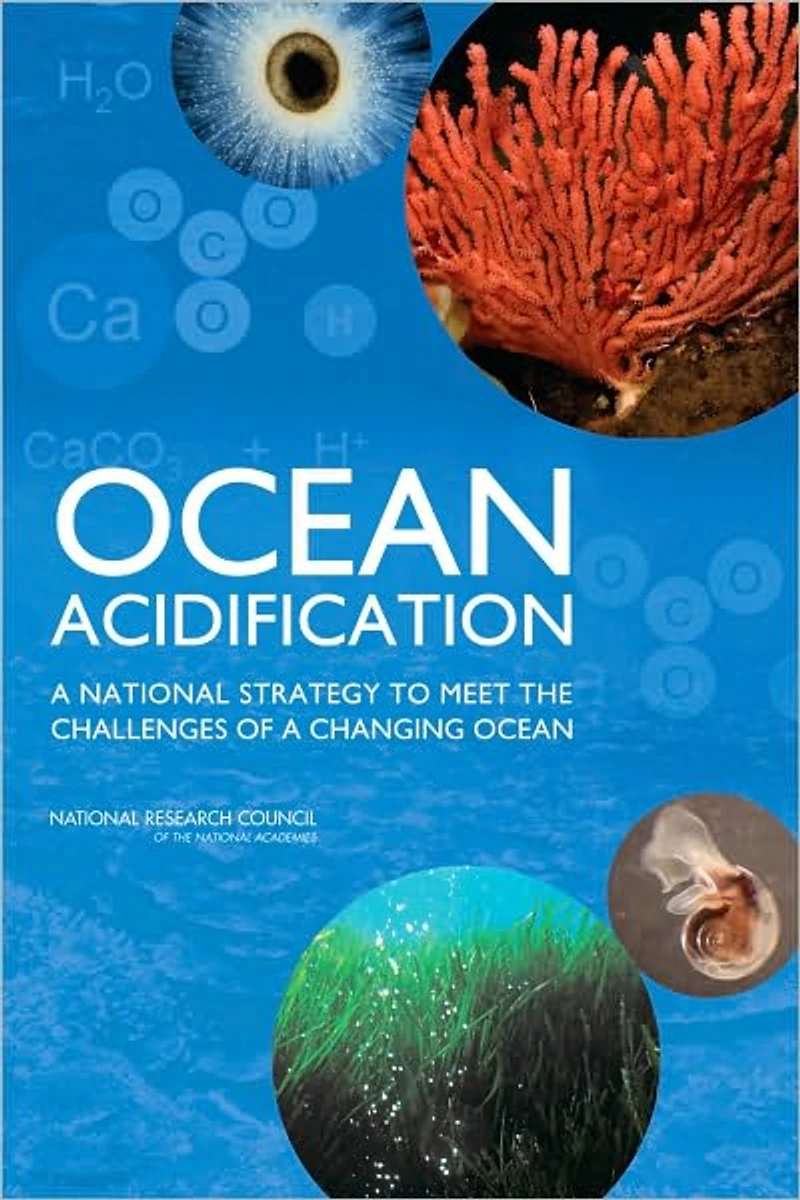
Ocean Acidification: A National Strategy to Meet the Challenges of a Changing Ocean in Bloomington, MN
By Barnes & Noble
Current price: $85.00

Ocean Acidification: A National Strategy to Meet the Challenges of a Changing Ocean in Bloomington, MN
Current price: $85.00
Loading Inventory...
Size: Paperback
The ocean has absorbed a significant portion of all human-made carbon dioxide emissions. This benefits human society by moderating the rate of climate change, but also causes unprecedented changes to ocean chemistry. Carbon dioxide taken up by the ocean decreases the pH of the water and leads to a suite of chemical changes collectively known as ocean acidification. The long term consequences of ocean acidification are not known, but are expected to result in changes to many ecosystems and the services they provide to society. Ocean Acidification: A National Strategy to Meet the Challenges of a Changing Ocean reviews the current state of knowledge, explores gaps in understanding, and identifies several key findings. Like climate change, ocean acidification is a growing global problem that will intensify with continued CO2 emissions and has the potential to change marine ecosystems and affect benefits to society. The federal government has taken positive initial steps by developing a national ocean acidification program, but more information is needed to fully understand and address the threat that ocean acidification may pose to marine ecosystems and the services they provide. In addition, a global observation network of chemical and biological sensors is needed to monitor changes in ocean conditions attributable to acidification.
The ocean has absorbed a significant portion of all human-made carbon dioxide emissions. This benefits human society by moderating the rate of climate change, but also causes unprecedented changes to ocean chemistry. Carbon dioxide taken up by the ocean decreases the pH of the water and leads to a suite of chemical changes collectively known as ocean acidification. The long term consequences of ocean acidification are not known, but are expected to result in changes to many ecosystems and the services they provide to society. Ocean Acidification: A National Strategy to Meet the Challenges of a Changing Ocean reviews the current state of knowledge, explores gaps in understanding, and identifies several key findings. Like climate change, ocean acidification is a growing global problem that will intensify with continued CO2 emissions and has the potential to change marine ecosystems and affect benefits to society. The federal government has taken positive initial steps by developing a national ocean acidification program, but more information is needed to fully understand and address the threat that ocean acidification may pose to marine ecosystems and the services they provide. In addition, a global observation network of chemical and biological sensors is needed to monitor changes in ocean conditions attributable to acidification.
Shop Similar Products

















Find at Mall of America® in Bloomington, MN
Visit at Mall of America® in Bloomington, MN