


Home
Now We Are Citizens: Indigenous Politics Postmulticultural Bolivia
Barnes and Noble
Loading Inventory...
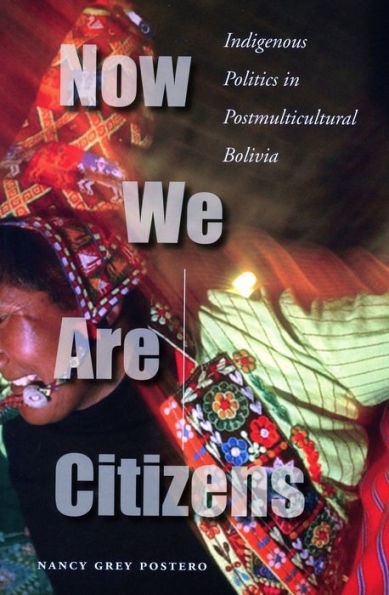
Now We Are Citizens: Indigenous Politics Postmulticultural Bolivia in Bloomington, MN
Current price: $120.00

Now We Are Citizens: Indigenous Politics Postmulticultural Bolivia in Bloomington, MN
Current price: $120.00
Loading Inventory...
Size: Hardcover
Upon winning the 2005 presidential election, Evo Morales became the first indigenous person to lead Bolivia since the arrival of the Spanish more than five hundred years before. Morales’s election is the culmination of a striking new kind of activism in Bolivia. Born out of a history of resistance to colonial racism and developed in collective struggles against the post-revolutionary state, this movement crystallized over the last decade as poor and Indian Bolivian citizens engaged with the democratic promises and exclusions of neoliberal multiculturalism.
This ethnography of the Guaraní Indians of Santa Cruz traces how recent political reforms, most notably the Law of Popular Participation, recast the racist exclusions of the past, and offers a fresh look at neoliberalism. Armed with the language of citizenship and an expectation of the rights citizenship implies, this group is demanding radical changes to the structured inequalities that mark Bolivian society. As the 2005 election proved, even Bolivia’s most marginalized people can reform fundamental ideas about the nation, multiculturalism, neoliberalism, and democracy.
This ethnography of the Guaraní Indians of Santa Cruz traces how recent political reforms, most notably the Law of Popular Participation, recast the racist exclusions of the past, and offers a fresh look at neoliberalism. Armed with the language of citizenship and an expectation of the rights citizenship implies, this group is demanding radical changes to the structured inequalities that mark Bolivian society. As the 2005 election proved, even Bolivia’s most marginalized people can reform fundamental ideas about the nation, multiculturalism, neoliberalism, and democracy.
Upon winning the 2005 presidential election, Evo Morales became the first indigenous person to lead Bolivia since the arrival of the Spanish more than five hundred years before. Morales’s election is the culmination of a striking new kind of activism in Bolivia. Born out of a history of resistance to colonial racism and developed in collective struggles against the post-revolutionary state, this movement crystallized over the last decade as poor and Indian Bolivian citizens engaged with the democratic promises and exclusions of neoliberal multiculturalism.
This ethnography of the Guaraní Indians of Santa Cruz traces how recent political reforms, most notably the Law of Popular Participation, recast the racist exclusions of the past, and offers a fresh look at neoliberalism. Armed with the language of citizenship and an expectation of the rights citizenship implies, this group is demanding radical changes to the structured inequalities that mark Bolivian society. As the 2005 election proved, even Bolivia’s most marginalized people can reform fundamental ideas about the nation, multiculturalism, neoliberalism, and democracy.
This ethnography of the Guaraní Indians of Santa Cruz traces how recent political reforms, most notably the Law of Popular Participation, recast the racist exclusions of the past, and offers a fresh look at neoliberalism. Armed with the language of citizenship and an expectation of the rights citizenship implies, this group is demanding radical changes to the structured inequalities that mark Bolivian society. As the 2005 election proved, even Bolivia’s most marginalized people can reform fundamental ideas about the nation, multiculturalism, neoliberalism, and democracy.
Shop Similar Products











Find at Mall of America® in Bloomington, MN
Visit at Mall of America® in Bloomington, MN