


Home
Non-coding RNAs at the Cross-Road of Cardiometabolic Diseases and Cancer
Barnes and Noble
Loading Inventory...
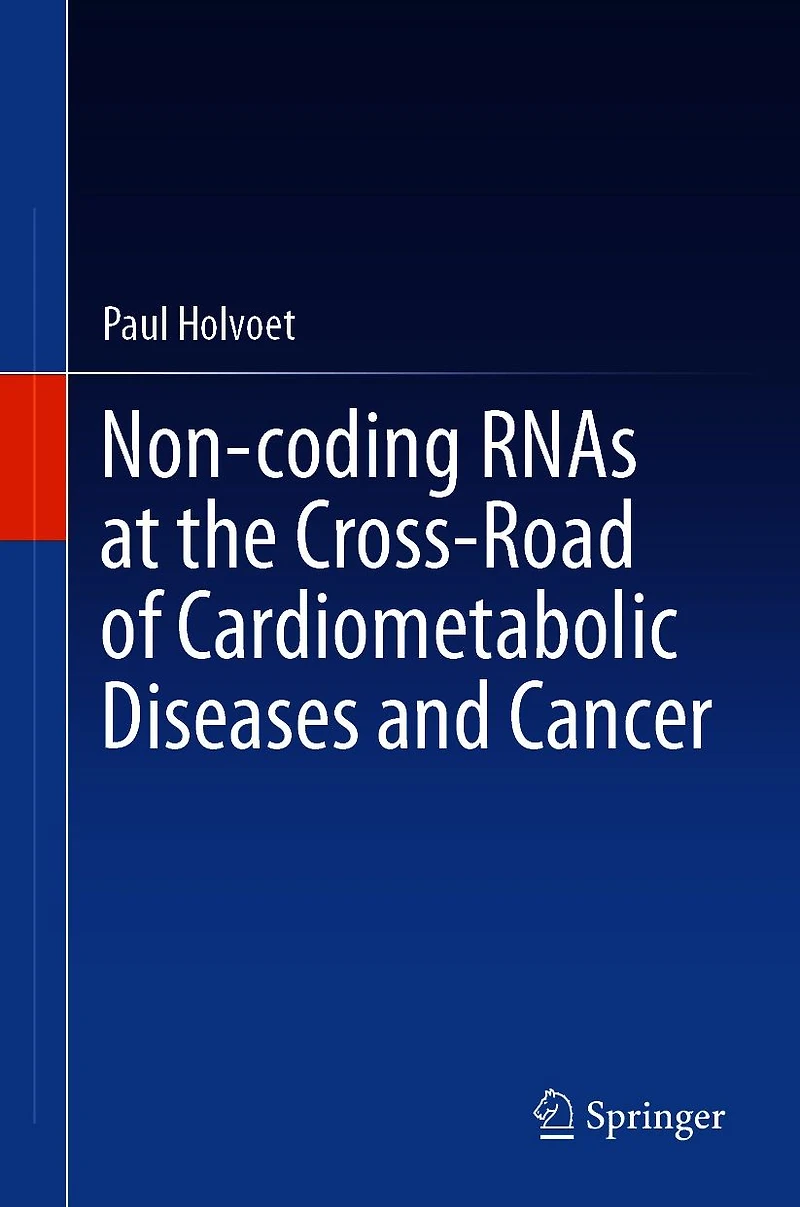
Non-coding RNAs at the Cross-Road of Cardiometabolic Diseases and Cancer in Bloomington, MN
By Barnes & Noble
Current price: $149.00

Non-coding RNAs at the Cross-Road of Cardiometabolic Diseases and Cancer in Bloomington, MN
Current price: $149.00
Loading Inventory...
Size: EBook
This book gives insight into the functional role of noncoding RNAs in central pathways contributing to the development of obesity, type 2 diabetes, nonalcoholic fatty liver disease, atherosclerosis, myocardial infarction, cardiomyopathy, and heart failure. It also sheds light on the relationship of this cluster with cancer. Tumor cells, in contrast to cells in cardiometabolic tissues, can regulate this cluster of noncoding RNAs to escape from oxidative stress and antitumor immunity and maintain insulin sensitivity, facilitating cancer progression. The book presents a cluster of noncoding RNAs that may be prospectively analyzed in extensive cohort studies to determine their value in riskpredicting machine learning algorithms. In addition, it emphasizes the role of microvesicles in communication between tumoradjacent tissue, inflammatory cells, and tumor cells, with a special focus on the role of miR155. The book intends to promote interdisciplinary research. Due to the comprehensive background information provided in each chapter, it is suitable for researchers in academia and industry and for graduate students in biology, bioengineering, and medicine.
This book gives insight into the functional role of noncoding RNAs in central pathways contributing to the development of obesity, type 2 diabetes, nonalcoholic fatty liver disease, atherosclerosis, myocardial infarction, cardiomyopathy, and heart failure. It also sheds light on the relationship of this cluster with cancer. Tumor cells, in contrast to cells in cardiometabolic tissues, can regulate this cluster of noncoding RNAs to escape from oxidative stress and antitumor immunity and maintain insulin sensitivity, facilitating cancer progression. The book presents a cluster of noncoding RNAs that may be prospectively analyzed in extensive cohort studies to determine their value in riskpredicting machine learning algorithms. In addition, it emphasizes the role of microvesicles in communication between tumoradjacent tissue, inflammatory cells, and tumor cells, with a special focus on the role of miR155. The book intends to promote interdisciplinary research. Due to the comprehensive background information provided in each chapter, it is suitable for researchers in academia and industry and for graduate students in biology, bioengineering, and medicine.
Shop Similar Products













Find at Mall of America® in Bloomington, MN
Visit at Mall of America® in Bloomington, MN