


Home
New Mexico's Magnificent Sandia Mountain: The Complete Geological Story
Barnes and Noble
Loading Inventory...
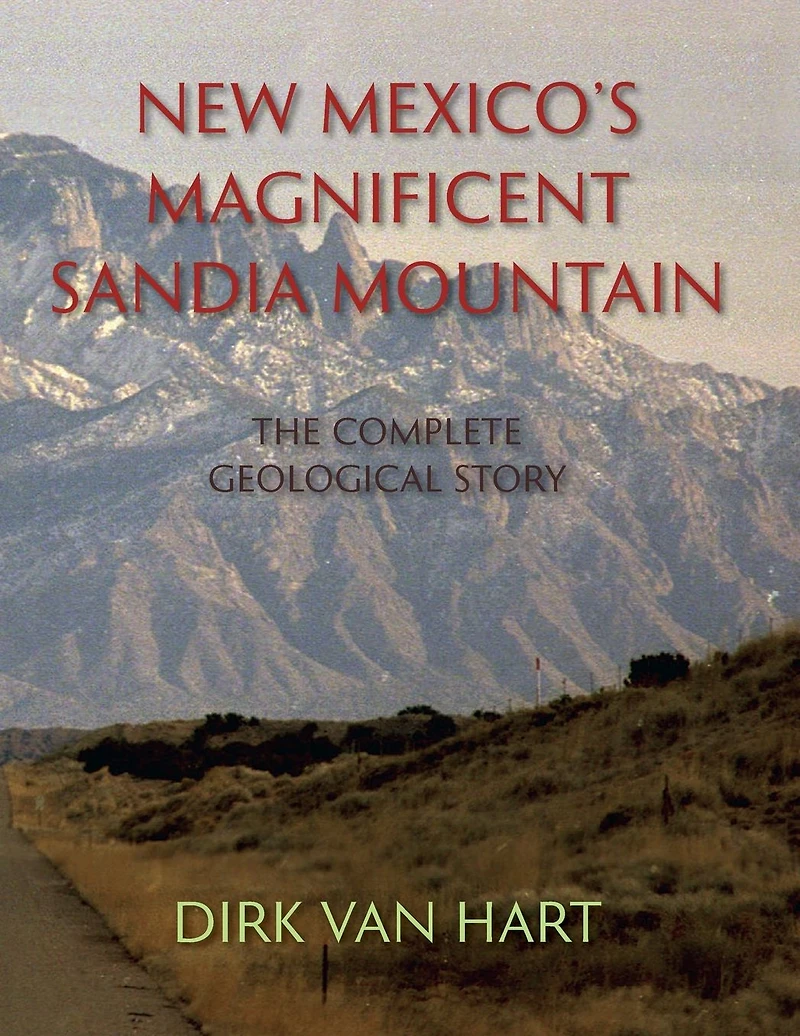
New Mexico's Magnificent Sandia Mountain: The Complete Geological Story in Bloomington, MN
By Barnes & Noble
Current price: $40.00

New Mexico's Magnificent Sandia Mountain: The Complete Geological Story in Bloomington, MN
Current price: $40.00
Loading Inventory...
Size: Paperback
The magnificent Sandia Mountain forms an enormous rampart towering over the city of Albuquerque, New Mexico. Regionally, the feature's distinctive "whale back" profile utterly dominates the horizon within a huge area of central New Mexico. This book provides the complete geologic story of the mountain's origin-a story given within the context of the greater American Southwest. The text is richly illustrated, producing a reader-friendly narrative understandable to the non-geologist. The mountain and its surroundings are the end-products of a long sequence of geologic events spanning a vast period of 1.7 billion years, but the uplift we call today's Sandia Mountain was formed quite recently. In this way it differs in origin from the Rocky Mountains, which are located nearby but are much older. Paradoxically, then, what we see today is a relatively new mountain made from very old rocks.
The magnificent Sandia Mountain forms an enormous rampart towering over the city of Albuquerque, New Mexico. Regionally, the feature's distinctive "whale back" profile utterly dominates the horizon within a huge area of central New Mexico. This book provides the complete geologic story of the mountain's origin-a story given within the context of the greater American Southwest. The text is richly illustrated, producing a reader-friendly narrative understandable to the non-geologist. The mountain and its surroundings are the end-products of a long sequence of geologic events spanning a vast period of 1.7 billion years, but the uplift we call today's Sandia Mountain was formed quite recently. In this way it differs in origin from the Rocky Mountains, which are located nearby but are much older. Paradoxically, then, what we see today is a relatively new mountain made from very old rocks.
Shop Similar Products
















Find at Mall of America® in Bloomington, MN
Visit at Mall of America® in Bloomington, MN