


Home
New Galdós Studies: Essays in Memory of John Varey
Barnes and Noble
Loading Inventory...
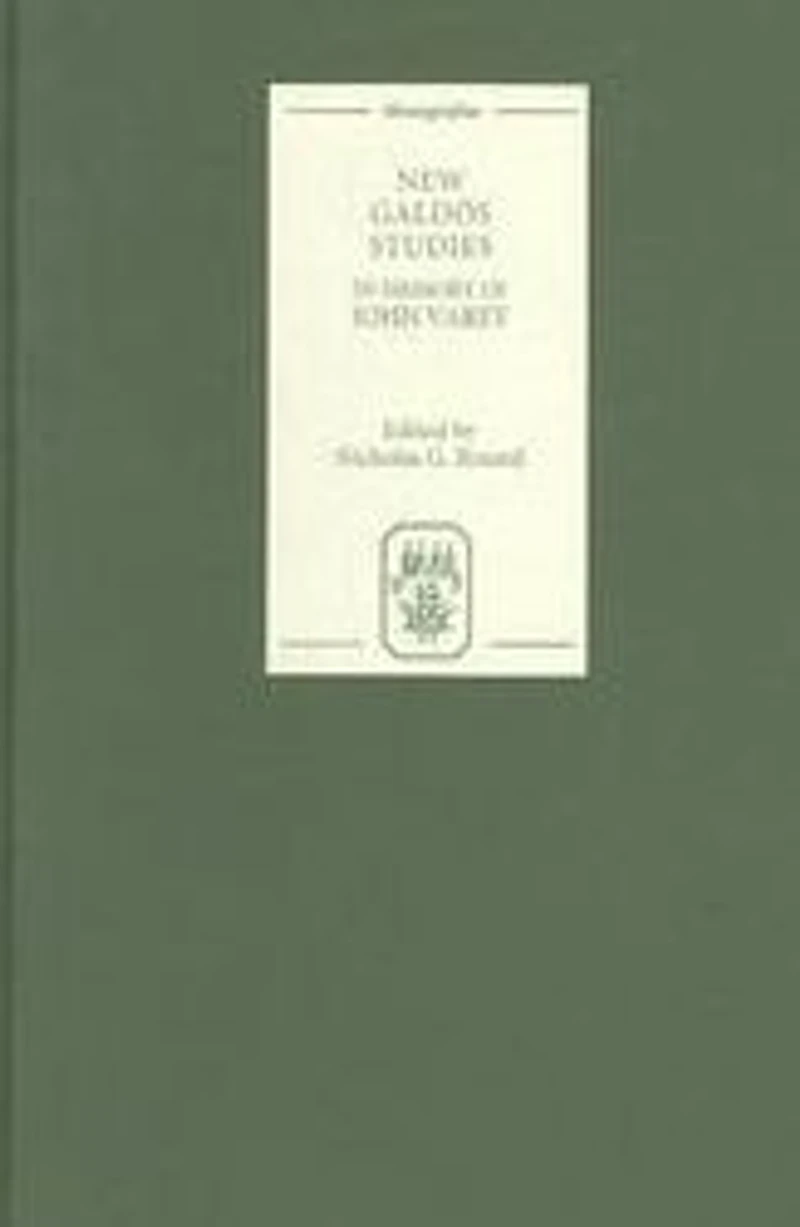
New Galdós Studies: Essays in Memory of John Varey in Bloomington, MN
By Barnes & Noble
Current price: $110.00

New Galdós Studies: Essays in Memory of John Varey in Bloomington, MN
Current price: $110.00
Loading Inventory...
Size: Hardcover
The master of the realist novel of nineteenthcentury Spain, Benito Pérez Galdós, is the subject of these new studies.The master of the realist novel of nineteenthcentury Spain, Benito Pérez Galdós, is the subject of New Galdós Studies, offered in memory of John Varey, author of Galdós Studies, the foundational text for contemporary Galdosian scholarship. Eamonn Rodgers describes Galdós's early readership and reception; James Whiston illustrates Galdós's creativity in Lo prohibido; Rhian Davies explores the enrichment of the novelist's language in Torquemada en la Cruz; Teresa Fuentes Peris demonstrates Galdós's radical critique of dominant social assumptions in Fortunata y Jacinta; Alex Longhurst deals with the representation of poverty in Misericordia while Lisa Condé detects a feminist intention in Tristana; Eric Southworth finds rich cultural and spiritual allusion in the same work; Nichols Round relates the deaths of children in the Torquemada novels and Angel Guerra to endofcentury ideological concerns.
The master of the realist novel of nineteenthcentury Spain, Benito Pérez Galdós, is the subject of these new studies.The master of the realist novel of nineteenthcentury Spain, Benito Pérez Galdós, is the subject of New Galdós Studies, offered in memory of John Varey, author of Galdós Studies, the foundational text for contemporary Galdosian scholarship. Eamonn Rodgers describes Galdós's early readership and reception; James Whiston illustrates Galdós's creativity in Lo prohibido; Rhian Davies explores the enrichment of the novelist's language in Torquemada en la Cruz; Teresa Fuentes Peris demonstrates Galdós's radical critique of dominant social assumptions in Fortunata y Jacinta; Alex Longhurst deals with the representation of poverty in Misericordia while Lisa Condé detects a feminist intention in Tristana; Eric Southworth finds rich cultural and spiritual allusion in the same work; Nichols Round relates the deaths of children in the Torquemada novels and Angel Guerra to endofcentury ideological concerns.
Shop Similar Products








Find at Mall of America® in Bloomington, MN
Visit at Mall of America® in Bloomington, MN