


Home
Negative Theology and Philosophical Analysis: Only the Splendour of Light
Barnes and Noble
Loading Inventory...
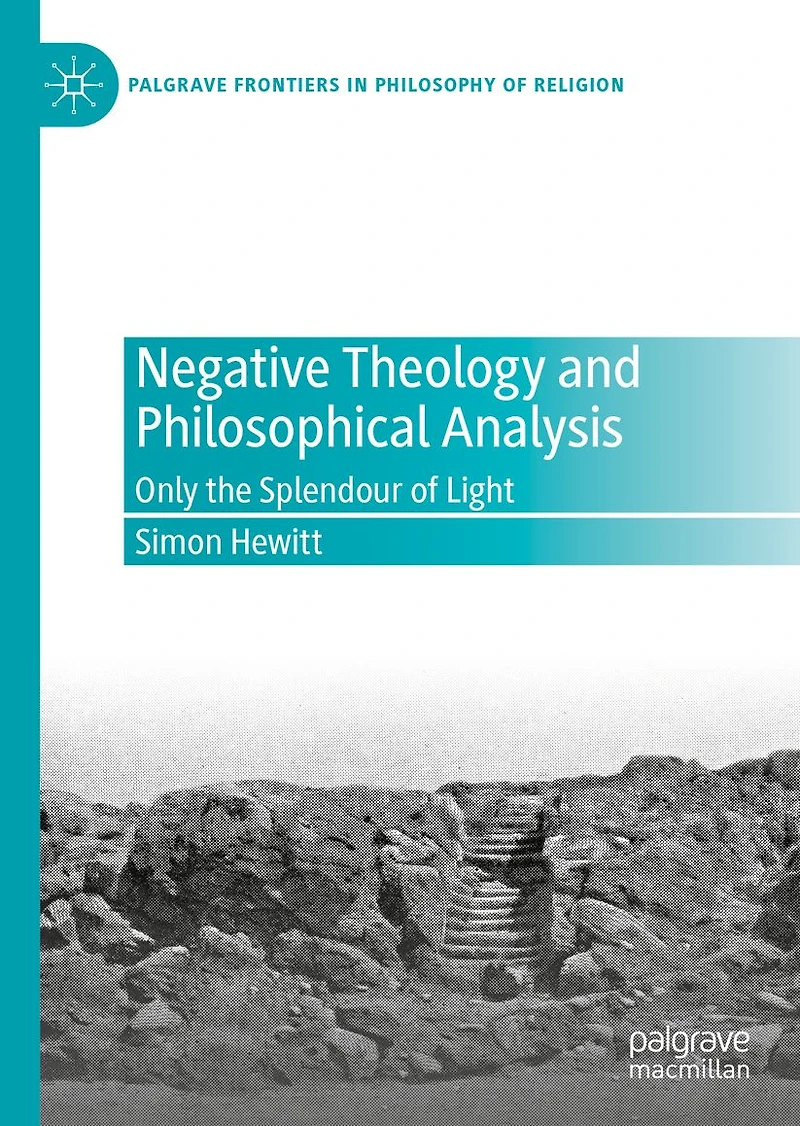
Negative Theology and Philosophical Analysis: Only the Splendour of Light in Bloomington, MN
By Barnes & Noble
Current price: $99.00

Negative Theology and Philosophical Analysis: Only the Splendour of Light in Bloomington, MN
Current price: $99.00
Loading Inventory...
Size: EBook
This book is the first treatment at length of negative, or apophatic, theology within the analytic tradition. Apophatic theology holds that there is a significant sense in which we cannot say what God is. Important negative theological elements are present in a host of Christian thinkers, from Gregory of Nyssa to Aquinas, and yet apophaticism is neglected in philosophical theology as practiced within the analytic tradition. By contrast, Hewitt shows how apophatic theology is integral to how Christians have thought about God, and how it can be defended against standard attacks in the philosophical literature. Hewitt diagnoses the unease with apophaticism amongst contempory philosophical theologicans as rooted in a certain picture of how language functions, here called referentialism. Arguing that this picture is not compulsory, an account of language which sits more comfortably with negative theology (originating from work of later Wittgenstein) is invoked, and appliedto key themes in philosophical theology including divine personhood, the Trinity, the Incarnation and the afterlife.
This book is the first treatment at length of negative, or apophatic, theology within the analytic tradition. Apophatic theology holds that there is a significant sense in which we cannot say what God is. Important negative theological elements are present in a host of Christian thinkers, from Gregory of Nyssa to Aquinas, and yet apophaticism is neglected in philosophical theology as practiced within the analytic tradition. By contrast, Hewitt shows how apophatic theology is integral to how Christians have thought about God, and how it can be defended against standard attacks in the philosophical literature. Hewitt diagnoses the unease with apophaticism amongst contempory philosophical theologicans as rooted in a certain picture of how language functions, here called referentialism. Arguing that this picture is not compulsory, an account of language which sits more comfortably with negative theology (originating from work of later Wittgenstein) is invoked, and appliedto key themes in philosophical theology including divine personhood, the Trinity, the Incarnation and the afterlife.
Shop Similar Products











Find at Mall of America® in Bloomington, MN
Visit at Mall of America® in Bloomington, MN