


Home
Nationalism: Political & Philosophical Essays
Barnes and Noble
Loading Inventory...
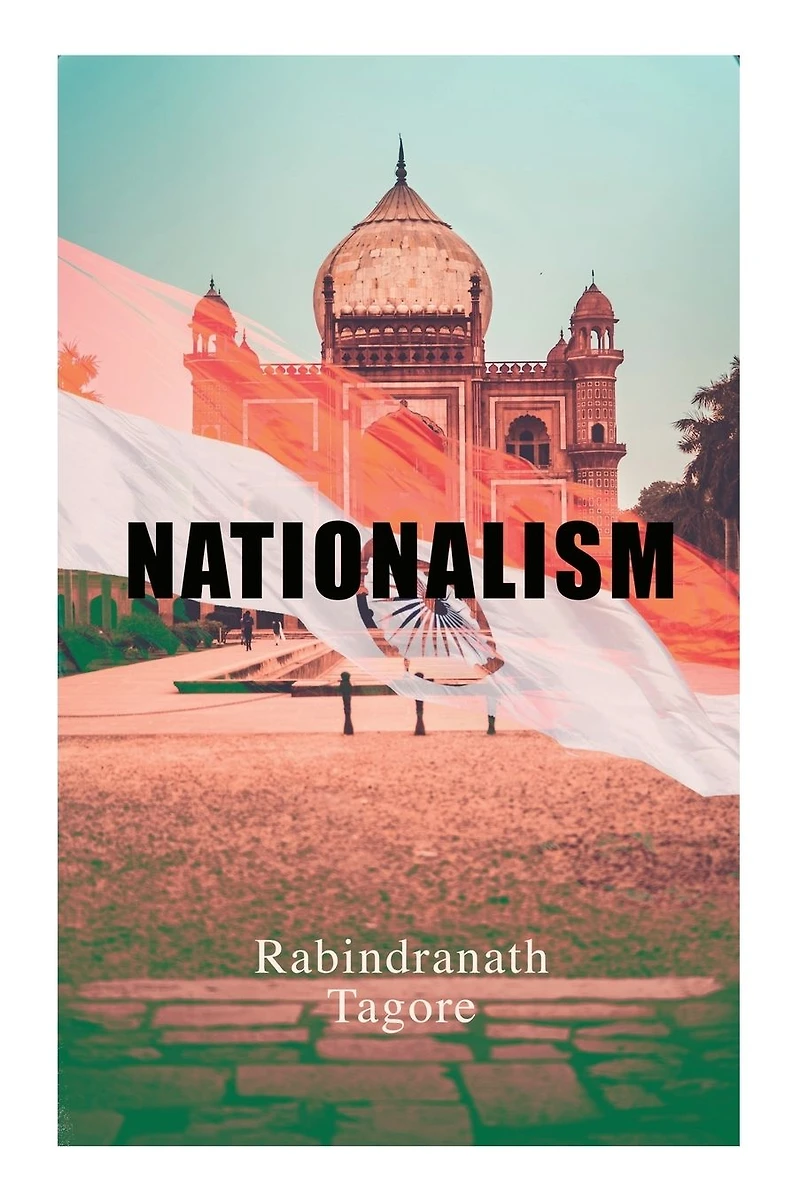
Nationalism: Political & Philosophical Essays in Bloomington, MN
By Barnes & Noble
Current price: $8.40

Nationalism: Political & Philosophical Essays in Bloomington, MN
Current price: $8.40
Loading Inventory...
Size: Paperback
In "Nationalism," Rabindranath Tagore presents a thought-provoking critique of the concept of nationalism, emphasizing its potential to foster division rather than unity. Through a lyrical yet incisive prose style, Tagore examines the political and cultural ramifications of intense national pride, juxtaposing it with a vision of universal humanism. Drawing from his experiences in colonial India and the global context of early 20th-century nationalism, he articulates a compelling argument for the importance of empathy and understanding across nations, making the text highly relevant both historically and in contemporary discussions of identity and nationalism. Rabindranath Tagore, the first non-European Nobel laureate in Literature, was a polymath whose diverse talents spanned literature, music, and philosophy. His rich cultural heritage and deep engagement with both Eastern and Western thought informed his worldview, leading him to explore themes of freedom, identity, and human connection. Tagore's disillusionment with the rise of narrow nationalistic ideologies in response to imperialism was instrumental in shaping his debates and reflections in this seminal work. "Nationalism" is recommended for readers seeking a profound, philosophical exploration of nationalism’s implications. Tagore's insights challenge conventional narratives and invite us to reconsider our relationship with our own identities in an increasingly globalized world. This book serves not only as a historical document but also as a timeless reminder of our shared humanity beyond borders.
In "Nationalism," Rabindranath Tagore presents a thought-provoking critique of the concept of nationalism, emphasizing its potential to foster division rather than unity. Through a lyrical yet incisive prose style, Tagore examines the political and cultural ramifications of intense national pride, juxtaposing it with a vision of universal humanism. Drawing from his experiences in colonial India and the global context of early 20th-century nationalism, he articulates a compelling argument for the importance of empathy and understanding across nations, making the text highly relevant both historically and in contemporary discussions of identity and nationalism. Rabindranath Tagore, the first non-European Nobel laureate in Literature, was a polymath whose diverse talents spanned literature, music, and philosophy. His rich cultural heritage and deep engagement with both Eastern and Western thought informed his worldview, leading him to explore themes of freedom, identity, and human connection. Tagore's disillusionment with the rise of narrow nationalistic ideologies in response to imperialism was instrumental in shaping his debates and reflections in this seminal work. "Nationalism" is recommended for readers seeking a profound, philosophical exploration of nationalism’s implications. Tagore's insights challenge conventional narratives and invite us to reconsider our relationship with our own identities in an increasingly globalized world. This book serves not only as a historical document but also as a timeless reminder of our shared humanity beyond borders.
Shop Similar Products










Find at Mall of America® in Bloomington, MN
Visit at Mall of America® in Bloomington, MN