


Home
Nation, Nationalism and Social Structure in Ancient India
Barnes and Noble
Loading Inventory...
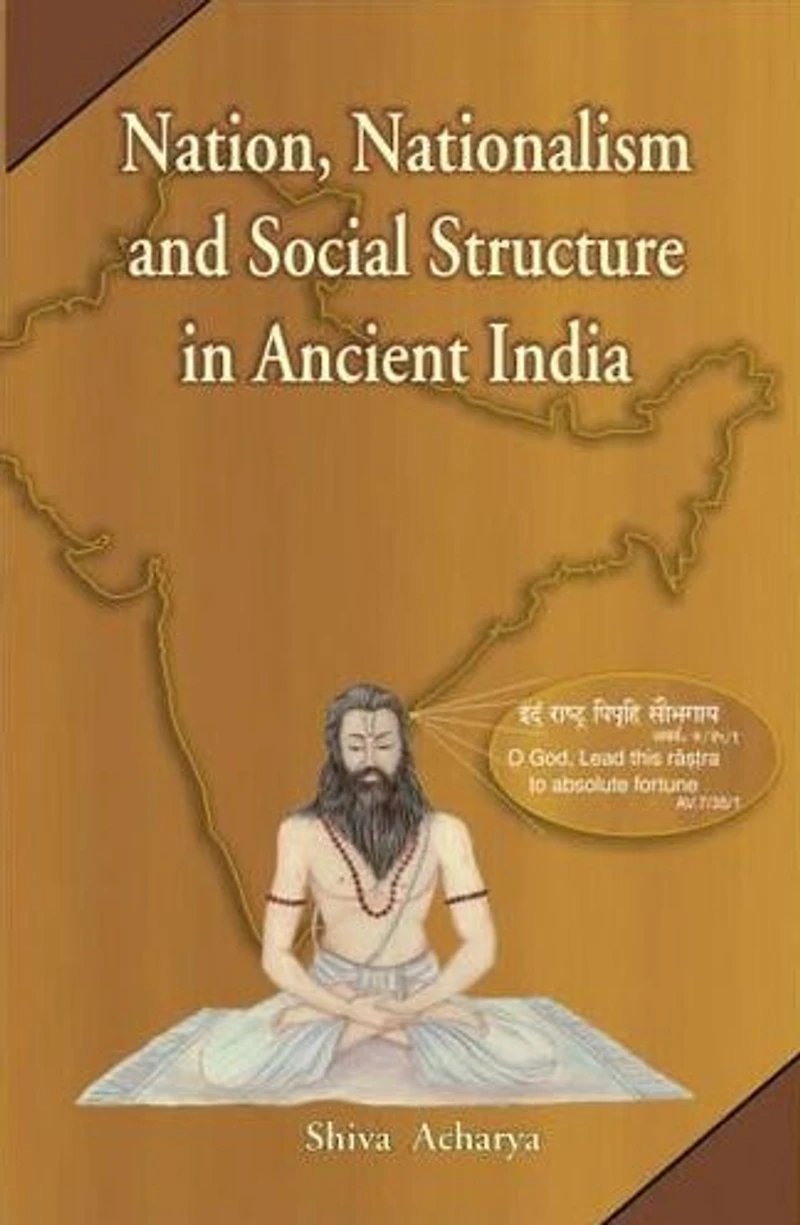
Nation, Nationalism and Social Structure in Ancient India in Bloomington, MN
By Barnes & Noble
Current price: $40.00

Nation, Nationalism and Social Structure in Ancient India in Bloomington, MN
Current price: $40.00
Loading Inventory...
Size: Hardcover
The concepts of nation and nationalism are generally considered as having their genesis in western modes of thought. However, in this book, Dr. Shiva Acharya attempts to show that the theories of nation and nationalism can be traced to the Vedic era on the basis of a painstaking study of the Vedic culture and civilization. The book analyses the social, political, civil and military, economic, religious and philosophical aspects of the Vedic culture to explore the origin of the concepts of rashtra (nation), motherland and rashtrabhakti (patriotism), parliaments, the notion of allround development, democratic educational system, equality of peoples and economic growth for prosperity in Vedic times. Citing from the Vedas and other Vedic literature and a host of modern scholarly researches on the subject, it presents the salient features of the nation and nationalism theories as found in ancient Indian culture such as their stress on culturebased nationalism rather than political. It points out that these features have enabled India to continue with its past traditions and culture and emerge as a successful nation in modern times. The volume will prove indispensable to all students and scholars of Indology and general readers as it unravels the immense contributions of ancient Indian thought to ideas and philosophies that hold great sway in modern times.
The concepts of nation and nationalism are generally considered as having their genesis in western modes of thought. However, in this book, Dr. Shiva Acharya attempts to show that the theories of nation and nationalism can be traced to the Vedic era on the basis of a painstaking study of the Vedic culture and civilization. The book analyses the social, political, civil and military, economic, religious and philosophical aspects of the Vedic culture to explore the origin of the concepts of rashtra (nation), motherland and rashtrabhakti (patriotism), parliaments, the notion of allround development, democratic educational system, equality of peoples and economic growth for prosperity in Vedic times. Citing from the Vedas and other Vedic literature and a host of modern scholarly researches on the subject, it presents the salient features of the nation and nationalism theories as found in ancient Indian culture such as their stress on culturebased nationalism rather than political. It points out that these features have enabled India to continue with its past traditions and culture and emerge as a successful nation in modern times. The volume will prove indispensable to all students and scholars of Indology and general readers as it unravels the immense contributions of ancient Indian thought to ideas and philosophies that hold great sway in modern times.
Shop Similar Products













Find at Mall of America® in Bloomington, MN
Visit at Mall of America® in Bloomington, MN