


Home
Nagô Grandma and White Papa: Candomblé and the Creation of Afro-Brazilian Identity
Barnes and Noble
Loading Inventory...
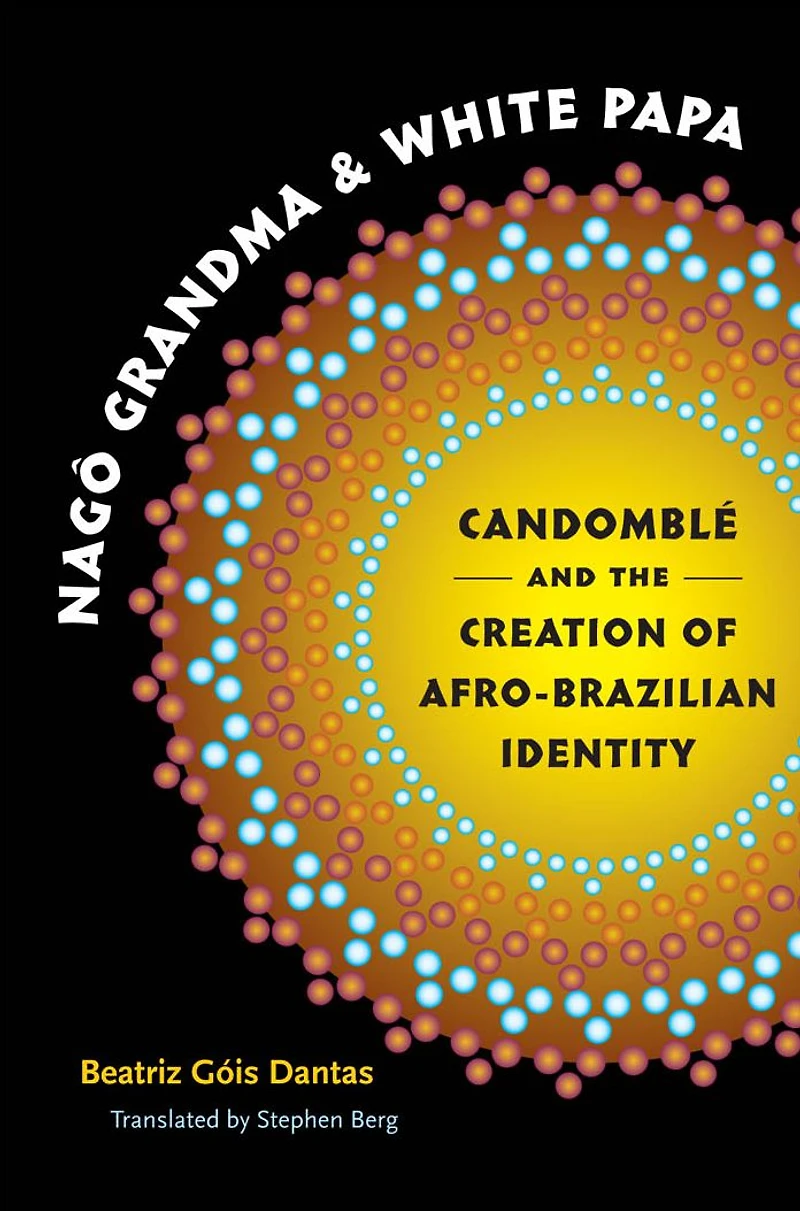
Nagô Grandma and White Papa: Candomblé and the Creation of Afro-Brazilian Identity in Bloomington, MN
By Barnes & Noble
Current price: $29.99

Nagô Grandma and White Papa: Candomblé and the Creation of Afro-Brazilian Identity in Bloomington, MN
Current price: $29.99
Loading Inventory...
Size: EBook
Nagô Grandma and White Papa is a signal work in Brazilian anthropology and African diaspora studies originally published in Brazil in 1988. This edition makes Beatriz Gois Dantas’s historioethnographic study available to an English-speaking audience for the first time.Dantas compares the formation of Yoruba (Nagô) religious traditions and ethnic identities in the Brazilian states of Sergipe and Bahia, revealing how they diverged from each other due to their different social and political contexts and needs. By tracking how markers of supposedly “pure” ethnic identity and religious practice differed radically from one place to another, Dantas shows the social construction of identity within a network of class-related demands and alliances. She demonstrates how the shape and meaning of “purity” have been affected by prolonged and complex social and cultural mixing, compromise, and struggle over time. Ethnic identity, as well as social identity in general, is formed in the crucible of political relations between social groups that purposefully mobilize and manipulate cultural markers to define their respective boundaries — a process, Dantas argues, that must be applied to understanding the experience of African-descended people in Brazil.
Nagô Grandma and White Papa is a signal work in Brazilian anthropology and African diaspora studies originally published in Brazil in 1988. This edition makes Beatriz Gois Dantas’s historioethnographic study available to an English-speaking audience for the first time.Dantas compares the formation of Yoruba (Nagô) religious traditions and ethnic identities in the Brazilian states of Sergipe and Bahia, revealing how they diverged from each other due to their different social and political contexts and needs. By tracking how markers of supposedly “pure” ethnic identity and religious practice differed radically from one place to another, Dantas shows the social construction of identity within a network of class-related demands and alliances. She demonstrates how the shape and meaning of “purity” have been affected by prolonged and complex social and cultural mixing, compromise, and struggle over time. Ethnic identity, as well as social identity in general, is formed in the crucible of political relations between social groups that purposefully mobilize and manipulate cultural markers to define their respective boundaries — a process, Dantas argues, that must be applied to understanding the experience of African-descended people in Brazil.
Shop Similar Products








Find at Mall of America® in Bloomington, MN
Visit at Mall of America® in Bloomington, MN