


Home
Music America's Cold War Diplomacy
Barnes and Noble
Loading Inventory...
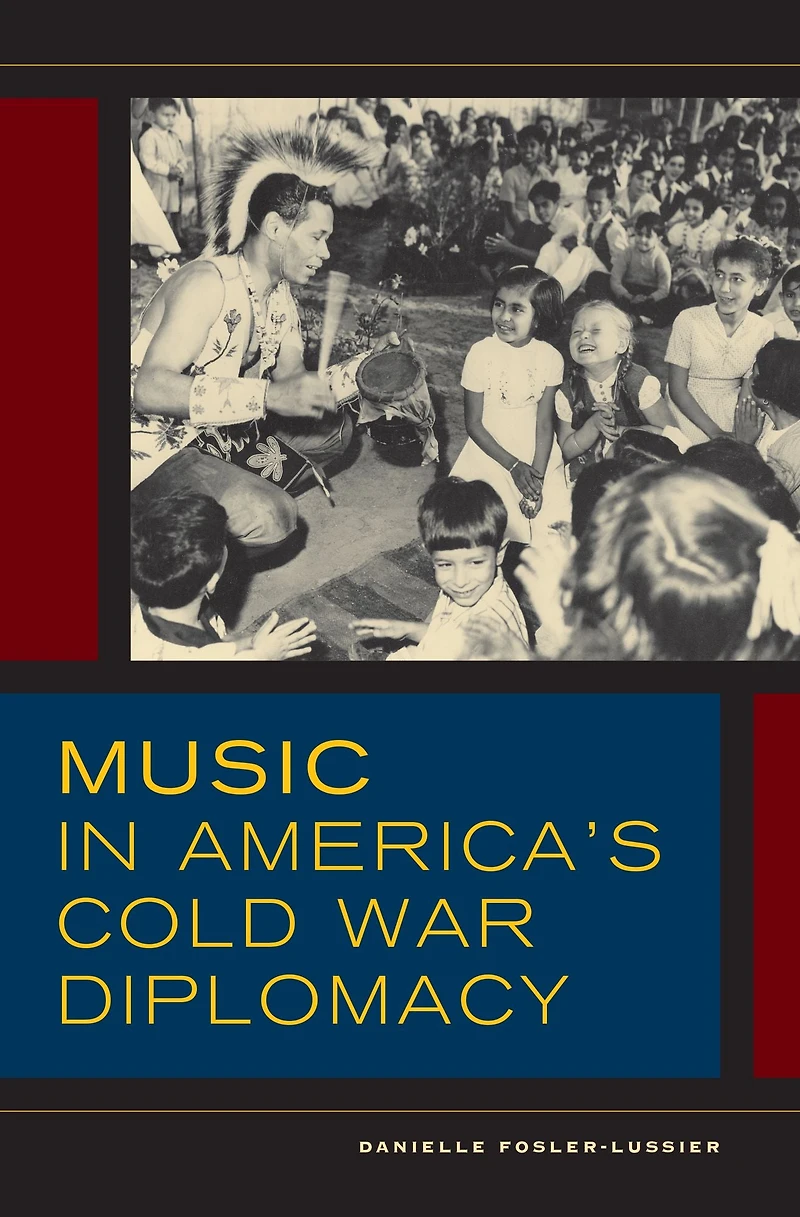
Music America's Cold War Diplomacy in Bloomington, MN
By Barnes & Noble
Current price: $65.00

Music America's Cold War Diplomacy in Bloomington, MN
Current price: $65.00
Loading Inventory...
Size: EBook
During the Cold War, thousands of musicians from the United States traveled the world, sponsored by the U.S. State Department’s Cultural Presentations program. Performances of music in many styles—classical, rock ’n’ roll, folk, blues, and jazz—competed with those by traveling Soviet and mainland Chinese artists, enhancing the prestige of American culture. These concerts offered audiences around the world evidence of America’s improving race relations, excellent musicianship, and generosity toward other peoples. Through personal contacts and the media, musical diplomacy also created subtle musical, social, and political relationships on a global scale. Although born of statesponsored tours often conceived as propaganda ventures, these relationships were in themselves great diplomatic achievements and constituted the essence of America’s soft power. Using archival documents and newly collected oral histories, Danielle FoslerLussier shows that musical diplomacy had vastly different meanings for its various participants, including government officials, musicians, concert promoters, and audiences. Through the stories of musicians from Louis Armstrong and Marian Anderson to orchestras and college choirs, FoslerLussier deftly explores the value and consequences of “musical diplomacy.”
During the Cold War, thousands of musicians from the United States traveled the world, sponsored by the U.S. State Department’s Cultural Presentations program. Performances of music in many styles—classical, rock ’n’ roll, folk, blues, and jazz—competed with those by traveling Soviet and mainland Chinese artists, enhancing the prestige of American culture. These concerts offered audiences around the world evidence of America’s improving race relations, excellent musicianship, and generosity toward other peoples. Through personal contacts and the media, musical diplomacy also created subtle musical, social, and political relationships on a global scale. Although born of statesponsored tours often conceived as propaganda ventures, these relationships were in themselves great diplomatic achievements and constituted the essence of America’s soft power. Using archival documents and newly collected oral histories, Danielle FoslerLussier shows that musical diplomacy had vastly different meanings for its various participants, including government officials, musicians, concert promoters, and audiences. Through the stories of musicians from Louis Armstrong and Marian Anderson to orchestras and college choirs, FoslerLussier deftly explores the value and consequences of “musical diplomacy.”
Shop Similar Products






Find at Mall of America® in Bloomington, MN
Visit at Mall of America® in Bloomington, MN