


Home
Multidimensional Democracy: A Supply and Demand Theory of Representation American Legislatures
Barnes and Noble
Loading Inventory...
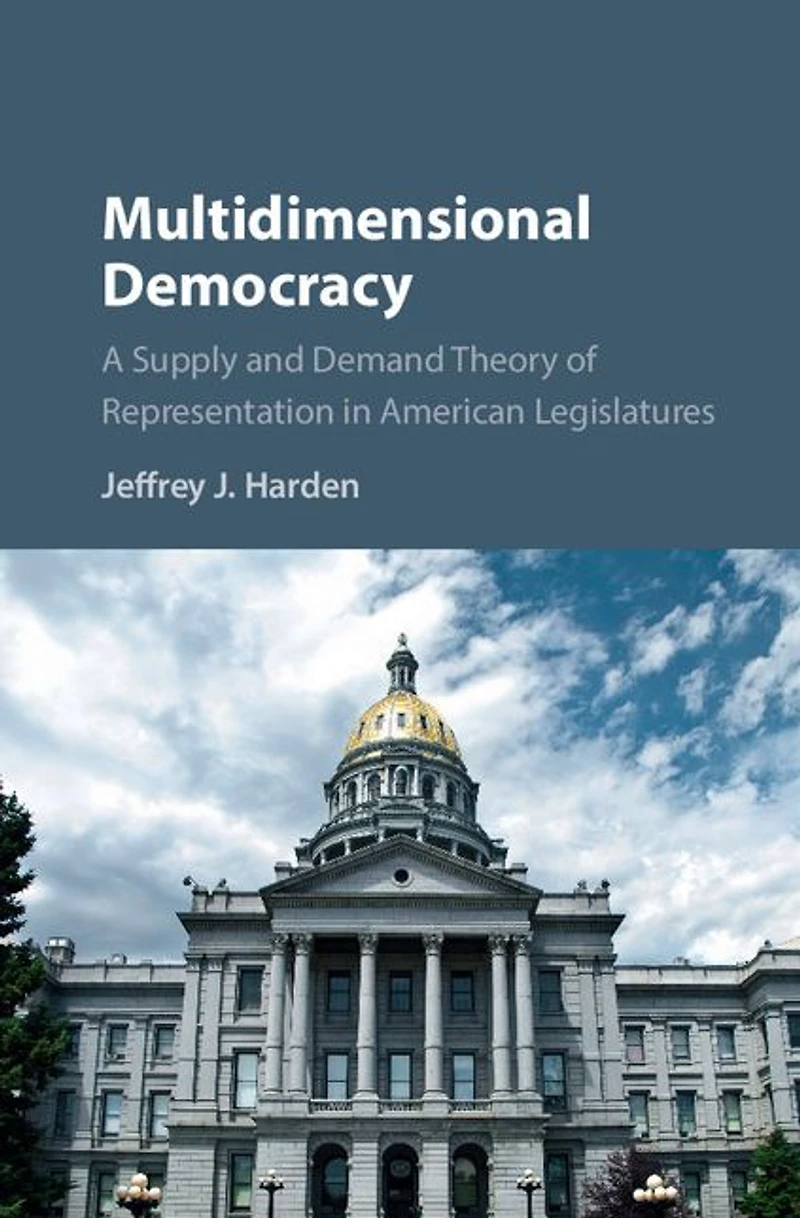
Multidimensional Democracy: A Supply and Demand Theory of Representation American Legislatures in Bloomington, MN
By Barnes & Noble
Current price: $133.00

Multidimensional Democracy: A Supply and Demand Theory of Representation American Legislatures in Bloomington, MN
Current price: $133.00
Loading Inventory...
Size: EBook
Multidimensional Democracy examines political representation from the supply (legislator) and demand (constituent) perspectives. Focusing on four dimensions - policy, service, allocation, and descriptive representation - it documents systematic variation in what people want from legislators and what legislators choose to emphasize while in office. It has important implications for the study of representation, as well as normative questions about political inequality in America. The demand-side results show that constituents who are economically advantaged tend to prefer policy-based representation while the disadvantaged place relatively more importance in constituent service and/or allocation. Suggestive results from the legislator data complement this finding; legislators in wealthy, white districts tend to focus more on policy while those representing economically disadvantaged and racially diverse districts may place more emphasis on service and/or allocation. A likely consequence is that the policy choices made by representatives reflect the policy preferences of the economically advantaged because policy representation is what those citizens want.
Multidimensional Democracy examines political representation from the supply (legislator) and demand (constituent) perspectives. Focusing on four dimensions - policy, service, allocation, and descriptive representation - it documents systematic variation in what people want from legislators and what legislators choose to emphasize while in office. It has important implications for the study of representation, as well as normative questions about political inequality in America. The demand-side results show that constituents who are economically advantaged tend to prefer policy-based representation while the disadvantaged place relatively more importance in constituent service and/or allocation. Suggestive results from the legislator data complement this finding; legislators in wealthy, white districts tend to focus more on policy while those representing economically disadvantaged and racially diverse districts may place more emphasis on service and/or allocation. A likely consequence is that the policy choices made by representatives reflect the policy preferences of the economically advantaged because policy representation is what those citizens want.
Shop Similar Products















Find at Mall of America® in Bloomington, MN
Visit at Mall of America® in Bloomington, MN