


Home
Movement Renaissance Literature: Exploring Kinesic Intelligence
Barnes and Noble
Loading Inventory...
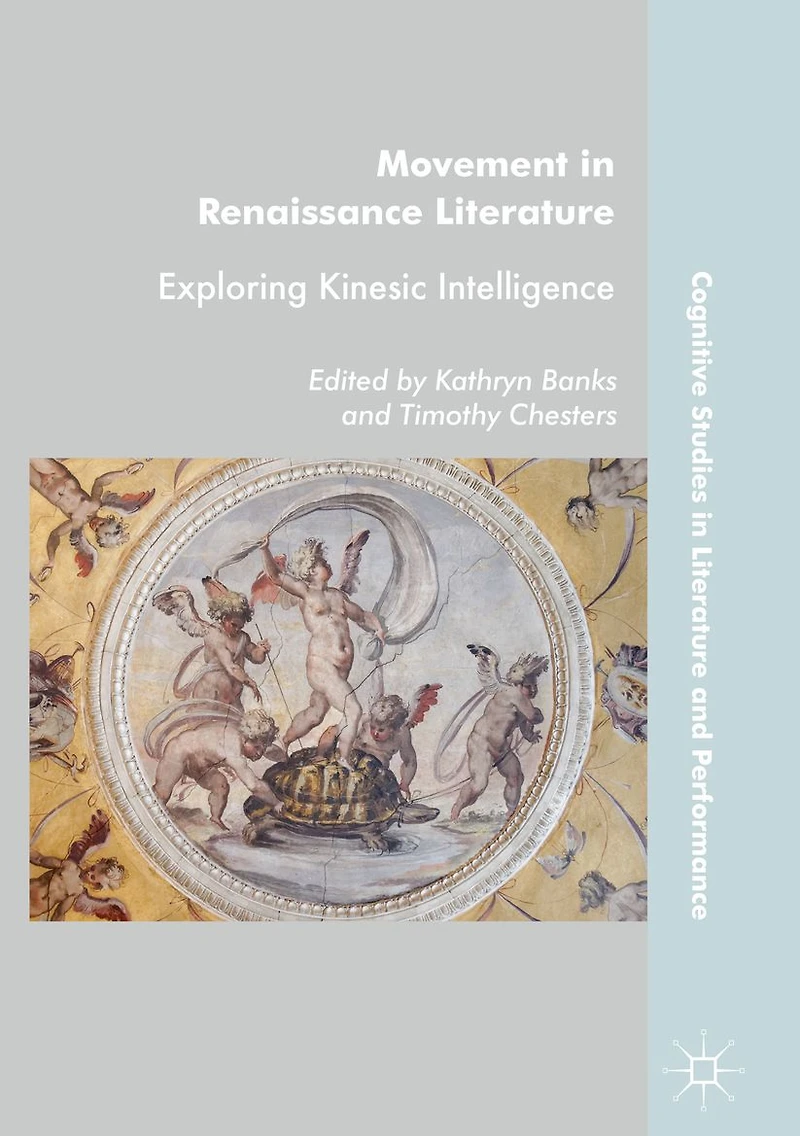
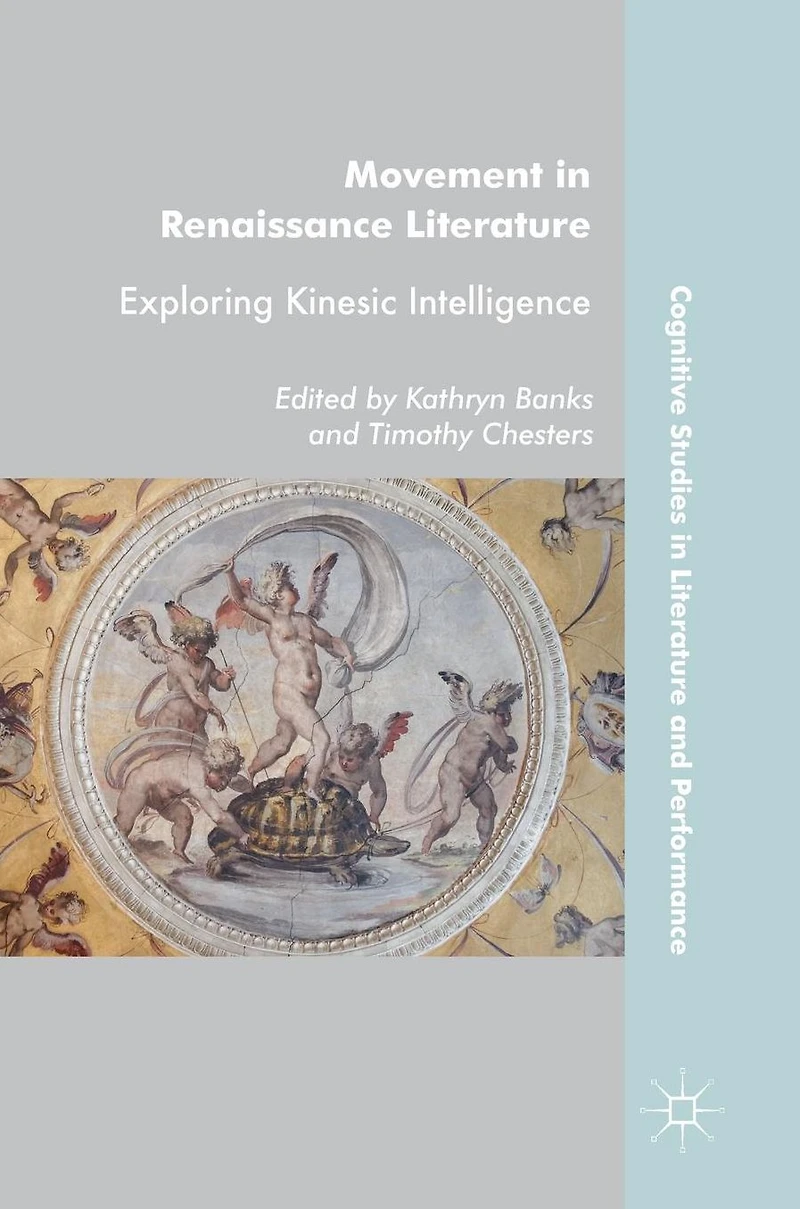
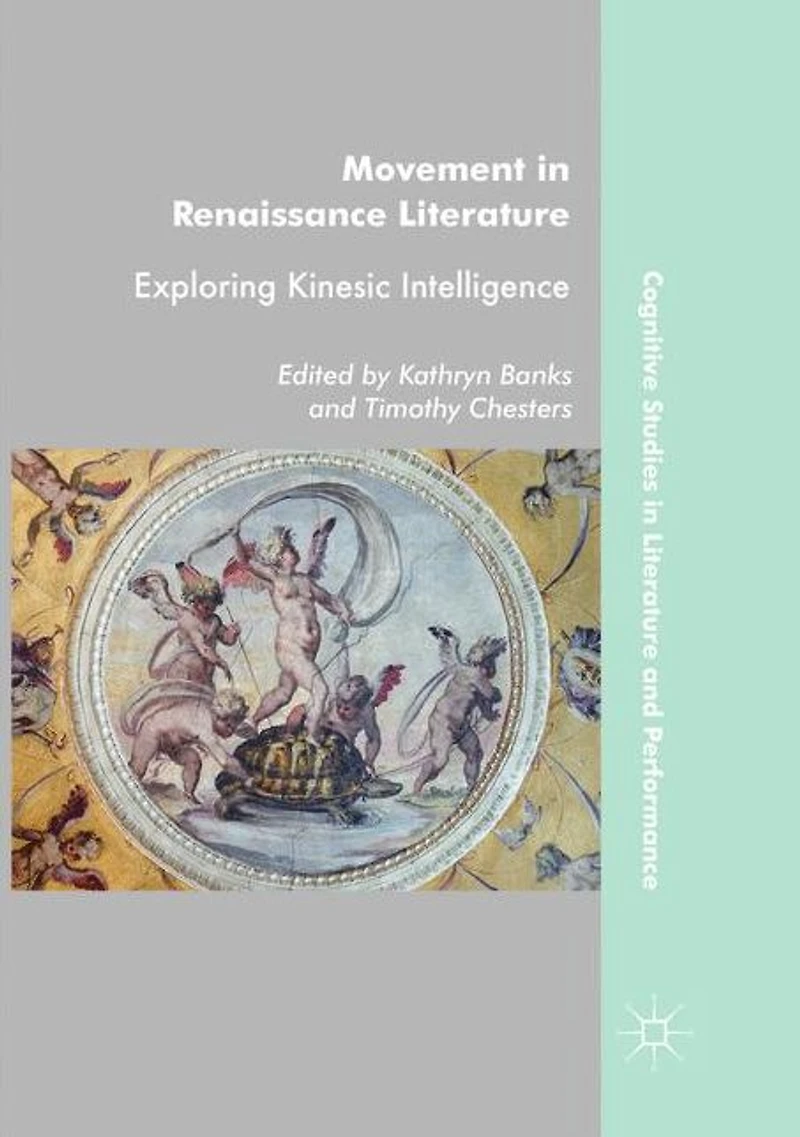
Movement Renaissance Literature: Exploring Kinesic Intelligence in Bloomington, MN
By Barnes & Noble
Current price: $89.99

Movement Renaissance Literature: Exploring Kinesic Intelligence in Bloomington, MN
Current price: $89.99
Loading Inventory...
Size: EBook
This book investigates how writers and readers of Renaissance literature deployed ‘kinesic intelligence’, a combination of pre-reflective bodily response and reflective interpretation. Through analyses of authors including Petrarch, Rabelais, and Shakespeare, the book explores how embodied cognition, historical context, and literary style interact to generate and shape responses to texts. It suggests that what was reborn in the Renaissance was partly a critical sense of the capacities and complexities of bodily movement. The linguistic ingenuity of humanism set bodies in motion in complex and paradoxical ways. Writers engaged anew with the embodied grounding of language, prompting readers to deploy sensorimotor attunement. Actors shaped their bodies according to kinesic intelligence molded by theatrical experience and skill, provoking audiences to respond to their most subtle movements. An approach grounded in kinesic intelligence enables us to re-examine metaphor, rhetoric, ethics, gender, and violence. The book will appeal to scholars and students of English, French, and Italian Renaissance literature and to researchers in the cognitive humanities, cognitive sciences, and theatre studies.
This book investigates how writers and readers of Renaissance literature deployed ‘kinesic intelligence’, a combination of pre-reflective bodily response and reflective interpretation. Through analyses of authors including Petrarch, Rabelais, and Shakespeare, the book explores how embodied cognition, historical context, and literary style interact to generate and shape responses to texts. It suggests that what was reborn in the Renaissance was partly a critical sense of the capacities and complexities of bodily movement. The linguistic ingenuity of humanism set bodies in motion in complex and paradoxical ways. Writers engaged anew with the embodied grounding of language, prompting readers to deploy sensorimotor attunement. Actors shaped their bodies according to kinesic intelligence molded by theatrical experience and skill, provoking audiences to respond to their most subtle movements. An approach grounded in kinesic intelligence enables us to re-examine metaphor, rhetoric, ethics, gender, and violence. The book will appeal to scholars and students of English, French, and Italian Renaissance literature and to researchers in the cognitive humanities, cognitive sciences, and theatre studies.
Shop Similar Products













Find at Mall of America® in Bloomington, MN
Visit at Mall of America® in Bloomington, MN