


Home
Mortal and Divine Early Greek Epistemology: A Study of Hesiod, Xenophanes Parmenides
Barnes and Noble
Loading Inventory...
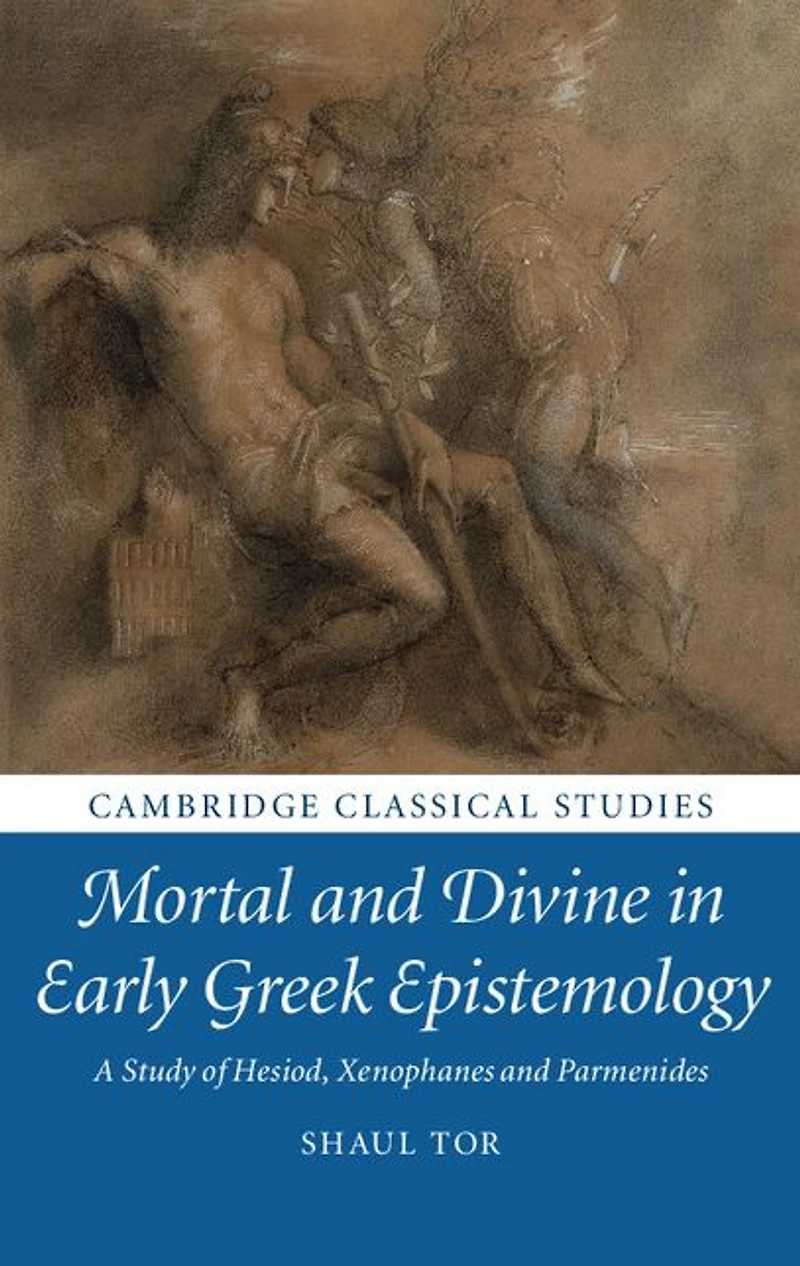
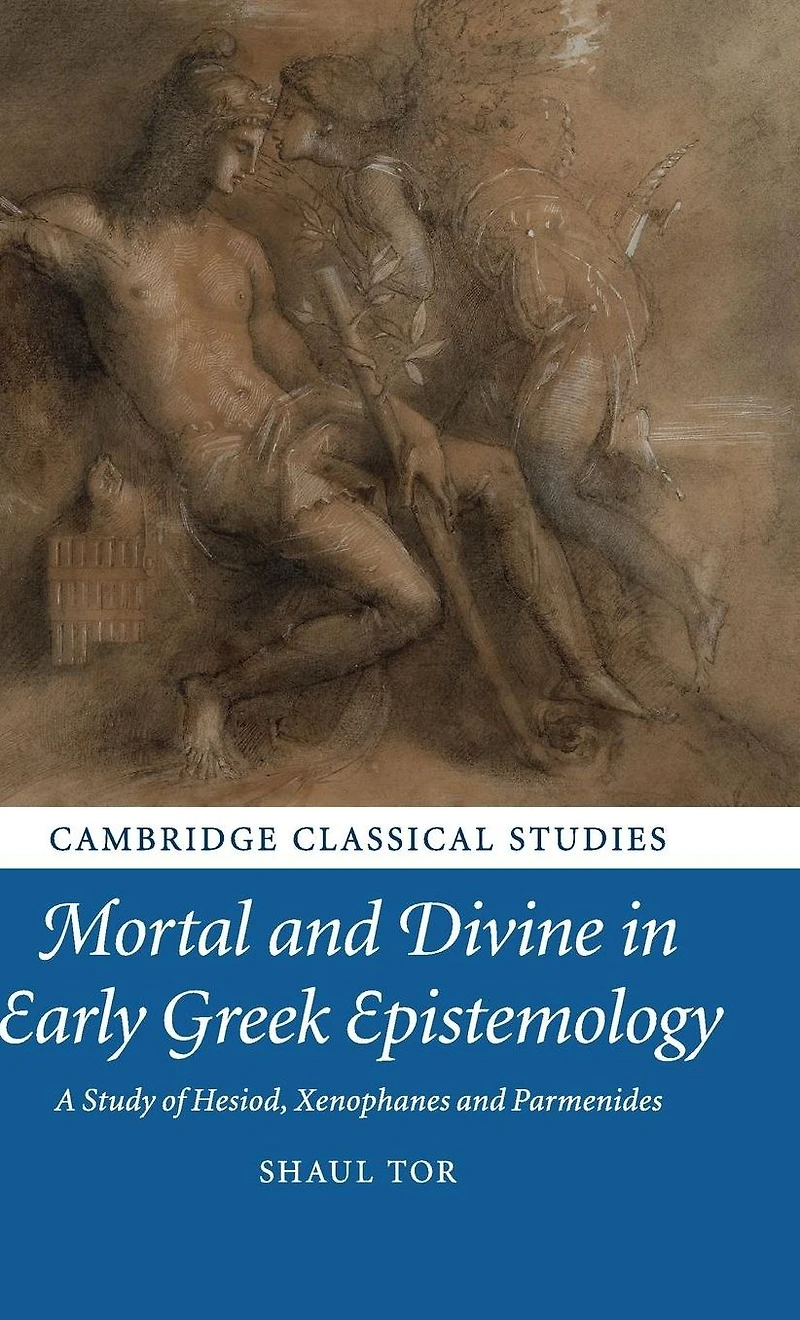
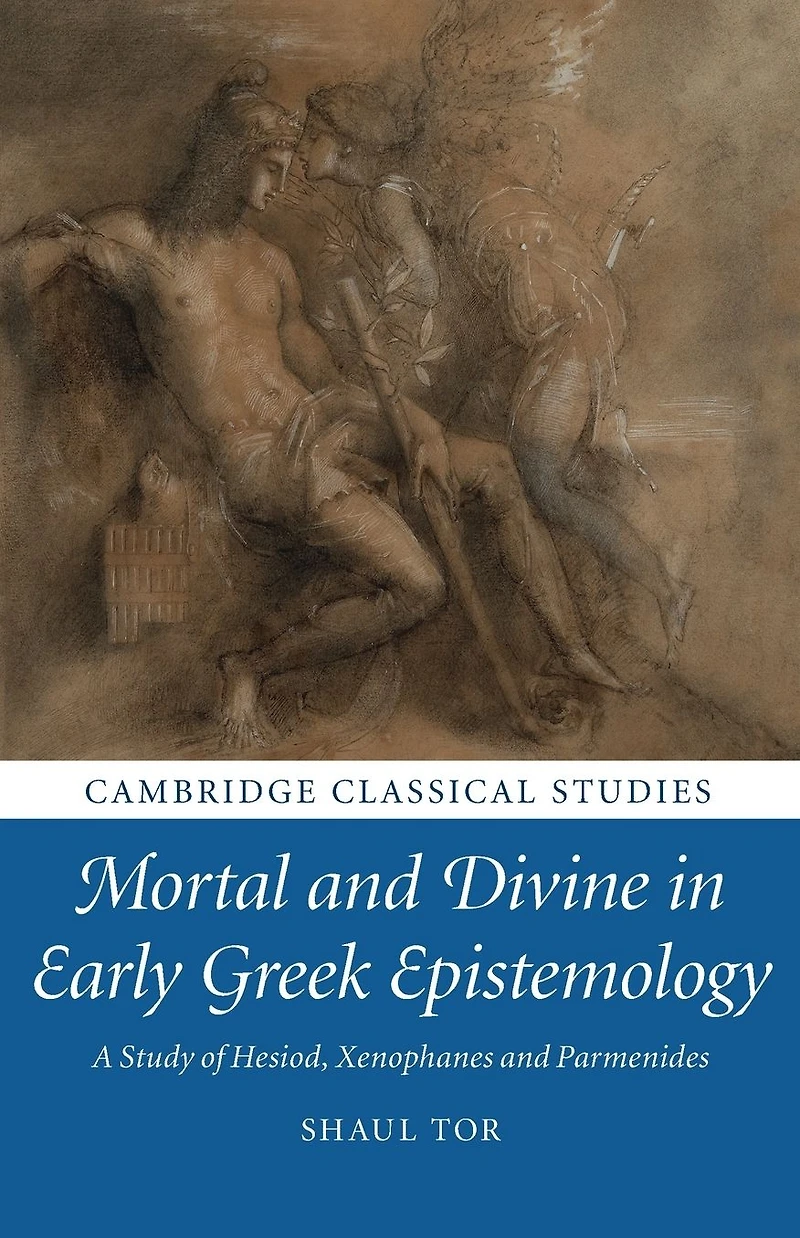
Mortal and Divine Early Greek Epistemology: A Study of Hesiod, Xenophanes Parmenides in Bloomington, MN
By Barnes & Noble
Current price: $53.00

Mortal and Divine Early Greek Epistemology: A Study of Hesiod, Xenophanes Parmenides in Bloomington, MN
Current price: $53.00
Loading Inventory...
Size: EBook
This book demonstrates that we need not choose between seeing so-called Presocratic thinkers as rational philosophers or as religious sages. In particular, it rethinks fundamentally the emergence of systematic epistemology and reflection on speculative inquiry in Hesiod, Xenophanes and Parmenides. Shaul Tor argues that different forms of reasoning, and different models of divine disclosure, play equally integral, harmonious and mutually illuminating roles in early Greek epistemology. Throughout, the book relates these thinkers to their religious, literary and historical surroundings. It is thus also, and inseparably, a study of poetic inspiration, divination, mystery initiation, metempsychosis and other early Greek attitudes to the relations and interactions between mortal and divine. The engagements of early philosophers with such religious attitudes present us with complex combinations of criticisms and creative appropriations. Indeed, the early milestones of philosophical epistemology studied here themselves reflect an essentially theological enterprise and, as such, one aspect of Greek religion.
This book demonstrates that we need not choose between seeing so-called Presocratic thinkers as rational philosophers or as religious sages. In particular, it rethinks fundamentally the emergence of systematic epistemology and reflection on speculative inquiry in Hesiod, Xenophanes and Parmenides. Shaul Tor argues that different forms of reasoning, and different models of divine disclosure, play equally integral, harmonious and mutually illuminating roles in early Greek epistemology. Throughout, the book relates these thinkers to their religious, literary and historical surroundings. It is thus also, and inseparably, a study of poetic inspiration, divination, mystery initiation, metempsychosis and other early Greek attitudes to the relations and interactions between mortal and divine. The engagements of early philosophers with such religious attitudes present us with complex combinations of criticisms and creative appropriations. Indeed, the early milestones of philosophical epistemology studied here themselves reflect an essentially theological enterprise and, as such, one aspect of Greek religion.











Find at Mall of America® in Bloomington, MN
Visit at Mall of America® in Bloomington, MN