


Home
More Heat than Light: Economics as Social Physics, Physics Nature's
Barnes and Noble
Loading Inventory...
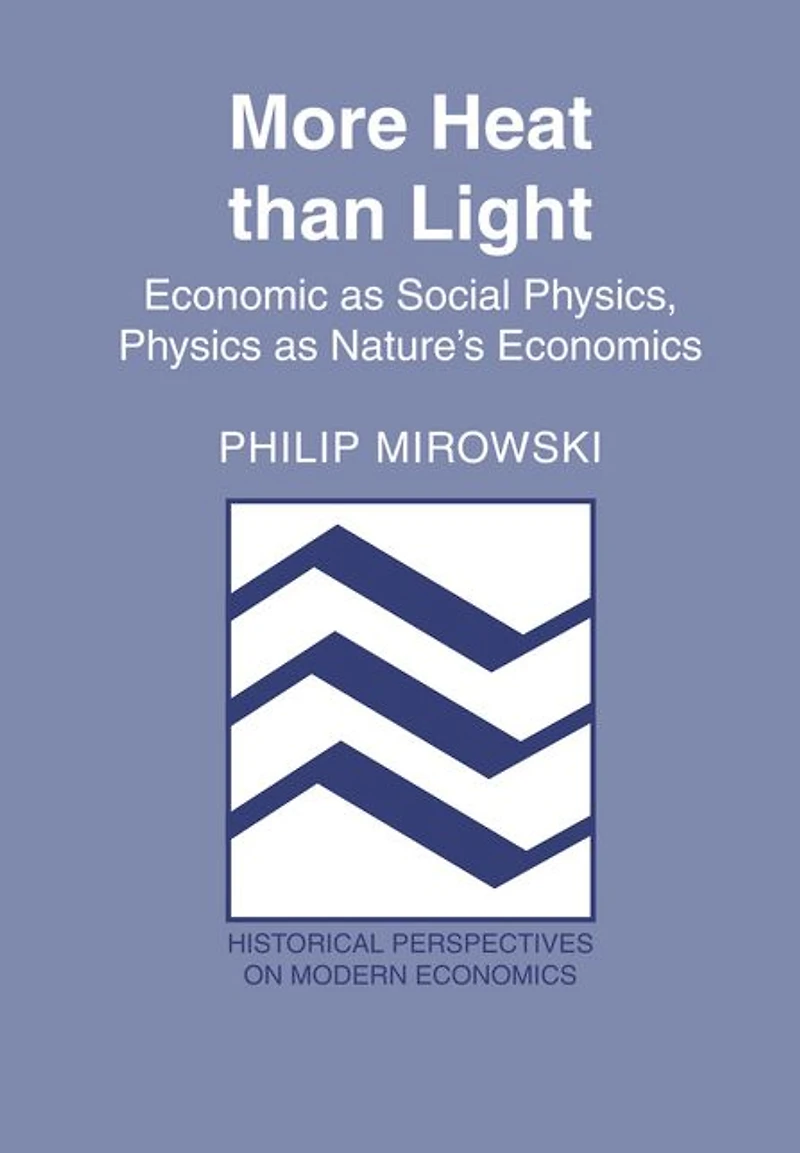
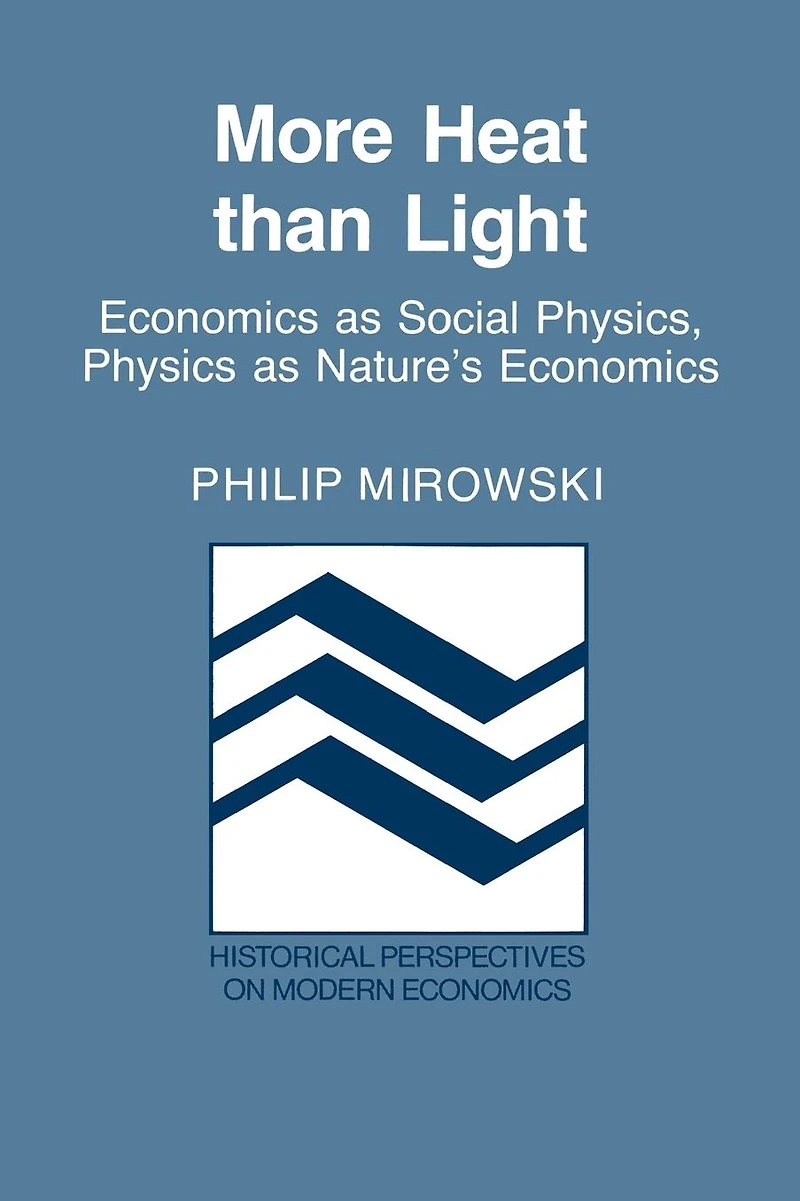
More Heat than Light: Economics as Social Physics, Physics Nature's in Bloomington, MN
By Barnes & Noble
Current price: $70.00

More Heat than Light: Economics as Social Physics, Physics Nature's in Bloomington, MN
Current price: $70.00
Loading Inventory...
Size: EBook
More Heat Than Light is a history of how physics has drawn some inspiration from economics and also how economics has sought to emulate physics, especially with regard to the theory of value. It traces the development of the energy concept in Western physics and its subsequent effect upon the invention and promulgation of neoclassical economics. Any discussion of the standing of economics as a science must include the historical symbiosis between the two disciplines. Starting with the philosopher Emile Meyerson's discussion of the relationship between notions of invariance and causality in the history of science, the book surveys the history of conservation principles in the Western discussion of motion. Recourse to the metaphors of the economy are frequent in physics, and the concepts of value, motion, and body reinforced each other throughout the development of both disciplines, especially with regard to practices of mathematical formalisation. However, in economics subsequent misuse of conservation principles led to serious blunders in the mathematical formalisation of economic theory. The book attempts to provide the reader with sufficient background in the history of physics in order to appreciate its theses. The discussion is technically detailed and complex, and familiarity with calculus is required.
More Heat Than Light is a history of how physics has drawn some inspiration from economics and also how economics has sought to emulate physics, especially with regard to the theory of value. It traces the development of the energy concept in Western physics and its subsequent effect upon the invention and promulgation of neoclassical economics. Any discussion of the standing of economics as a science must include the historical symbiosis between the two disciplines. Starting with the philosopher Emile Meyerson's discussion of the relationship between notions of invariance and causality in the history of science, the book surveys the history of conservation principles in the Western discussion of motion. Recourse to the metaphors of the economy are frequent in physics, and the concepts of value, motion, and body reinforced each other throughout the development of both disciplines, especially with regard to practices of mathematical formalisation. However, in economics subsequent misuse of conservation principles led to serious blunders in the mathematical formalisation of economic theory. The book attempts to provide the reader with sufficient background in the history of physics in order to appreciate its theses. The discussion is technically detailed and complex, and familiarity with calculus is required.
Shop Similar Products















Find at Mall of America® in Bloomington, MN
Visit at Mall of America® in Bloomington, MN