


Home
Moral Authority, Men of Science, and the Victorian Novel
Barnes and Noble
Loading Inventory...
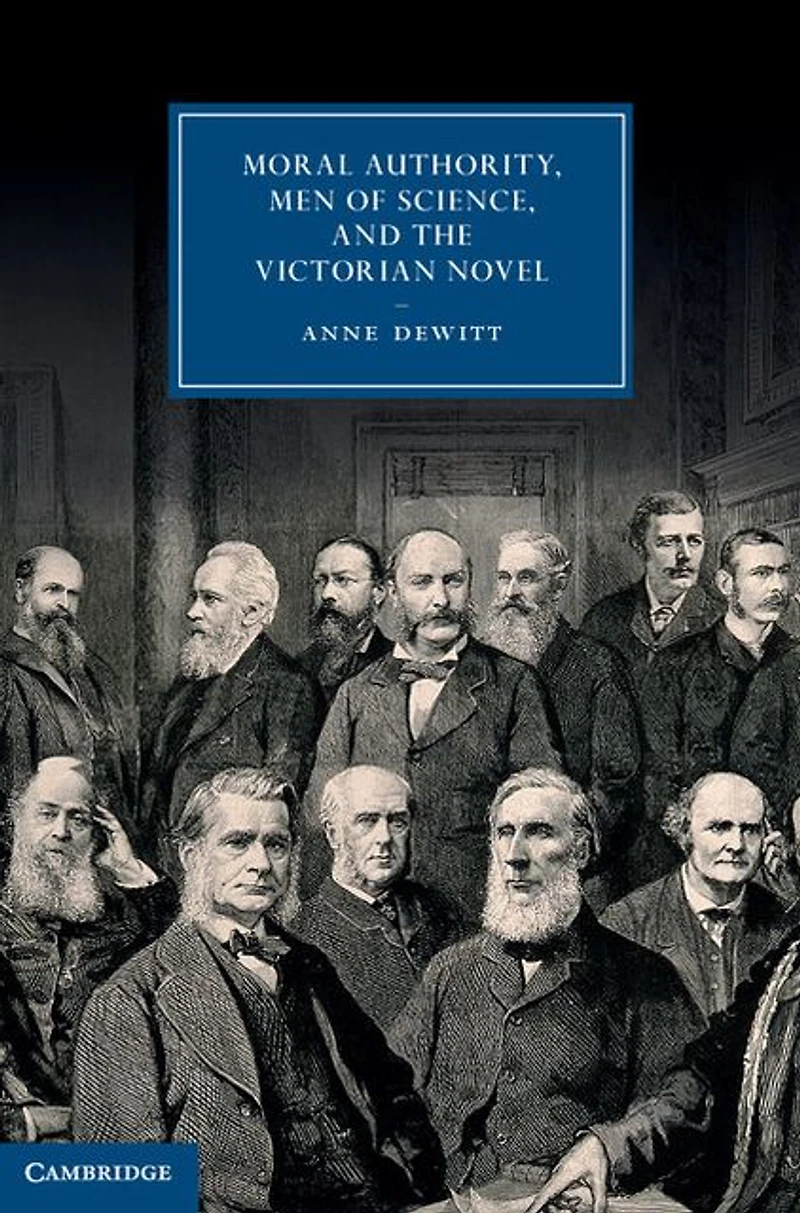
Moral Authority, Men of Science, and the Victorian Novel in Bloomington, MN
By Barnes & Noble
Current price: $47.00

Moral Authority, Men of Science, and the Victorian Novel in Bloomington, MN
Current price: $47.00
Loading Inventory...
Size: EBook
Nineteenth-century men of science aligned scientific practice with moral excellence as part of an endeavor to secure cultural authority for their discipline. Anne DeWitt examines how novelists from Elizabeth Gaskell to H. G. Wells responded to this alignment. Revising the widespread assumption that Victorian science and literature were part of one culture, she argues that the professionalization of science prompted novelists to deny that science offered widely accessible moral benefits. Instead, they represented the narrow aspirations of the professional as morally detrimental while they asserted that moral concerns were the novel's own domain of professional expertise. This book draws on works of natural theology, popular lectures, and debates from the pages of periodicals to delineate changes in the status of science and to show how both familiar and neglected works of Victorian fiction sought to redefine the relationship between science and the novel.
Nineteenth-century men of science aligned scientific practice with moral excellence as part of an endeavor to secure cultural authority for their discipline. Anne DeWitt examines how novelists from Elizabeth Gaskell to H. G. Wells responded to this alignment. Revising the widespread assumption that Victorian science and literature were part of one culture, she argues that the professionalization of science prompted novelists to deny that science offered widely accessible moral benefits. Instead, they represented the narrow aspirations of the professional as morally detrimental while they asserted that moral concerns were the novel's own domain of professional expertise. This book draws on works of natural theology, popular lectures, and debates from the pages of periodicals to delineate changes in the status of science and to show how both familiar and neglected works of Victorian fiction sought to redefine the relationship between science and the novel.
Shop Similar Products








Find at Mall of America® in Bloomington, MN
Visit at Mall of America® in Bloomington, MN