


Home
Molecular Systematics of Plants
Barnes and Noble
Loading Inventory...
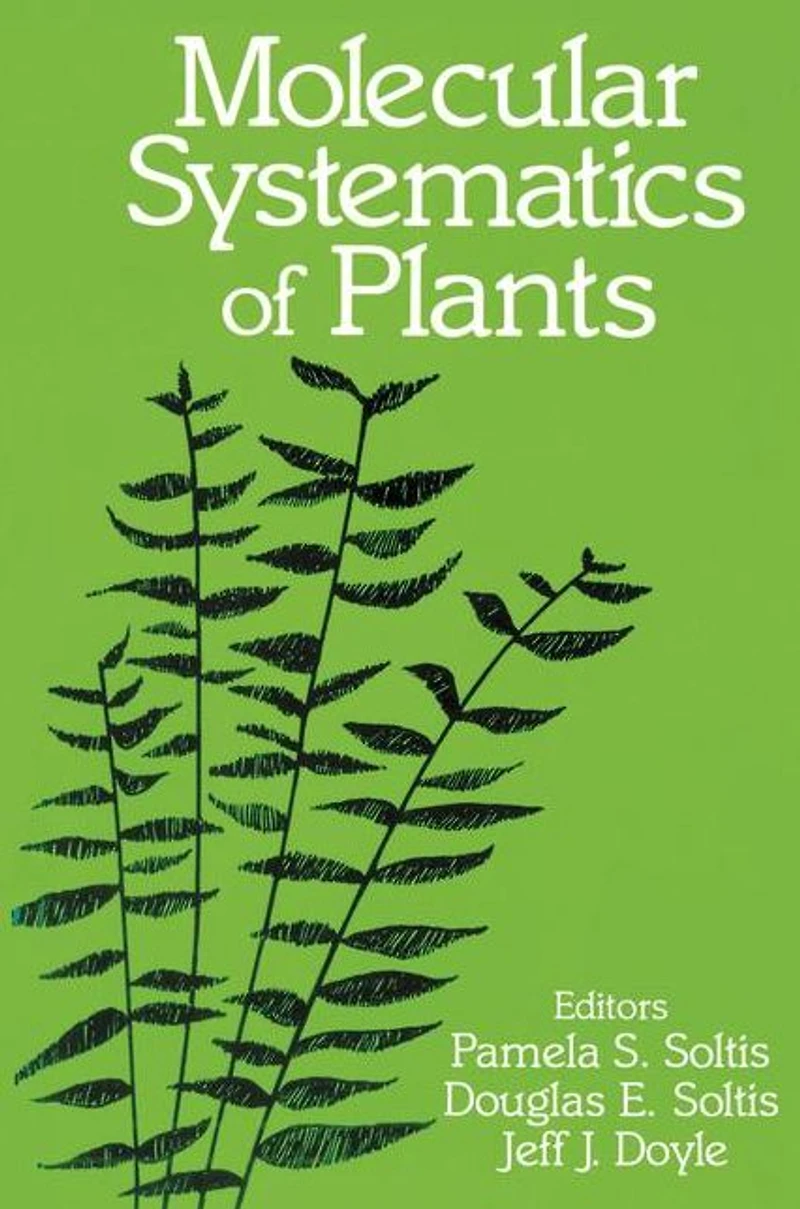
Molecular Systematics of Plants in Bloomington, MN
By Barnes & Noble
Current price: $219.99

Molecular Systematics of Plants in Bloomington, MN
Current price: $219.99
Loading Inventory...
Size: Paperback
The application of molecular techniques is rapidly transforming the study of plant systematics. The precision they offer enables researchers to classify plants that have not been subject to rigorous classification before and thus allows them to obtain a clearer picture of evolutionary relationships. Plant Molecular Systematics is arranged both conceptually and phylogenetically to accommodate the interests not only of general systematists, but also those of people interested in a particular plant family. The first part discusses molecular sequencing; the second reviews restriction site analysis and the sequencing of mihondrial DNA. A third section details the analysis of ribosomal DNA and chloroplast DNA. The following section introduces model studies involving well-studied families such as the Onagraceae, Compositae and Leguminosae. The book concludes with a section addressing theoretical topics such as data analysis and the question of morphological vs. molecular data.
The application of molecular techniques is rapidly transforming the study of plant systematics. The precision they offer enables researchers to classify plants that have not been subject to rigorous classification before and thus allows them to obtain a clearer picture of evolutionary relationships. Plant Molecular Systematics is arranged both conceptually and phylogenetically to accommodate the interests not only of general systematists, but also those of people interested in a particular plant family. The first part discusses molecular sequencing; the second reviews restriction site analysis and the sequencing of mihondrial DNA. A third section details the analysis of ribosomal DNA and chloroplast DNA. The following section introduces model studies involving well-studied families such as the Onagraceae, Compositae and Leguminosae. The book concludes with a section addressing theoretical topics such as data analysis and the question of morphological vs. molecular data.
Shop Similar Products















Find at Mall of America® in Bloomington, MN
Visit at Mall of America® in Bloomington, MN