


Home
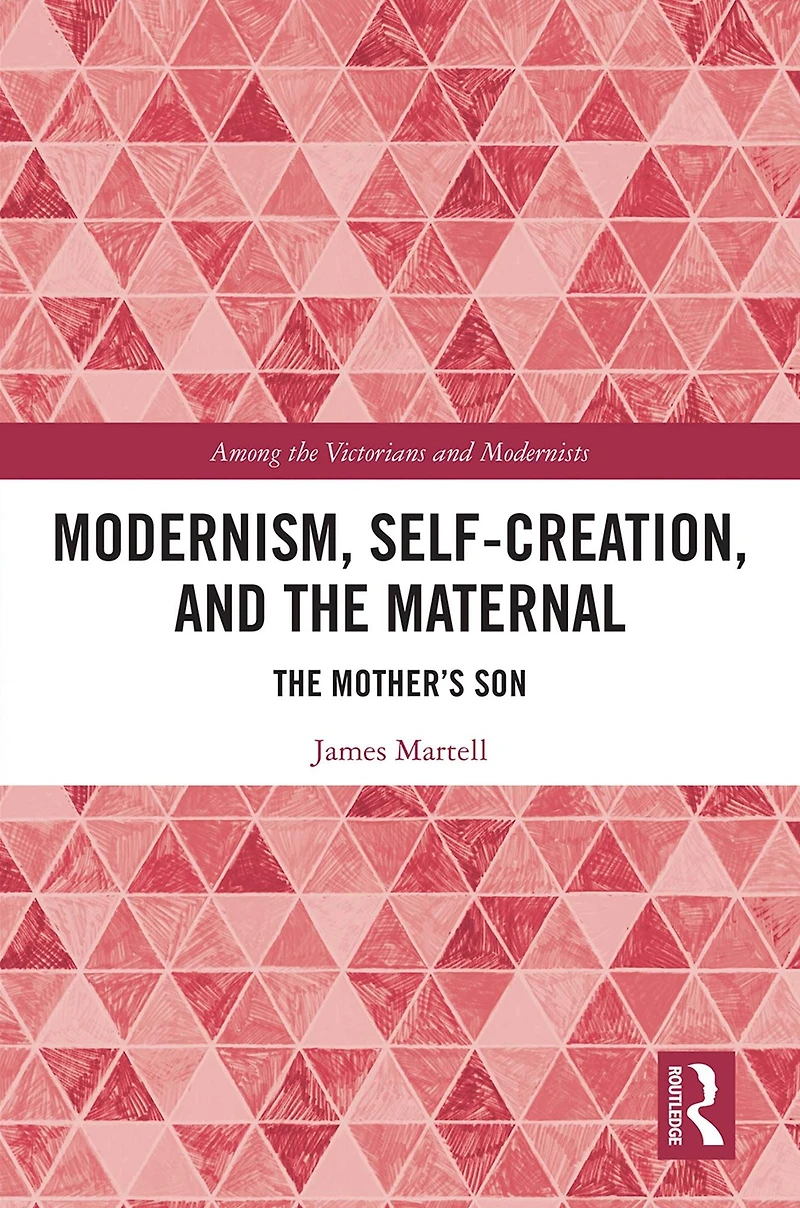
Modernism, Self-Creation, and The Maternal: Mother's Son
Barnes and Noble
Loading Inventory...
Modernism, Self-Creation, and The Maternal: Mother's Son in Bloomington, MN
By Barnes & Noble
Current price: $64.99

Modernism, Self-Creation, and The Maternal: Mother's Son in Bloomington, MN
Current price: $64.99
Loading Inventory...
Size: EBook
Focusing on their conception and use of the notion of the mother, Modernism, Self-Creation, and the Maternal proposes a new interpretation of literature by modernist authors like Rousseau, Baudelaire, Poe, Rimbaud, Rilke, Joyce, and Beckett. Seen through this maternal relation, their writing appears as the product of an "anxiety" rising not from paternal influence, but from the violence done to their mother in their attempts at self-creation through writing. In order to bring to light this modernist violence, this study analyzes these authors in tandem with Derrida’s work on the gender-specific violence of the Western philosophical and literary tradition. The book demonstrates how these writer-sons wrote their works in a constant crisis vis-à-vis the mother’s body as site of both origin and dissolution. It proves how, if modernism was first established as a patrilineal heritage, it was ultimately written on the bodies of women and mothers, confusing them in order to appropriate their generative traits.
Focusing on their conception and use of the notion of the mother, Modernism, Self-Creation, and the Maternal proposes a new interpretation of literature by modernist authors like Rousseau, Baudelaire, Poe, Rimbaud, Rilke, Joyce, and Beckett. Seen through this maternal relation, their writing appears as the product of an "anxiety" rising not from paternal influence, but from the violence done to their mother in their attempts at self-creation through writing. In order to bring to light this modernist violence, this study analyzes these authors in tandem with Derrida’s work on the gender-specific violence of the Western philosophical and literary tradition. The book demonstrates how these writer-sons wrote their works in a constant crisis vis-à-vis the mother’s body as site of both origin and dissolution. It proves how, if modernism was first established as a patrilineal heritage, it was ultimately written on the bodies of women and mothers, confusing them in order to appropriate their generative traits.
Shop Similar Products











Find at Mall of America® in Bloomington, MN
Visit at Mall of America® in Bloomington, MN