


Home
Mitochondria and Anaerobic Energy Metabolism Eukaryotes: Biochemistry Evolution
Barnes and Noble
Loading Inventory...
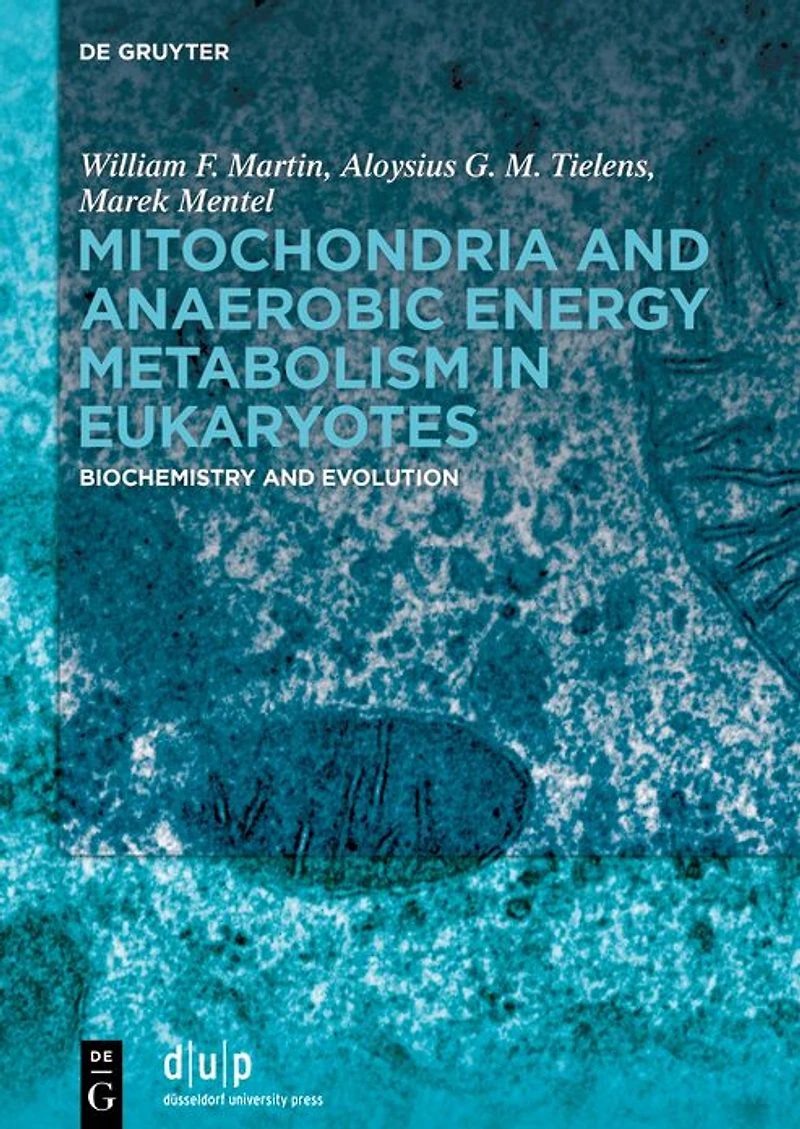

Mitochondria and Anaerobic Energy Metabolism Eukaryotes: Biochemistry Evolution in Bloomington, MN
By Barnes & Noble
Current price: $149.99

Mitochondria and Anaerobic Energy Metabolism Eukaryotes: Biochemistry Evolution in Bloomington, MN
Current price: $149.99
Loading Inventory...
Size: EBook
Mitochondria are sometimes called the powerhouses of eukaryotic cells, because mitochondria are the site of ATP synthesis in the cell. ATP is the universal energy currency, it provides the power that runs all other life processes. Humans need oxygen to survive because of ATP synthesis in mitochondria. The sugars from our diet are converted to carbon dioxide in mitochondria in a process that requires oxygen. Just like a fire needs oxygen to burn, our mitochondria need oxygen to make ATP. From textbooks and popular literature one can easily get the impression that all mitochondria require oxygen. But that is not the case. There are many groups of organismsm known that make ATP in mitochondria without the help of oxygen. They have preserved biochemical relicts from the early evolution of eukaryotic cells, which took place during times in Earth history when there was hardly any oxygen avaiable, certainly not enough to breathe. How the anaerobic forms of mitochondria work, in which organisms they occur, and how the eukaryotic anaerobes that possess them fit into the larger picture of rising atmospheric oxygen during Earth history are the topic of this book.
Mitochondria are sometimes called the powerhouses of eukaryotic cells, because mitochondria are the site of ATP synthesis in the cell. ATP is the universal energy currency, it provides the power that runs all other life processes. Humans need oxygen to survive because of ATP synthesis in mitochondria. The sugars from our diet are converted to carbon dioxide in mitochondria in a process that requires oxygen. Just like a fire needs oxygen to burn, our mitochondria need oxygen to make ATP. From textbooks and popular literature one can easily get the impression that all mitochondria require oxygen. But that is not the case. There are many groups of organismsm known that make ATP in mitochondria without the help of oxygen. They have preserved biochemical relicts from the early evolution of eukaryotic cells, which took place during times in Earth history when there was hardly any oxygen avaiable, certainly not enough to breathe. How the anaerobic forms of mitochondria work, in which organisms they occur, and how the eukaryotic anaerobes that possess them fit into the larger picture of rising atmospheric oxygen during Earth history are the topic of this book.
Shop Similar Products













Find at Mall of America® in Bloomington, MN
Visit at Mall of America® in Bloomington, MN