


Home
Metrics of Modernity: Art and Development in Postwar Turkey
Barnes and Noble
Loading Inventory...
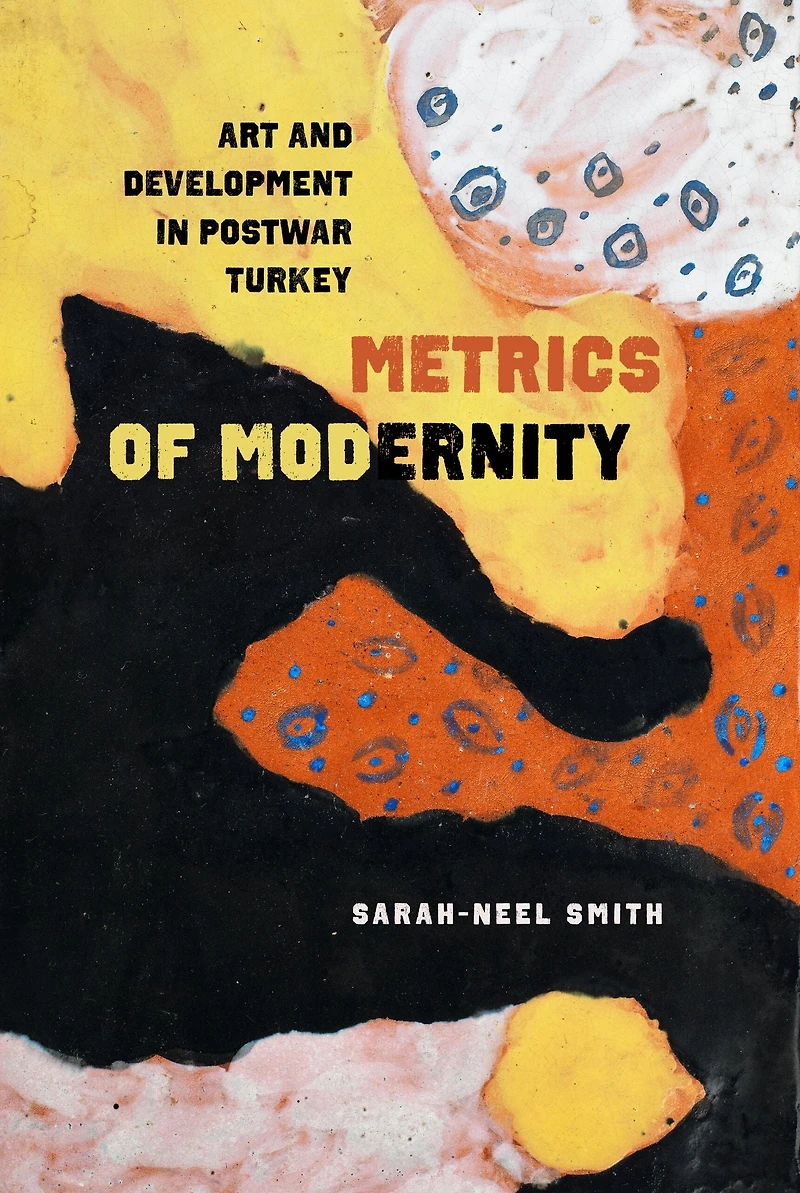
Metrics of Modernity: Art and Development in Postwar Turkey in Bloomington, MN
By Barnes & Noble
Current price: $50.00

Metrics of Modernity: Art and Development in Postwar Turkey in Bloomington, MN
Current price: $50.00
Loading Inventory...
Size: Hardcover
In this vivid portrait of the art world of 1950s Turkey, Sarah-Neel Smith offers a new framework for analyzing global modernisms of the twentieth century: economic development. After World War II, a cohort of influential Turkish modernists built a new art scene in Istanbul and Ankara. The entrepreneurial female gallerist Adalet Cimcoz, the art critic (and future prime minister) Bülent Ecevit, and artists like Aliye Berger, Füreya Koral, and Bedri Rahmi Eyüboğlu were not only focused on aesthetics. On the canvas, in criticism, and in the gallery, these cultural pioneers also grappled with economic questions—attempting to transform their country from a “developing nation” into a major player in the global markets of the postwar period. Smith’s book publishes landmark works of Turkish modernism for the first time, along with an innovative array of sources—from gossip columns to economic theory—to reveal the art world as a key site for the articulation of Turkish nationhood at midcentury.
In this vivid portrait of the art world of 1950s Turkey, Sarah-Neel Smith offers a new framework for analyzing global modernisms of the twentieth century: economic development. After World War II, a cohort of influential Turkish modernists built a new art scene in Istanbul and Ankara. The entrepreneurial female gallerist Adalet Cimcoz, the art critic (and future prime minister) Bülent Ecevit, and artists like Aliye Berger, Füreya Koral, and Bedri Rahmi Eyüboğlu were not only focused on aesthetics. On the canvas, in criticism, and in the gallery, these cultural pioneers also grappled with economic questions—attempting to transform their country from a “developing nation” into a major player in the global markets of the postwar period. Smith’s book publishes landmark works of Turkish modernism for the first time, along with an innovative array of sources—from gossip columns to economic theory—to reveal the art world as a key site for the articulation of Turkish nationhood at midcentury.
Shop Similar Products











Find at Mall of America® in Bloomington, MN
Visit at Mall of America® in Bloomington, MN