


Home
Methods in Chemical Ecology Volume 1: Chemical Methods
Barnes and Noble
Loading Inventory...
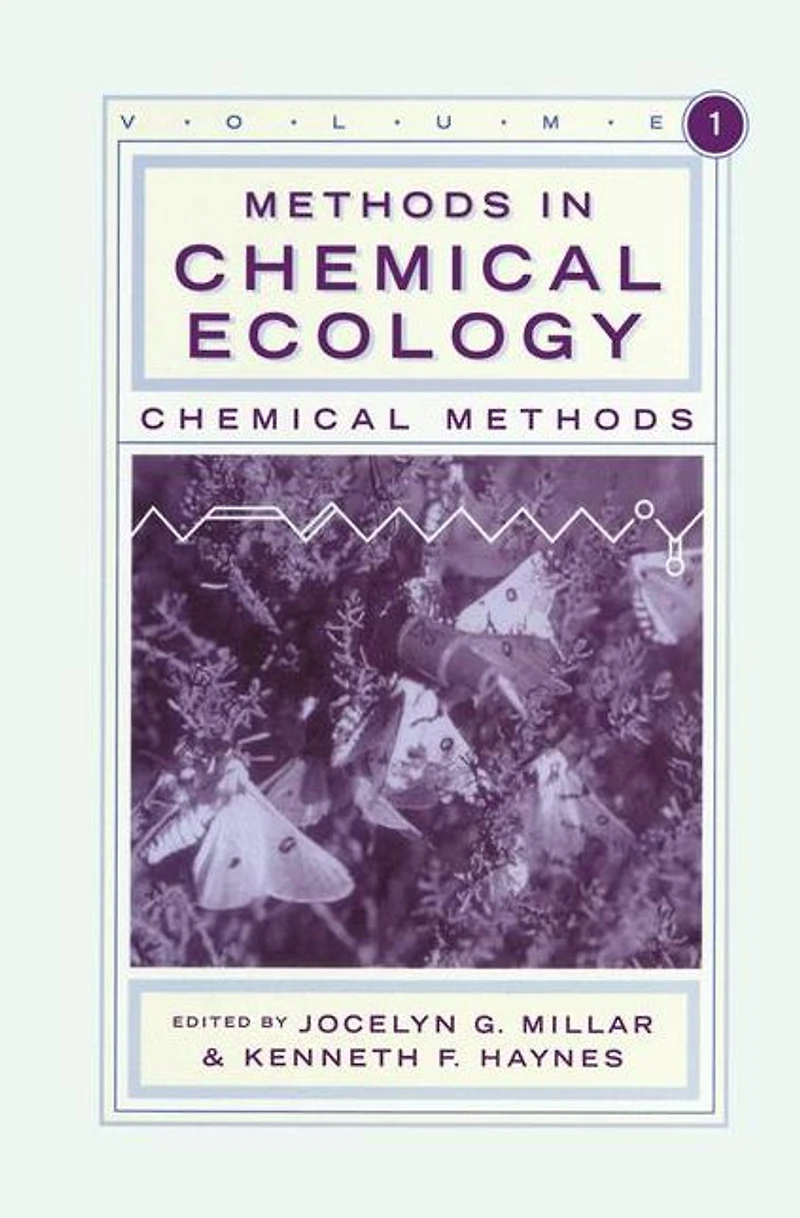
Methods in Chemical Ecology Volume 1: Chemical Methods in Bloomington, MN
By Barnes & Noble
Current price: $169.99

Methods in Chemical Ecology Volume 1: Chemical Methods in Bloomington, MN
Current price: $169.99
Loading Inventory...
Size: Hardcover
A working definition of the discipline of chemical ecology might be "the study of the structure, function, origin, and significance of naturally occurring compounds that mediate inter-and intraspecific interactions between organisms. " In particular, chemical ecology focuses on determining the role of semiochemicals and related compounds in their natural contexts. Thus, chemical ecology is distinct from disciplines such as pharmacology, in which compounds are screened for uses outside their natural context, for example in the screening of natural products for use as drugs. Superficially, many of the methods used in the various branches of natural products chemistry, such as pharmacology and chemical ecology, are very similar, but each branch has developed its own set of specialized methods for dealing with the problems characteristic of that discipline. For example, in chemical ecology, many semiochemicals are isolated and identified using only a few micrograms or less of material. Although the same general chromatographic and spectroscopic techniques are used as would be used with the identification of most organic compounds, specialized techniques have been developed for handling these very small quantities, allowing the maximum amount of information to be recovered from the minimum amount of sample. These micro scale techniques, and the problems unique to working with very small amounts of sample, are rarely covered in detail in reference books on the isolation and identification of biologically active natural chemicals.
A working definition of the discipline of chemical ecology might be "the study of the structure, function, origin, and significance of naturally occurring compounds that mediate inter-and intraspecific interactions between organisms. " In particular, chemical ecology focuses on determining the role of semiochemicals and related compounds in their natural contexts. Thus, chemical ecology is distinct from disciplines such as pharmacology, in which compounds are screened for uses outside their natural context, for example in the screening of natural products for use as drugs. Superficially, many of the methods used in the various branches of natural products chemistry, such as pharmacology and chemical ecology, are very similar, but each branch has developed its own set of specialized methods for dealing with the problems characteristic of that discipline. For example, in chemical ecology, many semiochemicals are isolated and identified using only a few micrograms or less of material. Although the same general chromatographic and spectroscopic techniques are used as would be used with the identification of most organic compounds, specialized techniques have been developed for handling these very small quantities, allowing the maximum amount of information to be recovered from the minimum amount of sample. These micro scale techniques, and the problems unique to working with very small amounts of sample, are rarely covered in detail in reference books on the isolation and identification of biologically active natural chemicals.
Shop Similar Products















Find at Mall of America® in Bloomington, MN
Visit at Mall of America® in Bloomington, MN