


Home
Meteorology; or, Weather Explained.
Barnes and Noble
Loading Inventory...
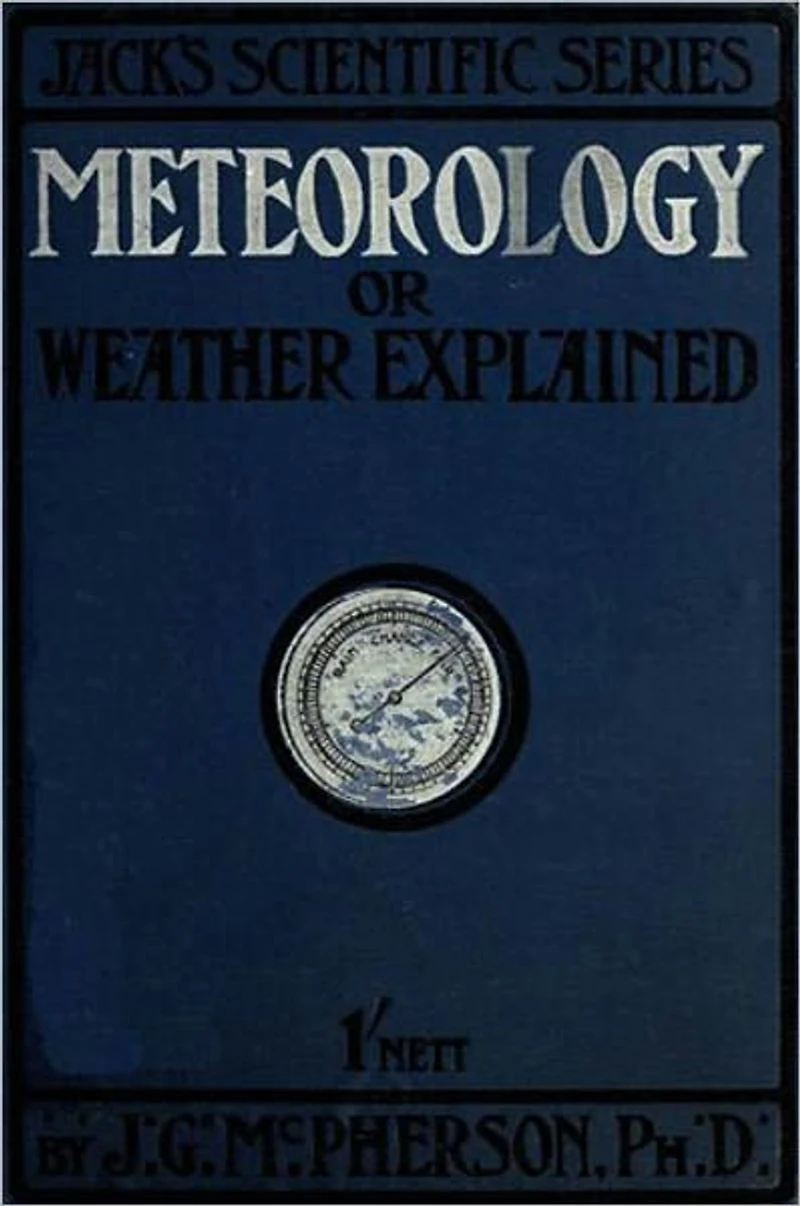
Meteorology; or, Weather Explained. in Bloomington, MN
By Barnes & Noble
Current price: $0.99

Meteorology; or, Weather Explained. in Bloomington, MN
Current price: $0.99
Loading Inventory...
Size: EBook
Meteorology; or, Weather Explained by J. G. M’Pherson, Ph.D., F.R.S.E.,Graduate with First-Class Honours, and for Nine Years Extension Lecturer on Meteorology and Mathematical Examiner in the University of St. Andrews; author of “Tales of Science,” etc. CONTENTSChapter 1. IntroductionChapter 2. The Formation of DewChapter 3. True and False DewChapter 4. Hoar-FrostChapter 5. FogChapter 6. The Numbering of the DustChapter 7. Dust and Atmospheric PhenomenaChapter 8. A Fog-CounterChapter 9. Formation of CloudsChapter 10. Decay of CloudsChapter 11. It Always RainsChapter 12. HazeChapter 13. Hazing Effects of Atmospheric DustChapter 14. Thunder Clears the AirChapter 15. Disease-Germs in the AirChapter 16. A Change of AirChapter 17. The Old Moon in the New Moon’s ArmsChapter 18. An Autumn AfterglowChapter 19. A Winter ForeglowChapter 20. The RainbowChapter 21. The Aurora BorealisChapter 22. The Blue SkyChapter 23. A Sanitary DetectiveChapter 24. Fog and SmokeChapter 25. Electrical Deposition of SmokeChapter 26. Radiation from SnowChapter 27. Mountain GiantsChapter 28. The WindChapter 29. Cyclones and Anti-CyclonesChapter 30. Rain PhenomenaChapter 31. The Meteorology of Ben NevisChapter 32. The Weather and InfluenzaChapter 33. ClimateChapter 34. The “Challenger” Weather ReportsChapter 35. Weather-Forecasting PREFATORY NOTEI am very much indebted to Dr. John Aitken, F.R.S., for his great kindness in carefully revising the proof sheets, and giving me most valuable suggestions. This is a sufficient guarantee that accuracy has not been sacrificed to popular explanation.J. G. M’P.RUTHVEN MANSE,June 10, 1905. Chapter 1. IntroductionThough by familiarity made commonplace, the “weather” is one of the most important topics of conversation, and has constant bearings upon the work and prospects of business-men and men of pleasure. The state of the weather is the password when people meet on the country road: we could not do without the humble talisman. “A fine day” comes spontaneously to the lips, whatever be the state of the atmosphere, unless it is peculiarly and strikingly repulsive; then “A bitter day” would take the place of the expression. Yet I have heard “Terrible guid wither” as often as “Terrible bad day” among country people.Scarcely a friendly letter is penned without a reference to the weather, as to what has been, is, or may be. It is a new stimulus to a lagging conversation at any dinner-table. All are so dependent on the weather, especially those getting up in years or of delicate health.I remember, when at Strathpeffer, the great health-resort in the North of Scotland, in 1885, an anxious invalid at “The Pump” asking a weather-beaten, rheumatic old gamekeeper what sort of a day it was to be, considering that it had been wet for some time. The keeper crippled to the barometer outside the doorway, and returned with the matter-of-fact answer: “She’s faurer doon ta tay nur she wass up yestreen.” The barometer had evidently fallen during the night. “And what are we to expect?” sadly inquired the invalid. “It’ll pe aither ferry wat, or mohr rain”--a poor consolation!Most men who are bent on business or pleasure, and all dwellers in the country who have the instruments, make a first call at the barometer in the lobby, or the aneroid in the breakfast-parlour, to “see what she says.” A good rise of the black needle (that is, to the right) above the yellow needle is a source of rejoicing, as it will likely be clear, dry, and hard weather. A slight fall (that is, to the left) causes anxiety as to coming rain, and a big depression forebodes much rain or a violent storm of wind.
Meteorology; or, Weather Explained by J. G. M’Pherson, Ph.D., F.R.S.E.,Graduate with First-Class Honours, and for Nine Years Extension Lecturer on Meteorology and Mathematical Examiner in the University of St. Andrews; author of “Tales of Science,” etc. CONTENTSChapter 1. IntroductionChapter 2. The Formation of DewChapter 3. True and False DewChapter 4. Hoar-FrostChapter 5. FogChapter 6. The Numbering of the DustChapter 7. Dust and Atmospheric PhenomenaChapter 8. A Fog-CounterChapter 9. Formation of CloudsChapter 10. Decay of CloudsChapter 11. It Always RainsChapter 12. HazeChapter 13. Hazing Effects of Atmospheric DustChapter 14. Thunder Clears the AirChapter 15. Disease-Germs in the AirChapter 16. A Change of AirChapter 17. The Old Moon in the New Moon’s ArmsChapter 18. An Autumn AfterglowChapter 19. A Winter ForeglowChapter 20. The RainbowChapter 21. The Aurora BorealisChapter 22. The Blue SkyChapter 23. A Sanitary DetectiveChapter 24. Fog and SmokeChapter 25. Electrical Deposition of SmokeChapter 26. Radiation from SnowChapter 27. Mountain GiantsChapter 28. The WindChapter 29. Cyclones and Anti-CyclonesChapter 30. Rain PhenomenaChapter 31. The Meteorology of Ben NevisChapter 32. The Weather and InfluenzaChapter 33. ClimateChapter 34. The “Challenger” Weather ReportsChapter 35. Weather-Forecasting PREFATORY NOTEI am very much indebted to Dr. John Aitken, F.R.S., for his great kindness in carefully revising the proof sheets, and giving me most valuable suggestions. This is a sufficient guarantee that accuracy has not been sacrificed to popular explanation.J. G. M’P.RUTHVEN MANSE,June 10, 1905. Chapter 1. IntroductionThough by familiarity made commonplace, the “weather” is one of the most important topics of conversation, and has constant bearings upon the work and prospects of business-men and men of pleasure. The state of the weather is the password when people meet on the country road: we could not do without the humble talisman. “A fine day” comes spontaneously to the lips, whatever be the state of the atmosphere, unless it is peculiarly and strikingly repulsive; then “A bitter day” would take the place of the expression. Yet I have heard “Terrible guid wither” as often as “Terrible bad day” among country people.Scarcely a friendly letter is penned without a reference to the weather, as to what has been, is, or may be. It is a new stimulus to a lagging conversation at any dinner-table. All are so dependent on the weather, especially those getting up in years or of delicate health.I remember, when at Strathpeffer, the great health-resort in the North of Scotland, in 1885, an anxious invalid at “The Pump” asking a weather-beaten, rheumatic old gamekeeper what sort of a day it was to be, considering that it had been wet for some time. The keeper crippled to the barometer outside the doorway, and returned with the matter-of-fact answer: “She’s faurer doon ta tay nur she wass up yestreen.” The barometer had evidently fallen during the night. “And what are we to expect?” sadly inquired the invalid. “It’ll pe aither ferry wat, or mohr rain”--a poor consolation!Most men who are bent on business or pleasure, and all dwellers in the country who have the instruments, make a first call at the barometer in the lobby, or the aneroid in the breakfast-parlour, to “see what she says.” A good rise of the black needle (that is, to the right) above the yellow needle is a source of rejoicing, as it will likely be clear, dry, and hard weather. A slight fall (that is, to the left) causes anxiety as to coming rain, and a big depression forebodes much rain or a violent storm of wind.
Shop Similar Products








Find at Mall of America® in Bloomington, MN
Visit at Mall of America® in Bloomington, MN