


Home
Memories: Molecules and Circuits
Barnes and Noble
Loading Inventory...
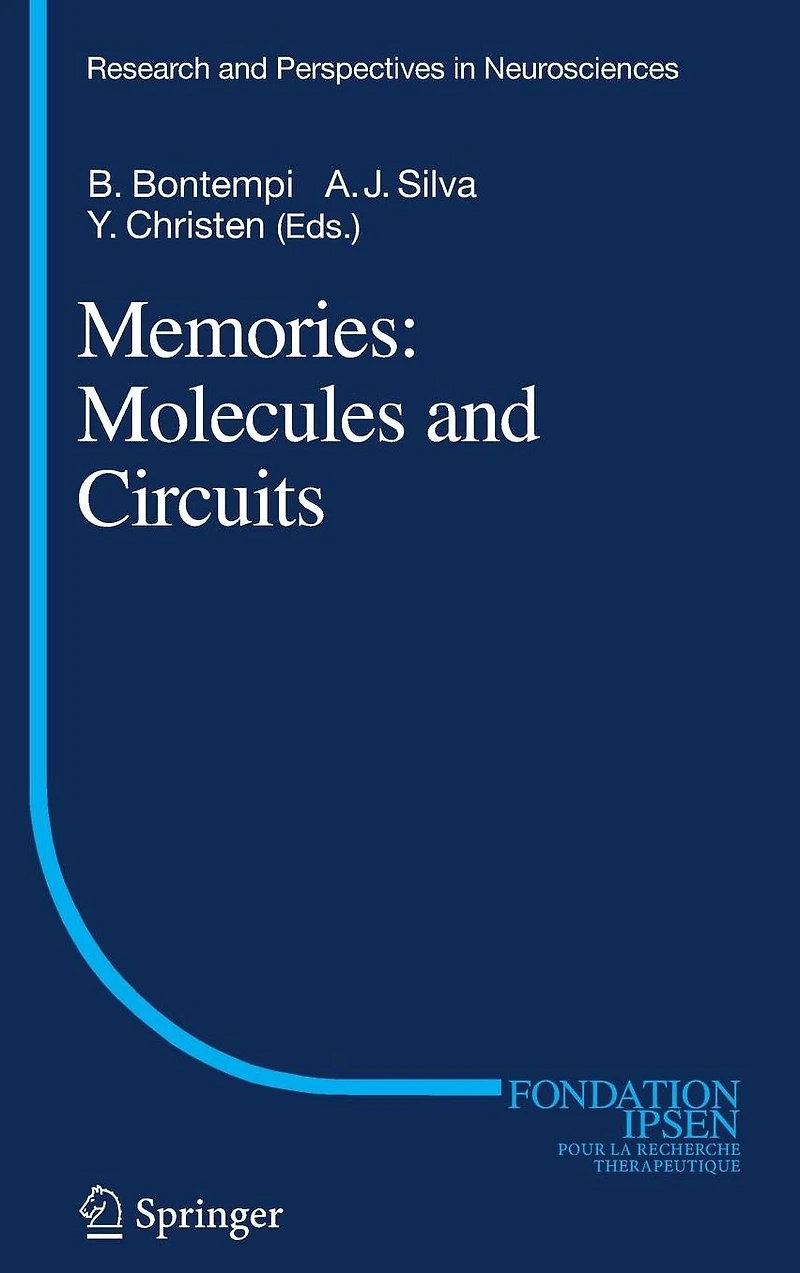
Memories: Molecules and Circuits in Bloomington, MN
By Barnes & Noble
Current price: $169.99

Memories: Molecules and Circuits in Bloomington, MN
Current price: $169.99
Loading Inventory...
Size: Hardcover
Memory can be typically defined as the brain function enabling the encoding, storage and retrieval of sensory information. In operational terms, this definition implies that our central nervous system not only processes various sensory modalities, be they visual, tactile, auditory, olfactory or gustatory, but is also capable of forming, organizing and conserving memory traces for extended periods of time. At both psychological and physiological levels, there is now a consensus that memory must no longer be seen as a unitary phenomenon but rather as an ensemble of dynamic processes, each one being subserved by different brain regions organized into multiple memory systems that support different forms of memory and that constantly interact to ensure optimal performance during any given cognitive challenge. Despite remarkable progress achieved over the last 30 years in our understanding of the neural bases of cognitive processes and associated pathologies, the questions of how, where and when memory traces are formed in the brain remain central issues and continue to fuel much debate in the field of cognitive neuroscience.
Memory can be typically defined as the brain function enabling the encoding, storage and retrieval of sensory information. In operational terms, this definition implies that our central nervous system not only processes various sensory modalities, be they visual, tactile, auditory, olfactory or gustatory, but is also capable of forming, organizing and conserving memory traces for extended periods of time. At both psychological and physiological levels, there is now a consensus that memory must no longer be seen as a unitary phenomenon but rather as an ensemble of dynamic processes, each one being subserved by different brain regions organized into multiple memory systems that support different forms of memory and that constantly interact to ensure optimal performance during any given cognitive challenge. Despite remarkable progress achieved over the last 30 years in our understanding of the neural bases of cognitive processes and associated pathologies, the questions of how, where and when memory traces are formed in the brain remain central issues and continue to fuel much debate in the field of cognitive neuroscience.
Shop Similar Products












Find at Mall of America® in Bloomington, MN
Visit at Mall of America® in Bloomington, MN