


Home
Mediating Islam: Cosmopolitan Journalisms Muslim Southeast Asia
Barnes and Noble
Loading Inventory...
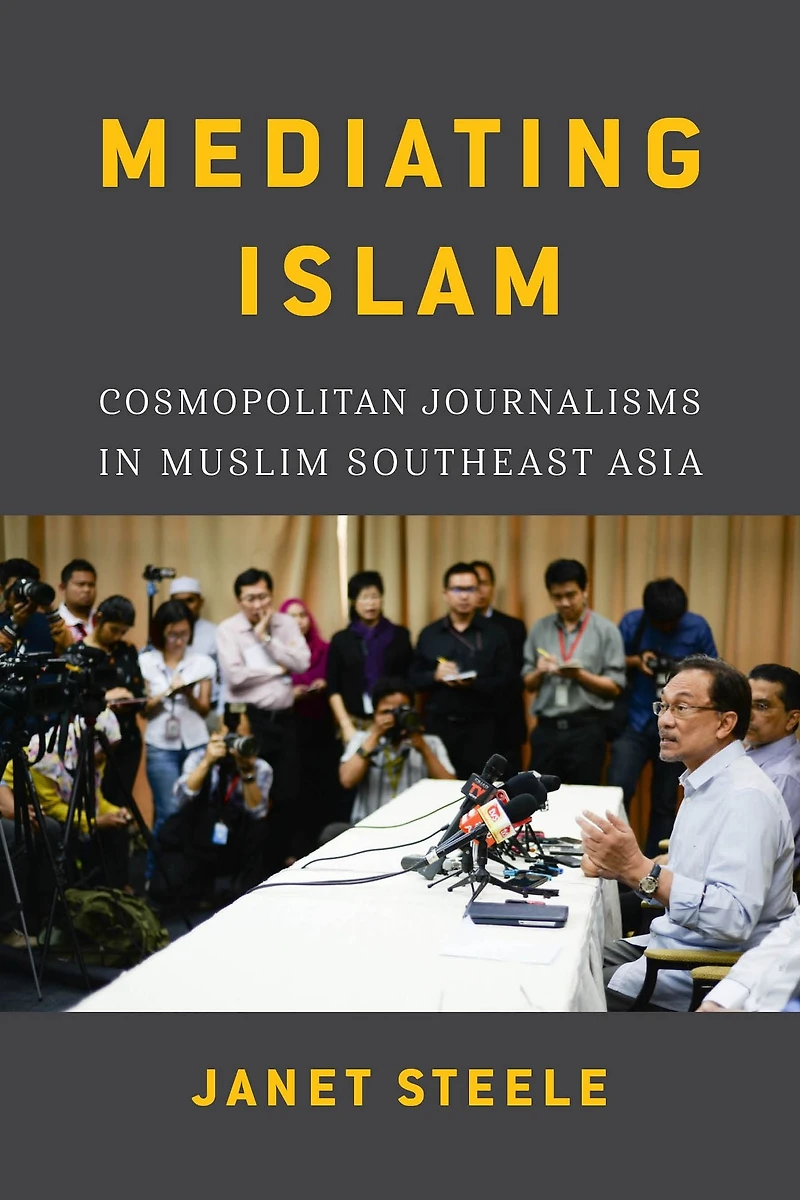
Mediating Islam: Cosmopolitan Journalisms Muslim Southeast Asia in Bloomington, MN
By Barnes & Noble
Current price: $35.00

Mediating Islam: Cosmopolitan Journalisms Muslim Southeast Asia in Bloomington, MN
Current price: $35.00
Loading Inventory...
Size: EBook
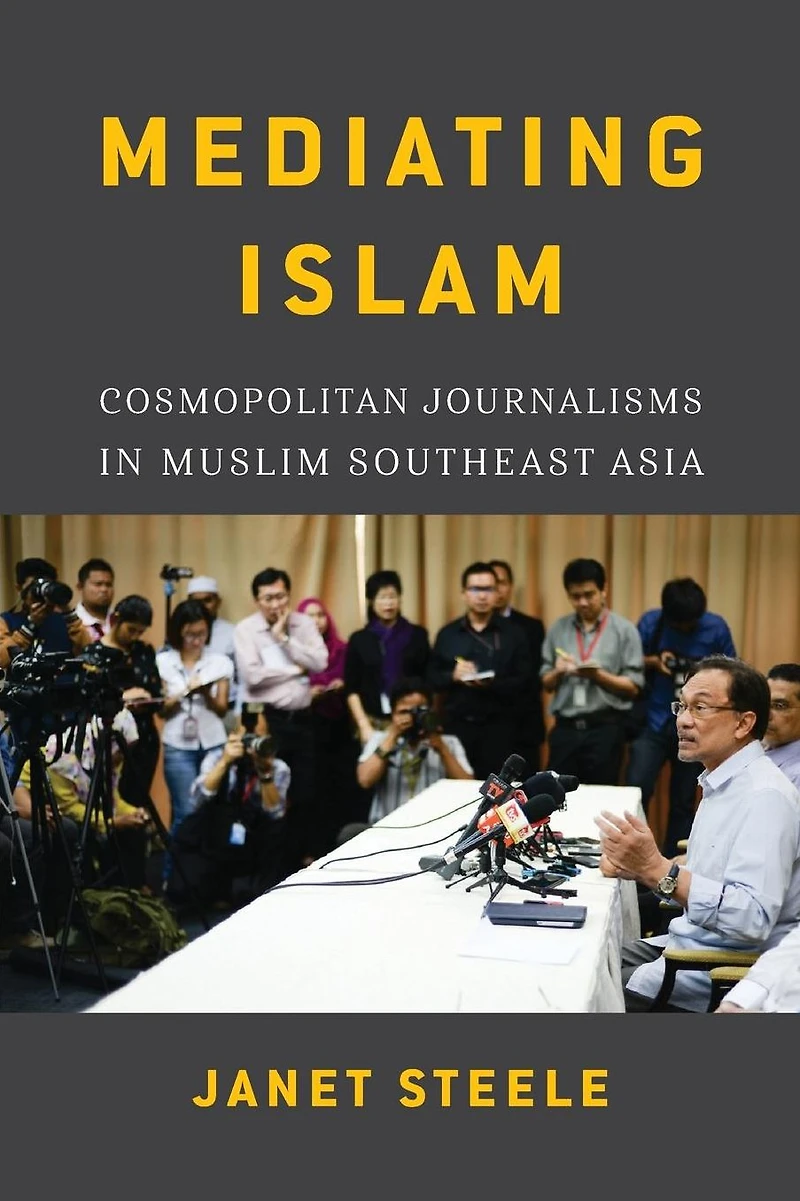
Broadening an overly narrow definition of Islamic journalism, Janet Steele examines day-to-day reporting practices of Muslim professionals, from conservative scripturalists to pluralist cosmopolitans, at five exemplary news organizations in Malaysia and Indonesia. At Sabili, established as an underground publication, journalists are hired for their ability at dakwah, or Islamic propagation. At Tempo, a news magazine banned during the Soeharto regime and considered progressive, many see their work as a manifestation of worship, but the publication itself is not considered Islamic. At Harakah, reporters support an Islamic political party, while at Republika they practice a “journalism of the Prophet” and see Islam as a market niche. Other news organizations, too, such as Malaysiakini, employ Muslim journalists. Steele, a longtime scholar of the region, explores how these publications observe universal principles of journalism through an Islamic idiom.
Broadening an overly narrow definition of Islamic journalism, Janet Steele examines day-to-day reporting practices of Muslim professionals, from conservative scripturalists to pluralist cosmopolitans, at five exemplary news organizations in Malaysia and Indonesia. At Sabili, established as an underground publication, journalists are hired for their ability at dakwah, or Islamic propagation. At Tempo, a news magazine banned during the Soeharto regime and considered progressive, many see their work as a manifestation of worship, but the publication itself is not considered Islamic. At Harakah, reporters support an Islamic political party, while at Republika they practice a “journalism of the Prophet” and see Islam as a market niche. Other news organizations, too, such as Malaysiakini, employ Muslim journalists. Steele, a longtime scholar of the region, explores how these publications observe universal principles of journalism through an Islamic idiom.
Shop Similar Products








Find at Mall of America® in Bloomington, MN
Visit at Mall of America® in Bloomington, MN