


Home
Markets, Money and Capital: Hicksian Economics for the Twenty First Century
Barnes and Noble
Loading Inventory...
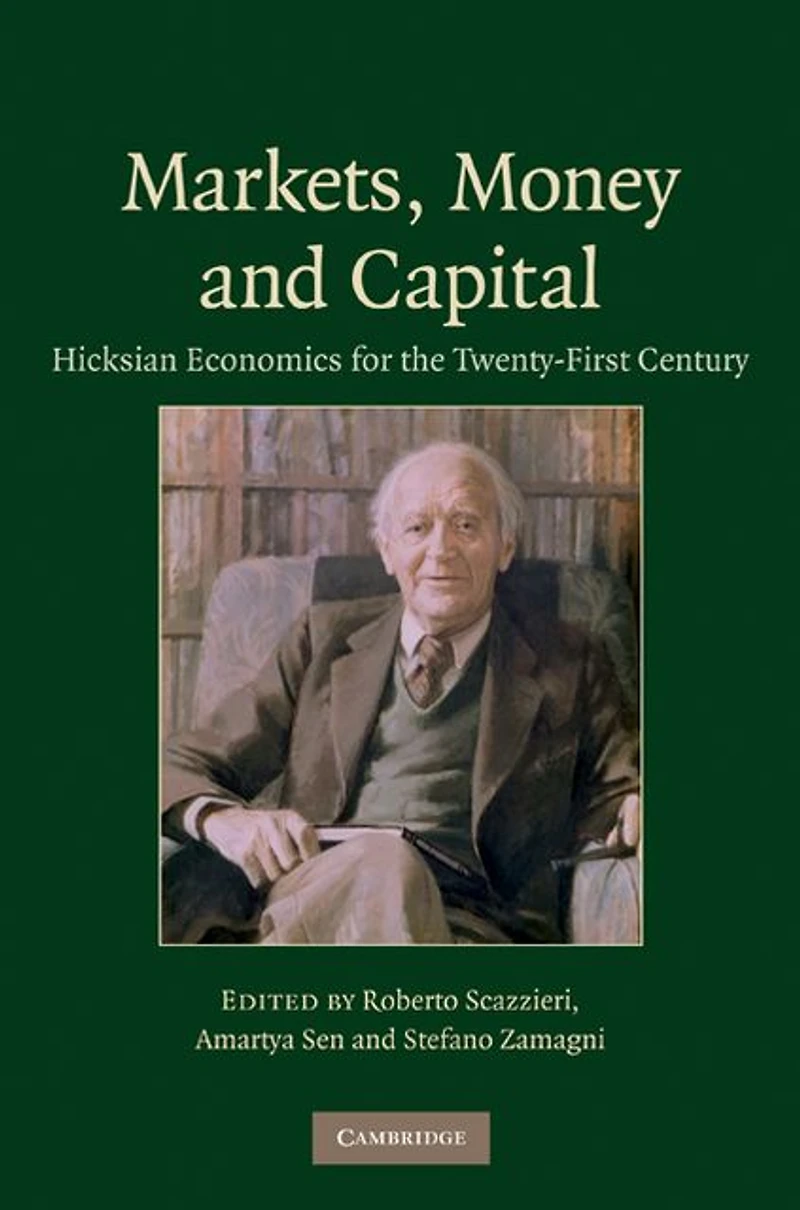
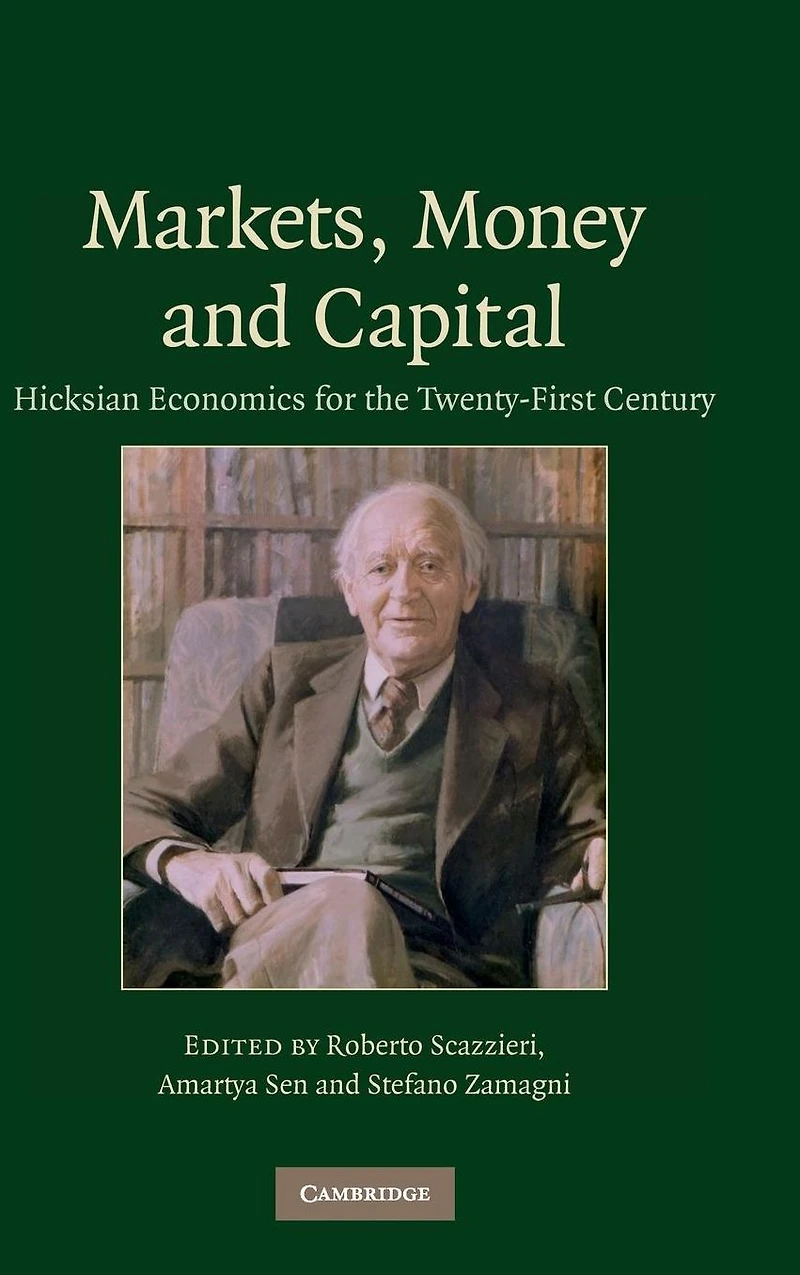
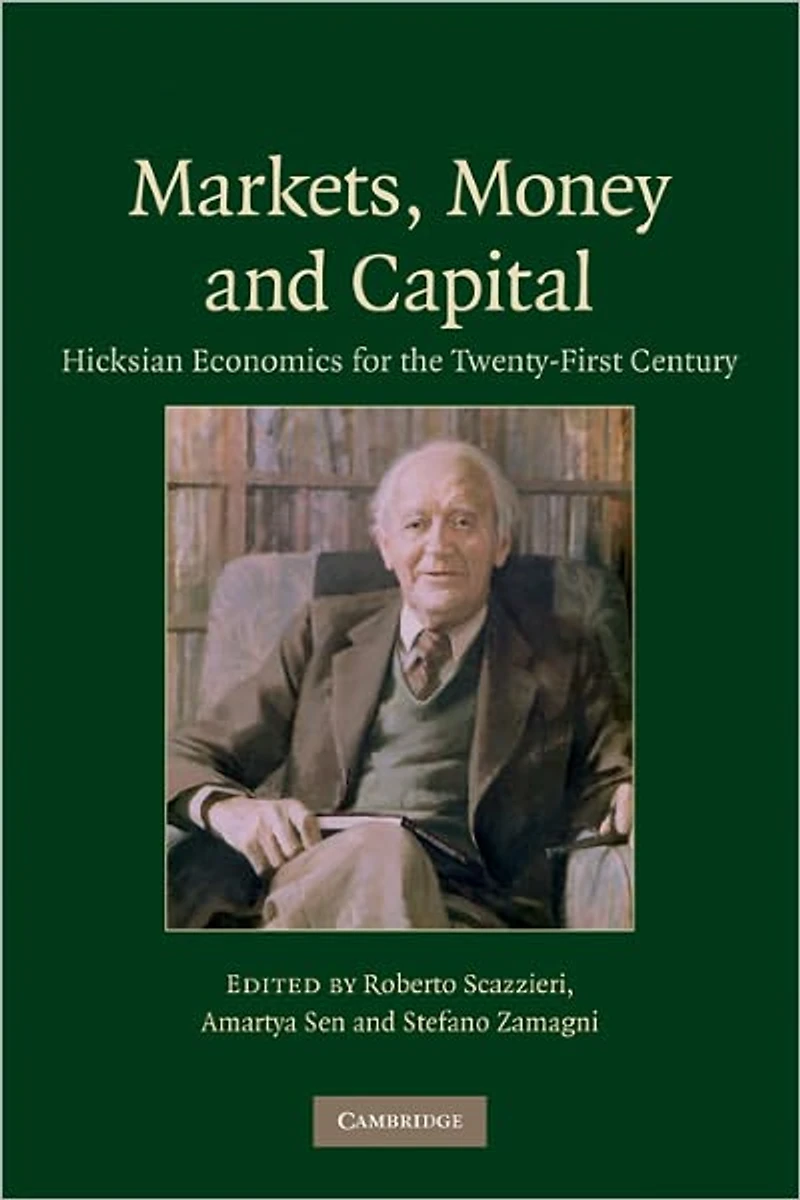
Markets, Money and Capital: Hicksian Economics for the Twenty First Century in Bloomington, MN
By Barnes & Noble
Current price: $75.00

Markets, Money and Capital: Hicksian Economics for the Twenty First Century in Bloomington, MN
Current price: $75.00
Loading Inventory...
Size: EBook
Sir John Hicks (1904–89) was a leading economic theorist of the twentieth century, and along with Kenneth Arrow was awarded the Nobel Prize in 1972. His work addressed central topics in economic theory, such as value, money, capital and growth. An important unifying theme was the attention for economic rationality 'in time' and his acknowledgement that apparent rigidities and frictions might exert a positive role as a buffer against excessive fluctuations in output, prices and employment. This emphasis on the virtue of imperfection significantly distances Hicksian economics from both the Keynesian and Monetarist approaches. Containing contributions from distinguished theorists in their own right (including three Nobel Prize winners), this volume examines Hicks's intellectual heritage and discusses how his ideas suggest a distinct approach to economic theory and policy making. It will be of great interest to scholars and students of economic theory and the history of economic thought.
Sir John Hicks (1904–89) was a leading economic theorist of the twentieth century, and along with Kenneth Arrow was awarded the Nobel Prize in 1972. His work addressed central topics in economic theory, such as value, money, capital and growth. An important unifying theme was the attention for economic rationality 'in time' and his acknowledgement that apparent rigidities and frictions might exert a positive role as a buffer against excessive fluctuations in output, prices and employment. This emphasis on the virtue of imperfection significantly distances Hicksian economics from both the Keynesian and Monetarist approaches. Containing contributions from distinguished theorists in their own right (including three Nobel Prize winners), this volume examines Hicks's intellectual heritage and discusses how his ideas suggest a distinct approach to economic theory and policy making. It will be of great interest to scholars and students of economic theory and the history of economic thought.
Shop Similar Products








Find at Mall of America® in Bloomington, MN
Visit at Mall of America® in Bloomington, MN