


Home
Mao Tse-Tung in the Scales of History: A Preliminary Assessment Organized by the China Quarterly
Barnes and Noble
Loading Inventory...
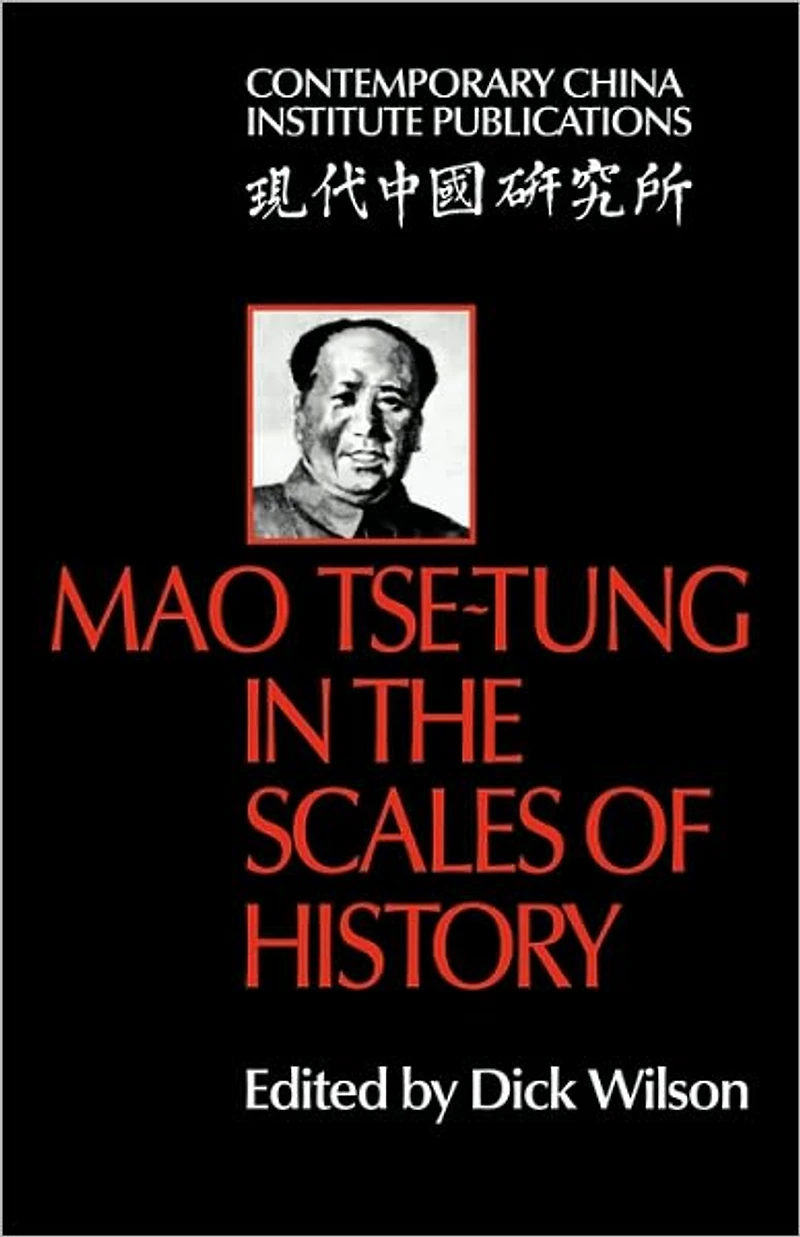
Mao Tse-Tung in the Scales of History: A Preliminary Assessment Organized by the China Quarterly in Bloomington, MN
By Barnes & Noble
Current price: $47.00

Mao Tse-Tung in the Scales of History: A Preliminary Assessment Organized by the China Quarterly in Bloomington, MN
Current price: $47.00
Loading Inventory...
Size: Paperback
Mao Tse-tung was one of the most influential leaders of the twentieth century. In this 1977 book, eleven scholars renowned for their penetrating and lively analysis of Mao during his life, here make their assessments of his career and influence, after his death. They consider Mao's claims to be an original thinker; the practical side of his career; his ideas on education; his economic and international preoccupations; and his personality as a Chinese. Dick Wilson's introduction indicates some of the common themes, showing inter alia that Mao was neither as politically powerful, nor intellectually consistent and creative, as outsiders seem to have thought: that, on the contrary, his strength lay in his longevity, his concern for the methodology of social change, and those moral qualities that distinguished him. Very much of its time, this book will be essential reading for anyone wishing to assess China's political history.
Mao Tse-tung was one of the most influential leaders of the twentieth century. In this 1977 book, eleven scholars renowned for their penetrating and lively analysis of Mao during his life, here make their assessments of his career and influence, after his death. They consider Mao's claims to be an original thinker; the practical side of his career; his ideas on education; his economic and international preoccupations; and his personality as a Chinese. Dick Wilson's introduction indicates some of the common themes, showing inter alia that Mao was neither as politically powerful, nor intellectually consistent and creative, as outsiders seem to have thought: that, on the contrary, his strength lay in his longevity, his concern for the methodology of social change, and those moral qualities that distinguished him. Very much of its time, this book will be essential reading for anyone wishing to assess China's political history.
Shop Similar Products









Find at Mall of America® in Bloomington, MN
Visit at Mall of America® in Bloomington, MN