


Home
Malaria Colonial South Asia: Uncoupling Disease and Destitution
Barnes and Noble
Loading Inventory...
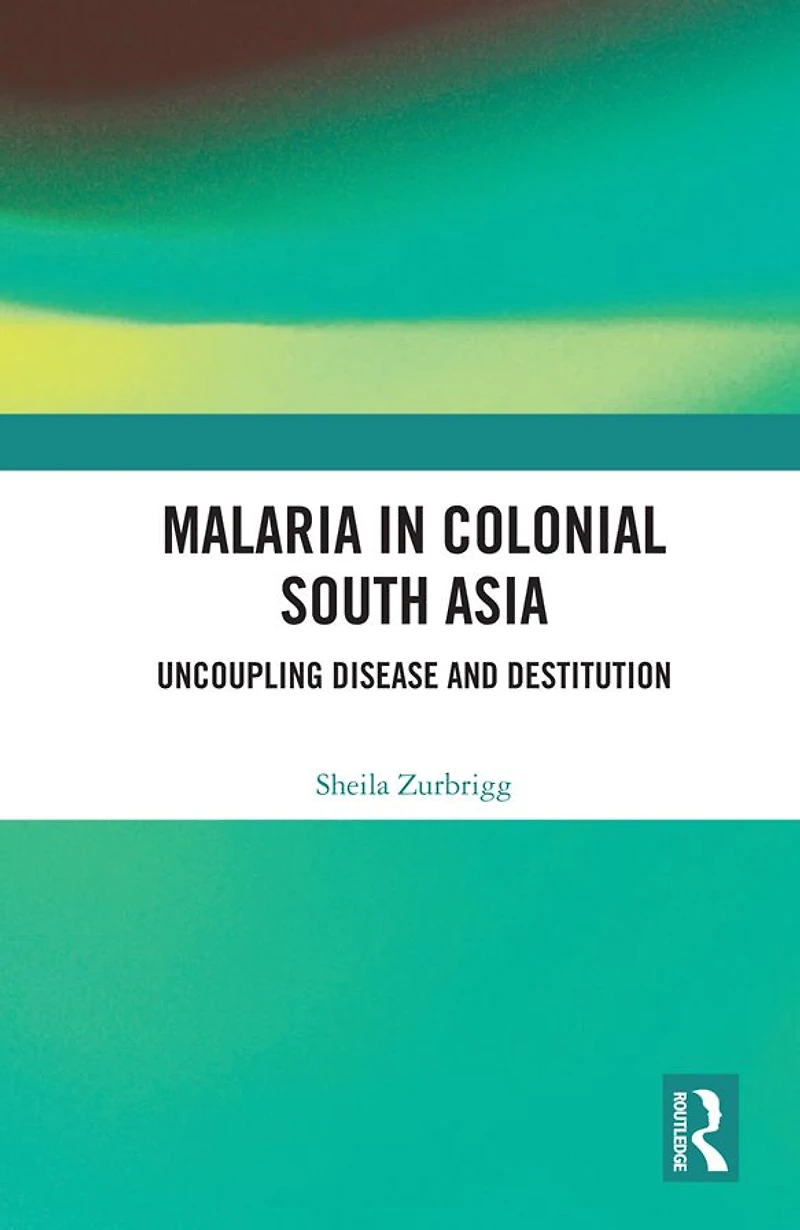

Malaria Colonial South Asia: Uncoupling Disease and Destitution in Bloomington, MN
By Barnes & Noble
Current price: $67.99

Malaria Colonial South Asia: Uncoupling Disease and Destitution in Bloomington, MN
Current price: $67.99
Loading Inventory...
Size: EBook
This book highlights the role of acute hunger in malaria lethality in colonial South Asia and investigates how this understanding came to be lost in modern medical, epidemic, and historiographic thought. Using the case studies of colonial Punjab, Sri Lanka, and Bengal, it traces the loss of fundamental concepts and language of hunger in the inter-war period with the reductive application of the new specialisms of nutritional science and immunology, and a parallel loss of the distinction between infection (transmission) and morbid disease. The study locates the final demise of the ‘Human Factor’ (hunger) in malaria history within pre- and early post-WW2 international health institutions – the International Health Division of the Rockefeller Foundation and the nascent WHO’s Expert Committee on Malaria. It examines the implications of this epistemic shift for interpreting South Asian health history, and reclaims a broader understanding of common endemic infection (endemiology) as a prime driver, in the context of subsistence precarity, of epidemic mortality history and demographic change.This book will be useful to scholars and researchers of public health, social medicine and social epidemiology, imperial history, epidemic and demographic history, history of medicine, medical sociology, and sociology.
This book highlights the role of acute hunger in malaria lethality in colonial South Asia and investigates how this understanding came to be lost in modern medical, epidemic, and historiographic thought. Using the case studies of colonial Punjab, Sri Lanka, and Bengal, it traces the loss of fundamental concepts and language of hunger in the inter-war period with the reductive application of the new specialisms of nutritional science and immunology, and a parallel loss of the distinction between infection (transmission) and morbid disease. The study locates the final demise of the ‘Human Factor’ (hunger) in malaria history within pre- and early post-WW2 international health institutions – the International Health Division of the Rockefeller Foundation and the nascent WHO’s Expert Committee on Malaria. It examines the implications of this epistemic shift for interpreting South Asian health history, and reclaims a broader understanding of common endemic infection (endemiology) as a prime driver, in the context of subsistence precarity, of epidemic mortality history and demographic change.This book will be useful to scholars and researchers of public health, social medicine and social epidemiology, imperial history, epidemic and demographic history, history of medicine, medical sociology, and sociology.
Shop Similar Products








Find at Mall of America® in Bloomington, MN
Visit at Mall of America® in Bloomington, MN