


Home
Making and Remaking Empire Early Qajar Iran
Barnes and Noble
Loading Inventory...
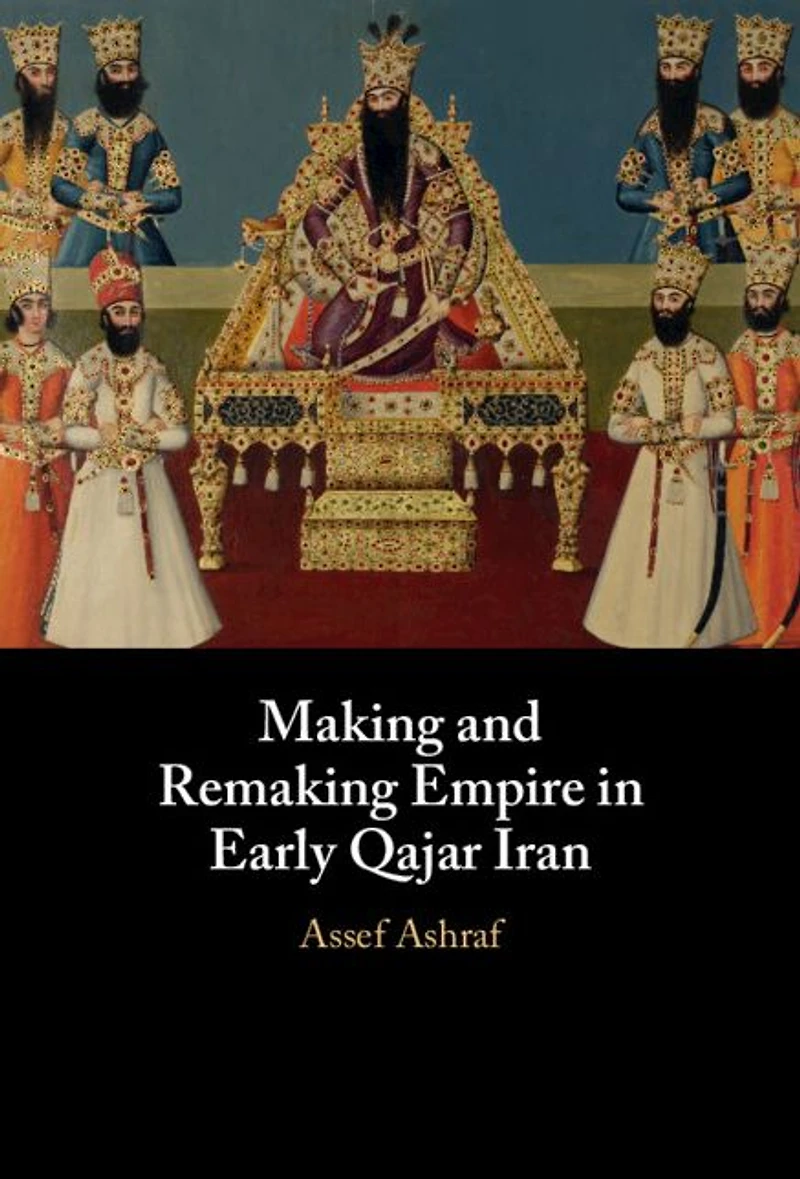
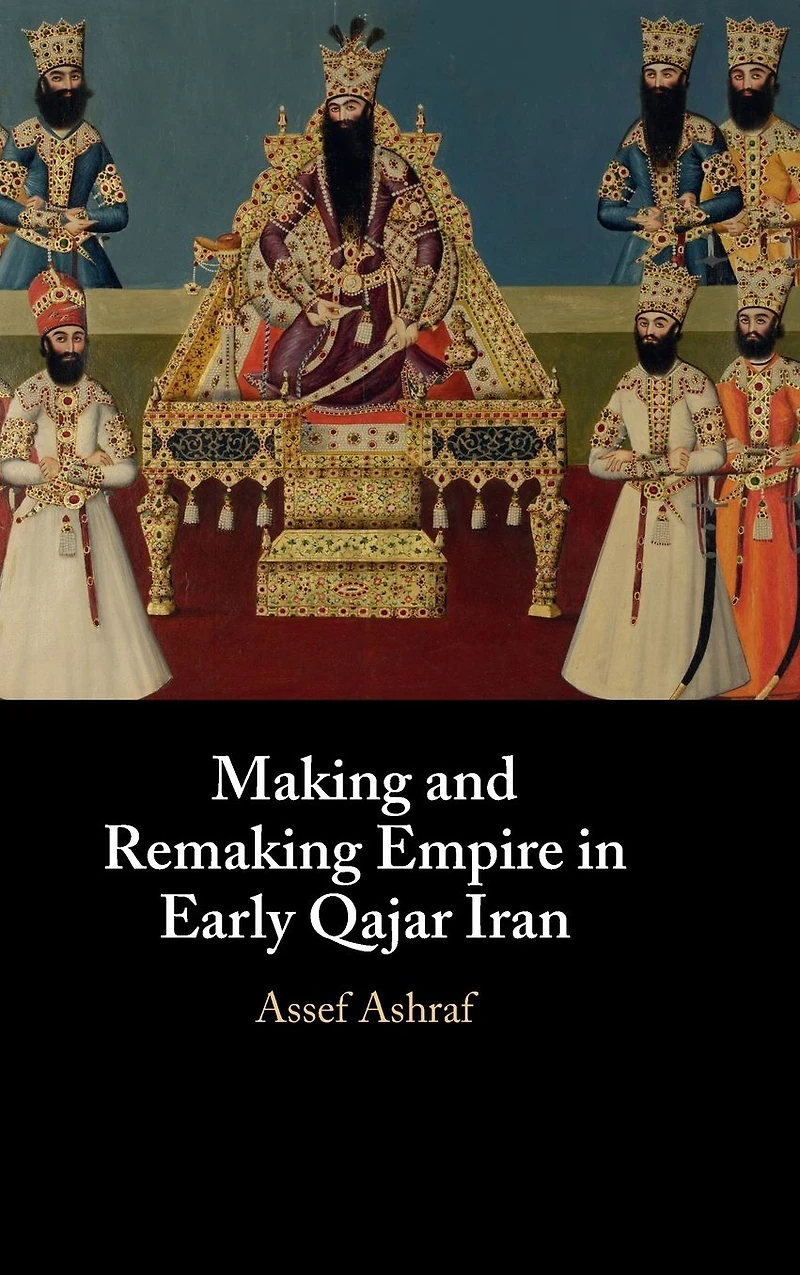
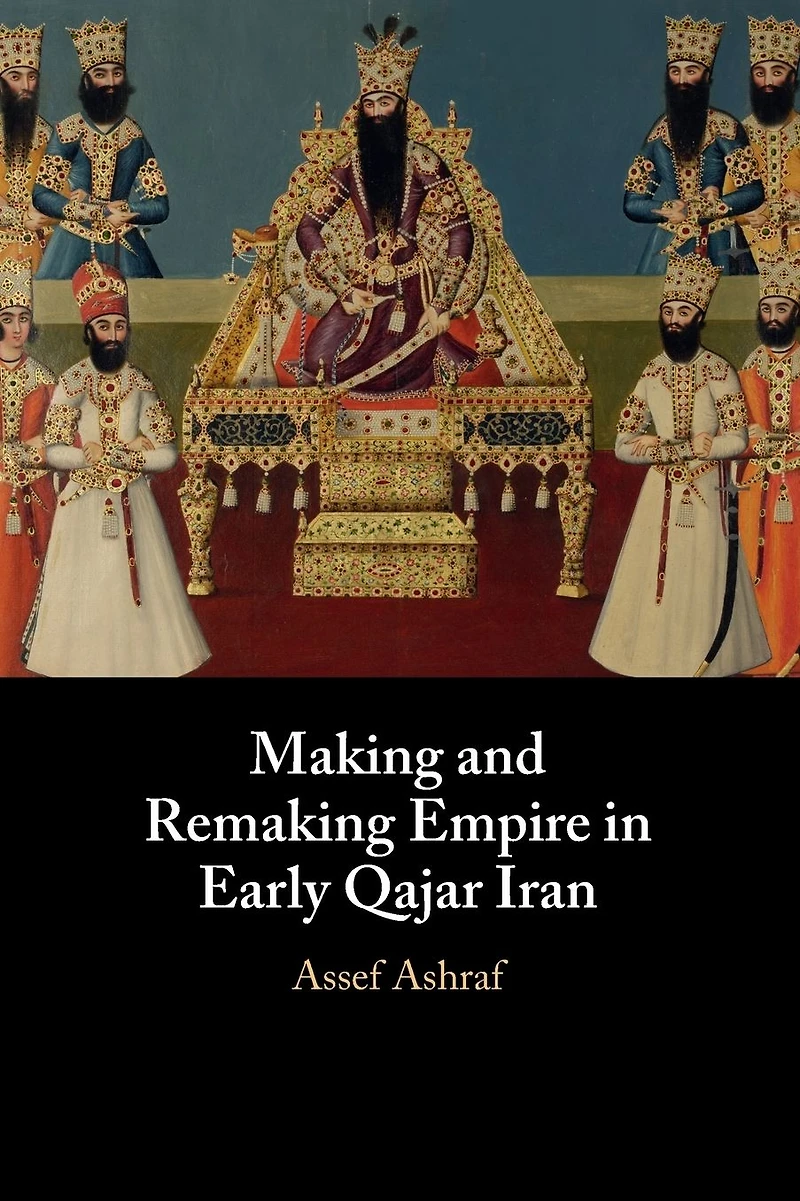
Making and Remaking Empire Early Qajar Iran in Bloomington, MN
By Barnes & Noble
Current price: $39.99

Making and Remaking Empire Early Qajar Iran in Bloomington, MN
Current price: $39.99
Loading Inventory...
Size: EBook
In 1722, the Safavid empire collapsed. An empire that ruled for over two centuries, in its heyday it spanned parts of Central Asia, the Caucasus, and present-day Iran. The decades following its fall were ones of unrest and discord, and it was only with the rise of the Qajars in the 1780s that a level of stability was restored. Assef Ashraf devotes this book to an analysis of the making of the Qajar empire. It adopts a socially-oriented approach to political history - an approach that examines the discourse and political practices, and the centers and peripheries, of empire. Each chapter focuses on a particular practice that was at the heart of Qajar governance - land administration, gift giving, marriage, political correspondence, provincial diplomacy, and territorial conquest and tribal relations. By situating the formation of Qajar Iran in its early nineteenth-century context, Ashraf highlights the overarching themes of transition and change.
In 1722, the Safavid empire collapsed. An empire that ruled for over two centuries, in its heyday it spanned parts of Central Asia, the Caucasus, and present-day Iran. The decades following its fall were ones of unrest and discord, and it was only with the rise of the Qajars in the 1780s that a level of stability was restored. Assef Ashraf devotes this book to an analysis of the making of the Qajar empire. It adopts a socially-oriented approach to political history - an approach that examines the discourse and political practices, and the centers and peripheries, of empire. Each chapter focuses on a particular practice that was at the heart of Qajar governance - land administration, gift giving, marriage, political correspondence, provincial diplomacy, and territorial conquest and tribal relations. By situating the formation of Qajar Iran in its early nineteenth-century context, Ashraf highlights the overarching themes of transition and change.
Shop Similar Products








Find at Mall of America® in Bloomington, MN
Visit at Mall of America® in Bloomington, MN