


Home
Luther and His Spiritual Legacy
Barnes and Noble
Loading Inventory...
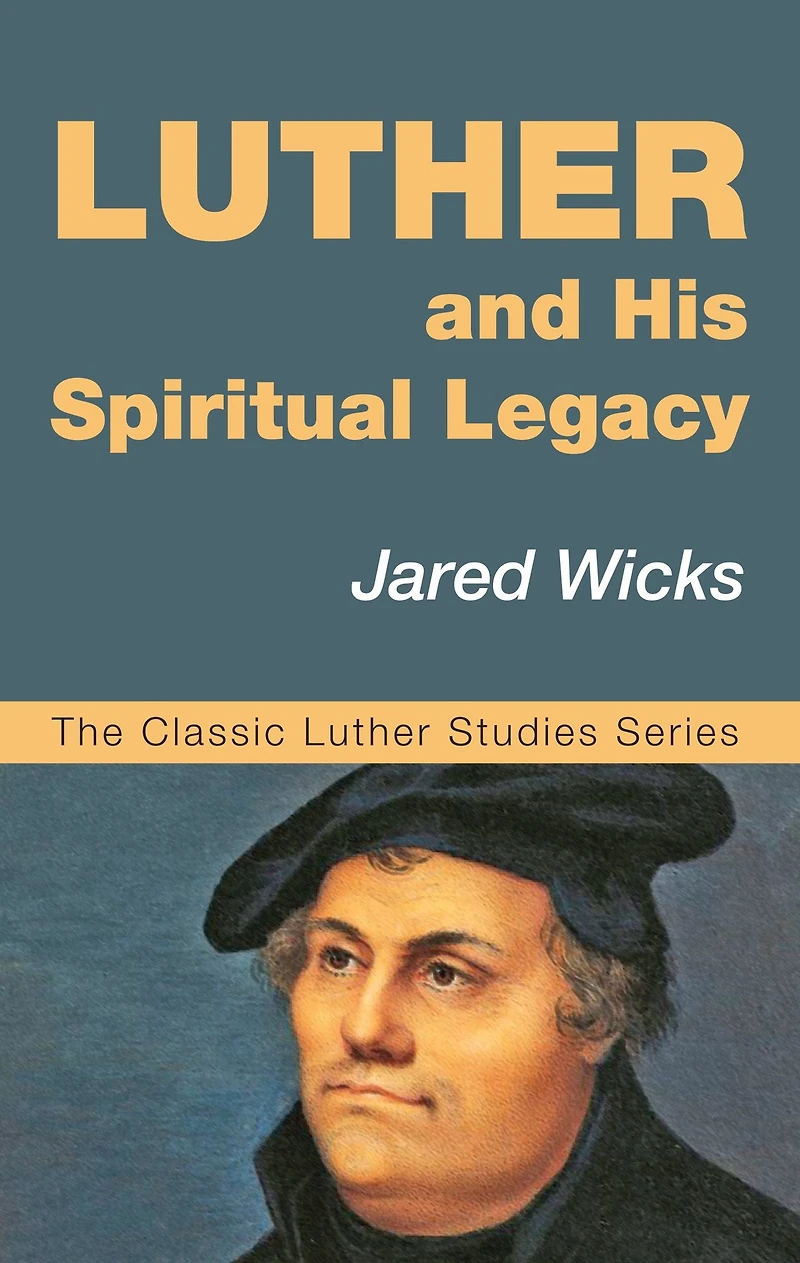
Luther and His Spiritual Legacy in Bloomington, MN
By Barnes & Noble
Current price: $23.00

Luther and His Spiritual Legacy in Bloomington, MN
Current price: $23.00
Loading Inventory...
Size: EBook
"Luther can be a forceful teacher of lived religion. He can be a resource for the enrichment of personal spirituality for members of all Christian confessions. Above all, Luther sought to help people be struck personally by the word and work of Christ." So writes Jared Wicks in Luther and His Spiritual Legacy, a work full of citations of Luther's teaching that shows the Reformer treating major issues of Christian living that focus on conversion from self-reliance to trusting God's word of grace. After a concise survey of the world in 1500, Luther's theology of the cross emerges from his interpretation of Psalms and Romans. Once the Reformation reached an initial settlement, Luther produced attractive catechisms to counter ignorance of the Christian basics among the people and their pastors. Luther's many-sided controversial argumentswith Catholic opponents, the Reformation radicals, Erasmus, and Zwingliwere efforts to ward off misconceptions of the central dynamics of Christian conversion. But Luther's later constructive works offer a well-rounded account of life in Christcharacteristically marked by personal certainty ever renewed from God's address, by eruptive spontaneity in doing good, and by dutiful service in one's vocation.
"Luther can be a forceful teacher of lived religion. He can be a resource for the enrichment of personal spirituality for members of all Christian confessions. Above all, Luther sought to help people be struck personally by the word and work of Christ." So writes Jared Wicks in Luther and His Spiritual Legacy, a work full of citations of Luther's teaching that shows the Reformer treating major issues of Christian living that focus on conversion from self-reliance to trusting God's word of grace. After a concise survey of the world in 1500, Luther's theology of the cross emerges from his interpretation of Psalms and Romans. Once the Reformation reached an initial settlement, Luther produced attractive catechisms to counter ignorance of the Christian basics among the people and their pastors. Luther's many-sided controversial argumentswith Catholic opponents, the Reformation radicals, Erasmus, and Zwingliwere efforts to ward off misconceptions of the central dynamics of Christian conversion. But Luther's later constructive works offer a well-rounded account of life in Christcharacteristically marked by personal certainty ever renewed from God's address, by eruptive spontaneity in doing good, and by dutiful service in one's vocation.
Shop Similar Products








Find at Mall of America® in Bloomington, MN
Visit at Mall of America® in Bloomington, MN