


Home
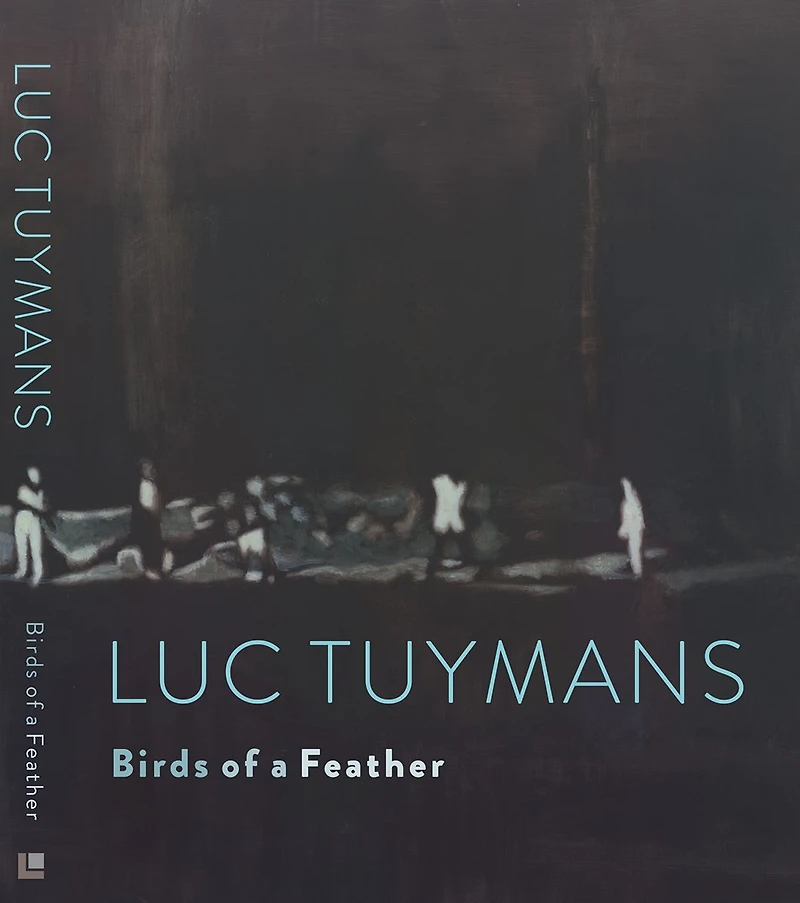
Luc Tuymans: Birds of a Feather
Barnes and Noble
Loading Inventory...
Luc Tuymans: Birds of a Feather in Bloomington, MN
By Barnes & Noble
Current price: $45.00

Luc Tuymans: Birds of a Feather in Bloomington, MN
Current price: $45.00
Loading Inventory...
Size: Hardcover
This book compiles the most recent work by Luc Tuymans (born 1958), one of Belgium’s most eminent painters. Accompanying a 2015 exhibition, Luc Tuymans: Birds of a Feather, it shows the artist’s fascination with the Scottish Enlightenment and its thinkers, who believed in the ability of humans to shape their future rationally and whose influence extended as far as the US. Stimulated by a visit to the art collection of the University of Edinburgh, Tuymans created three small portraits of Scottish philosophers, originally painted by the 18th-century portrait artist Henry Raeburn. The theme of the Enlightenment is combined with menacing horror, such as in a monumental dark work, “The Shore,” which alludes to Goya’s pinturas negras, or in the portrait of the murderer and cannibal Issei Sagawa. Acclaimed British novelist Will Self provides a remarkable short story for the publication, while art critic Colin Chinnery contributes an explanatory essay.
This book compiles the most recent work by Luc Tuymans (born 1958), one of Belgium’s most eminent painters. Accompanying a 2015 exhibition, Luc Tuymans: Birds of a Feather, it shows the artist’s fascination with the Scottish Enlightenment and its thinkers, who believed in the ability of humans to shape their future rationally and whose influence extended as far as the US. Stimulated by a visit to the art collection of the University of Edinburgh, Tuymans created three small portraits of Scottish philosophers, originally painted by the 18th-century portrait artist Henry Raeburn. The theme of the Enlightenment is combined with menacing horror, such as in a monumental dark work, “The Shore,” which alludes to Goya’s pinturas negras, or in the portrait of the murderer and cannibal Issei Sagawa. Acclaimed British novelist Will Self provides a remarkable short story for the publication, while art critic Colin Chinnery contributes an explanatory essay.
Shop Similar Products











Find at Mall of America® in Bloomington, MN
Visit at Mall of America® in Bloomington, MN