


Home
Literature and the Law in South Africa, 1910-2010: The Long Walk to Artistic Freedom
Barnes and Noble
Loading Inventory...
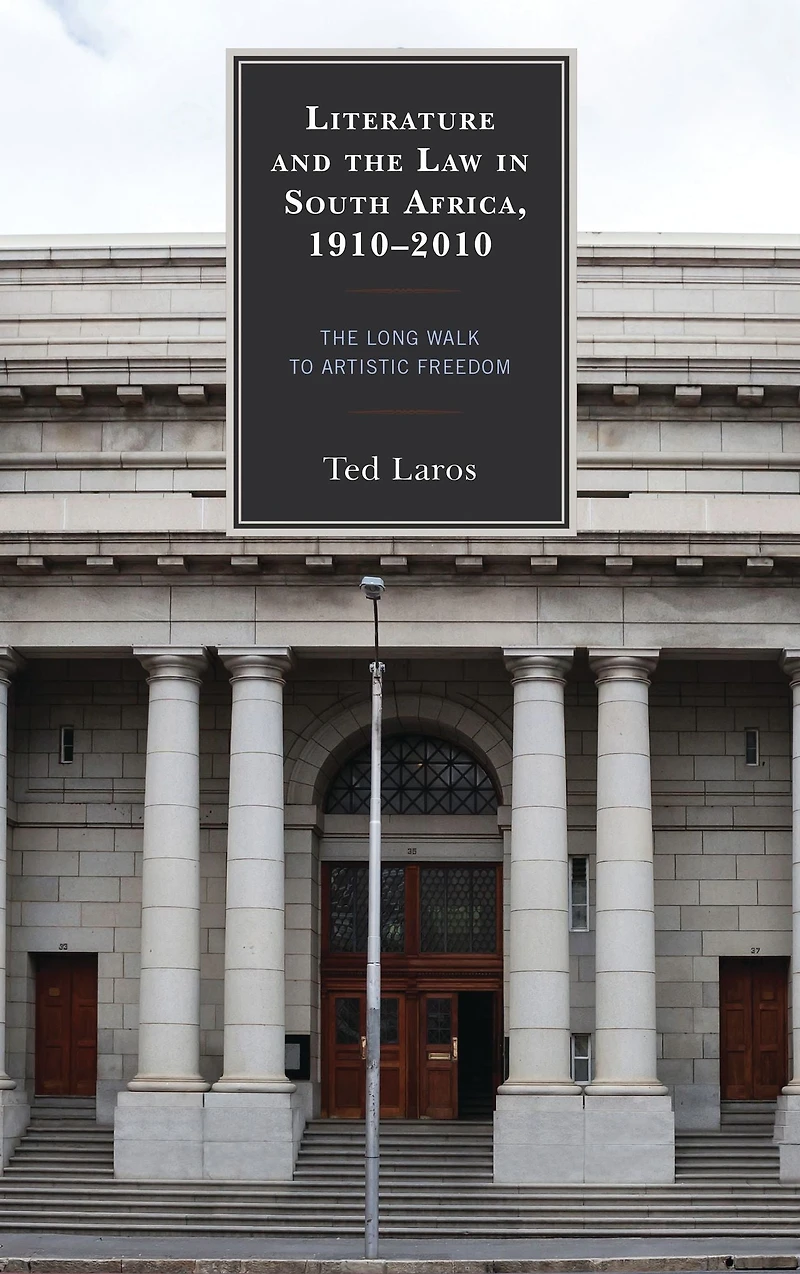
Literature and the Law in South Africa, 1910-2010: The Long Walk to Artistic Freedom in Bloomington, MN
By Barnes & Noble
Current price: $99.00

Literature and the Law in South Africa, 1910-2010: The Long Walk to Artistic Freedom in Bloomington, MN
Current price: $99.00
Loading Inventory...
Size: EBook
In 1994, artistic freedom pertaining inter alia to literature was enshrined in the South African Constitution. Clearly, the establishment of this right was long overdue compared to other nations within the Commonwealth. Indeed, the legal framework and practices regarding the regulation of literature that were introduced following the nation’s transition to a non-racial democracy seemed to form a decisive turning point in the history of South African censorship of literature. This study employs a historical sociological point of view to describe how the nation’s emerging literary field helped pave the way for the constitutional entrenchment of this right in 1994. On the basis of institutional and poetological analyses of all the legal trials concerning literature that were held in South Africa during the period 1910–2010, it describes how the battles fought in and around the courts between literary, judicial and executive elites eventually led to a constitutional exceptio artis for literature. As the South African judiciary displayed an ongoing orientation towards both English and American law in this period, the analyses are firmly placed in the context of developments occurring concurrently in these two legal systems.
In 1994, artistic freedom pertaining inter alia to literature was enshrined in the South African Constitution. Clearly, the establishment of this right was long overdue compared to other nations within the Commonwealth. Indeed, the legal framework and practices regarding the regulation of literature that were introduced following the nation’s transition to a non-racial democracy seemed to form a decisive turning point in the history of South African censorship of literature. This study employs a historical sociological point of view to describe how the nation’s emerging literary field helped pave the way for the constitutional entrenchment of this right in 1994. On the basis of institutional and poetological analyses of all the legal trials concerning literature that were held in South Africa during the period 1910–2010, it describes how the battles fought in and around the courts between literary, judicial and executive elites eventually led to a constitutional exceptio artis for literature. As the South African judiciary displayed an ongoing orientation towards both English and American law in this period, the analyses are firmly placed in the context of developments occurring concurrently in these two legal systems.
Shop Similar Products









Find at Mall of America® in Bloomington, MN
Visit at Mall of America® in Bloomington, MN