


Home
Life Without Degrees of Moral Status: Implications for Rabbits, Robots, and the Rest Us
Barnes and Noble
Loading Inventory...
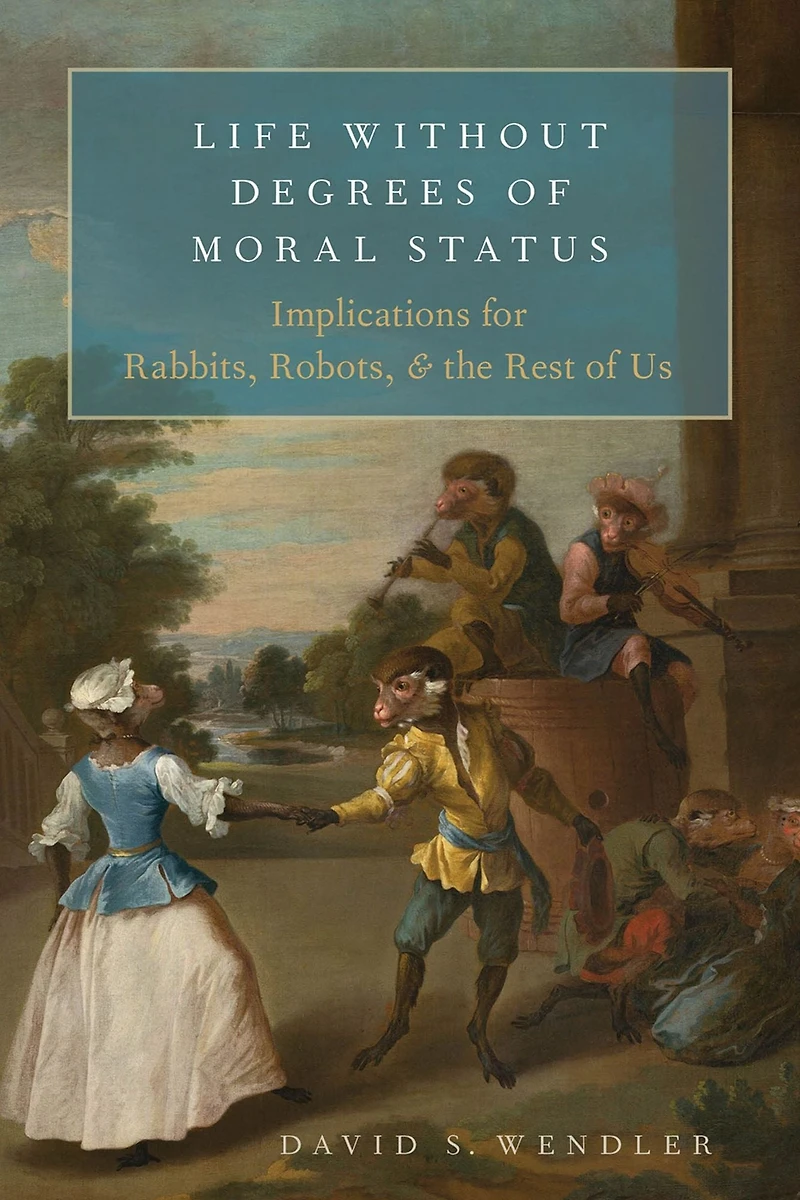
Life Without Degrees of Moral Status: Implications for Rabbits, Robots, and the Rest Us in Bloomington, MN
By Barnes & Noble
Current price: $78.99

Life Without Degrees of Moral Status: Implications for Rabbits, Robots, and the Rest Us in Bloomington, MN
Current price: $78.99
Loading Inventory...
Size: EBook
Most people believe there are degrees of moral status. They believe animals matter morally, but human beings matter significantly more than animals. This belief, which is supported by important intuitions, fundamentally shapes our lives. It places us at the center of the moral universe, and it explains why we treat animals so differently from humans: why we put them in cages, conduct pain-inducing experiments on them, and eat them for dinner. However, the belief that there are degrees of moral status also raises the possibility that robots and genetically enhanced human beings could become significantly more important than the rest of us, in which case, they might be justified in putting us in cages, experimenting on us, and eating us for dinner. Despite the importance of these issues, there have been no systematic assessments of whether, in fact, there are degrees of moral status: Are some individuals more important morally than others? The goal of this book is to answer this vital question. Degrees of moral status require moral status enhancing properties. However, David S Wendler argues that there are no moral status enhancing properties, and thus, no degrees of moral status. What implications does this conclusion have for how we should treat animals, whether it is acceptable to experiment on them and eat them for dinner? What implications does it have for how future advanced robots and genetically enhanced human beings ought to treat us? Would it be acceptable for them to conduct experiments on us, or eat us for dinner? Wendler's book addresses these and related questions.
Most people believe there are degrees of moral status. They believe animals matter morally, but human beings matter significantly more than animals. This belief, which is supported by important intuitions, fundamentally shapes our lives. It places us at the center of the moral universe, and it explains why we treat animals so differently from humans: why we put them in cages, conduct pain-inducing experiments on them, and eat them for dinner. However, the belief that there are degrees of moral status also raises the possibility that robots and genetically enhanced human beings could become significantly more important than the rest of us, in which case, they might be justified in putting us in cages, experimenting on us, and eating us for dinner. Despite the importance of these issues, there have been no systematic assessments of whether, in fact, there are degrees of moral status: Are some individuals more important morally than others? The goal of this book is to answer this vital question. Degrees of moral status require moral status enhancing properties. However, David S Wendler argues that there are no moral status enhancing properties, and thus, no degrees of moral status. What implications does this conclusion have for how we should treat animals, whether it is acceptable to experiment on them and eat them for dinner? What implications does it have for how future advanced robots and genetically enhanced human beings ought to treat us? Would it be acceptable for them to conduct experiments on us, or eat us for dinner? Wendler's book addresses these and related questions.
Shop Similar Products















Find at Mall of America® in Bloomington, MN
Visit at Mall of America® in Bloomington, MN